
Zen 6 CPUs may match Intel Nova Lake with 288 MB cache

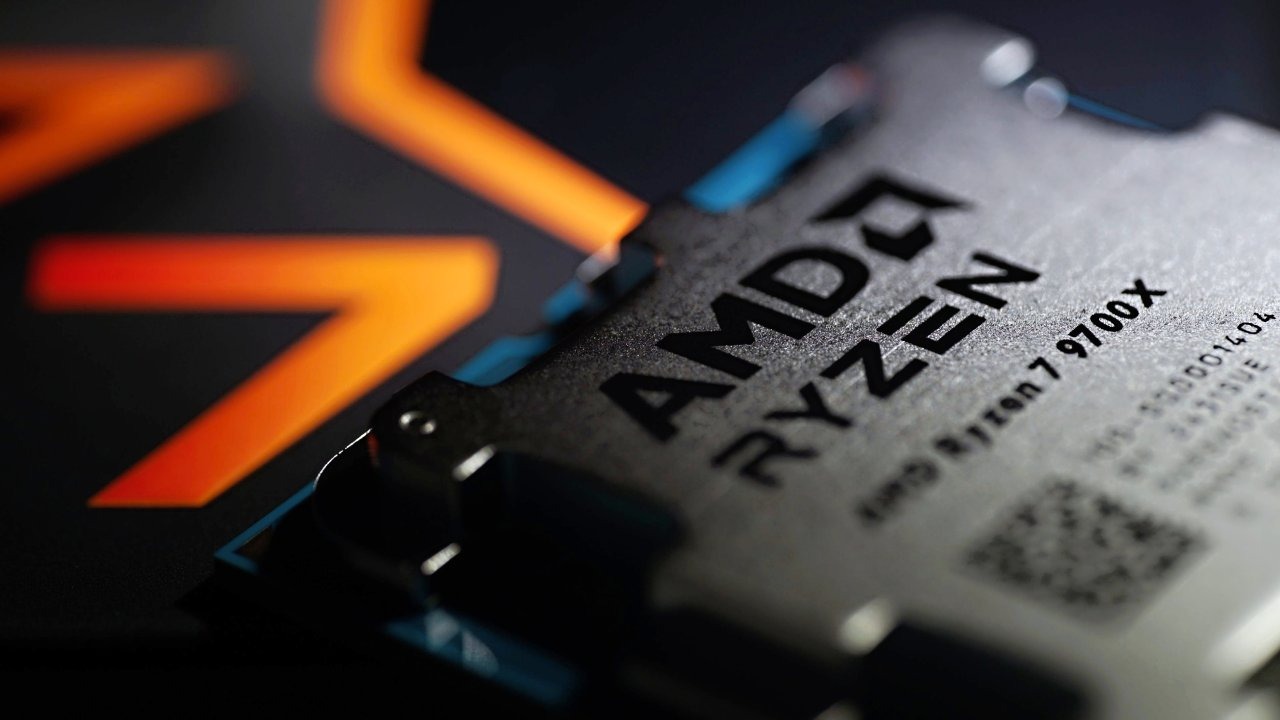
The gaming processor showdown between AMD and Intel is heating up. Leaks now suggest AMD’s Zen 6 CPUs could feature a staggering 288 MB of 3D V-Cache matching Intel’s reported cache boost in Nova Lake chips.
Zen 6 CPUs take a huge 3D V-Cache leap
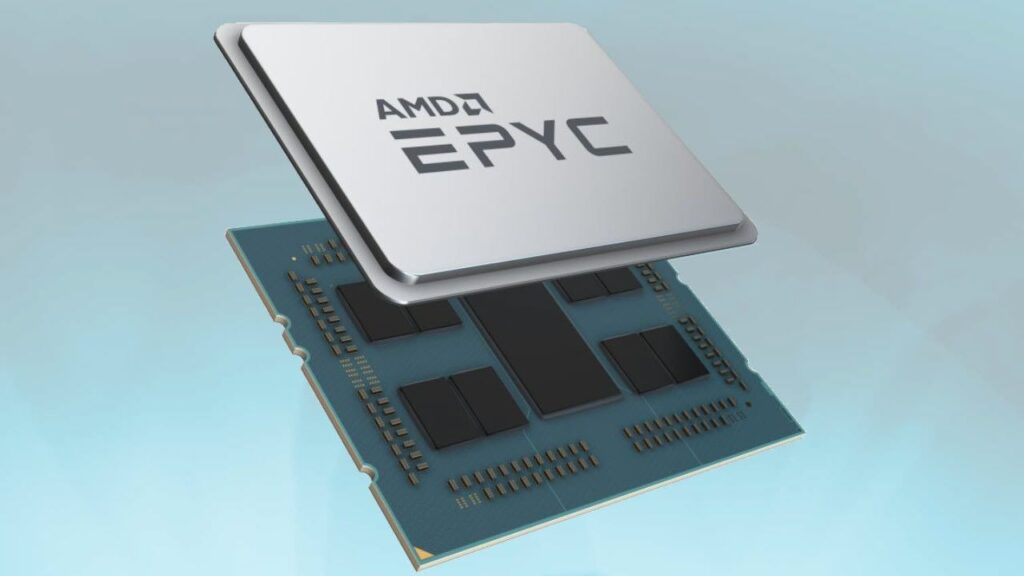
AMD’s current 3D V-Cache limit sits at 64 MB, seen in chips like the Ryzen 9 9950X3D. That figure already delivers a notable jump in gaming performance. But things are about to escalate. A new leak points to Zen 6 processors pushing that number to 144 MB per die. And in some configurations, AMD could stack two of these, resulting in 288 MB of L3 cache.
That level of cache would put AMD’s next-gen chips on par with Intel’s Nova Lake, where desktop models like the NVL-S are also rumored to carry dual-bLLC setups totaling 288 MB.
ROG G1000 brings AniMe Matrix vibes to the desktop
Intel Nova Lake fights back with bLLC
Intel’s response to AMD’s 3D V-Cache has arrived in the form of bLLC, or “big Last Level Cache.” While Intel hasn’t officially detailed the specs, insiders suggest that Nova Lake CPUs will lean heavily on this feature to compete in high-end gaming.
It’s not just about cache size, though. Intel and AMD are both working on IPC improvements, expected to surpass 10% per core. That could tip the scale when real-world benchmarks finally land.
What makes this gaming battle different
More cache isn’t always better, but for gaming, it often is. Games thrive on fast, frequent access to data, especially at high frame rates. With 288 MB of L3 cache on tap, both Zen 6 and Nova Lake could avoid memory bottlenecks that typically limit performance.
Here’s what we know so far:
- AMD Zen 6 may pack 144 MB per 3D V-Cache die
- Dual-die SKUs could hit 288 MB of L3 cache
- Intel Nova Lake reportedly matches that with dual-bLLC
- Both chips target major IPC gains
- Pricing may jump due to high-end cache configurations
Cache isn’t cheap, but it’s deadly
These beefed-up CPUs won’t come cheap. Extra L3 cache isn’t just performance fuel, it’s a cost multiplier. Still, for high-refresh gaming and competitive performance, enthusiasts will likely pay the premium.
The real winner won’t be crowned until benchmarks roll out. But this much is clear: cache is back in style, and both Intel and AMD are betting big on it.
Your comment has been submitted,
it will be published after approval.