
Microsoft Increases Prices Due to RAM Costs

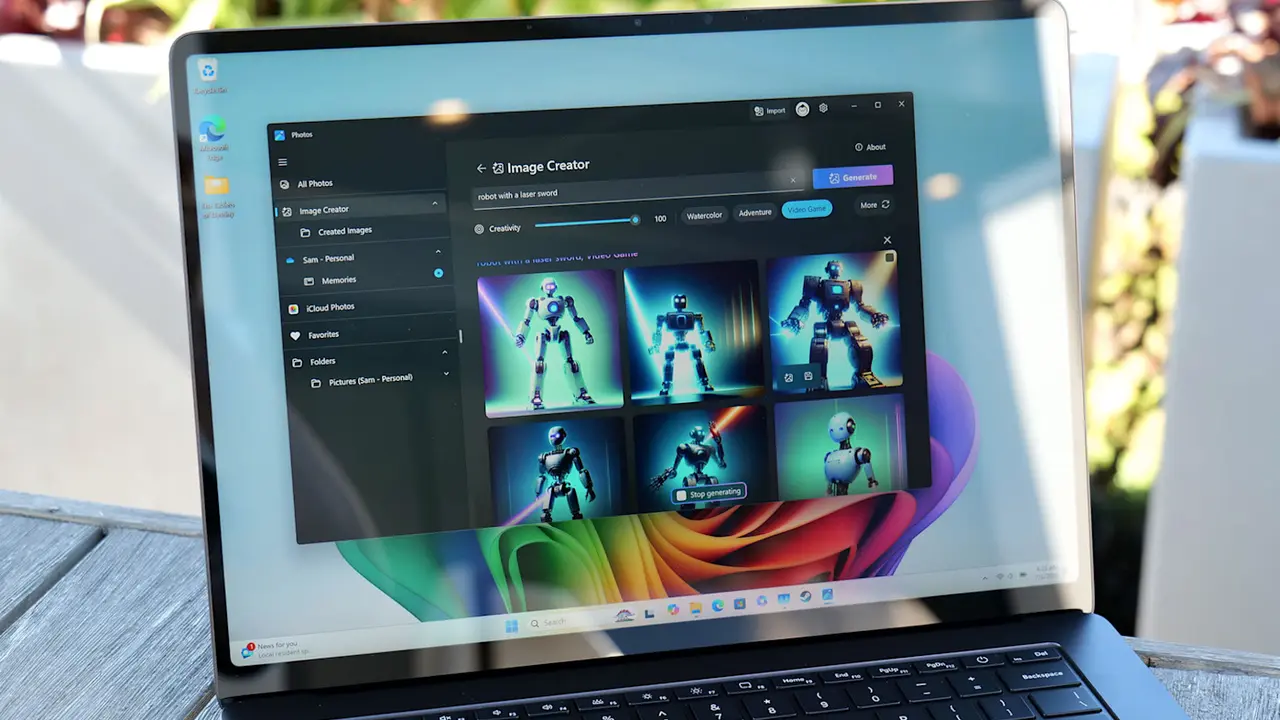
Tech giant Microsoft has announced substantial price increases across its entire Surface product line, citing the rising hardware demands of artificial intelligence technologies and escalating RAM costs. According to information shared by Windows Central, the updated price list has gone active on the official Microsoft Store, with other retailers expected to reflect these hikes in their labels shortly. Prices, which have been rising gradually since 2024, have reached levels that will strain consumer budgets, particularly in the Surface Laptop 7 and Surface Pro series. The company officially confirmed that this decision stems from cost pressures in the global component supply chain.
-
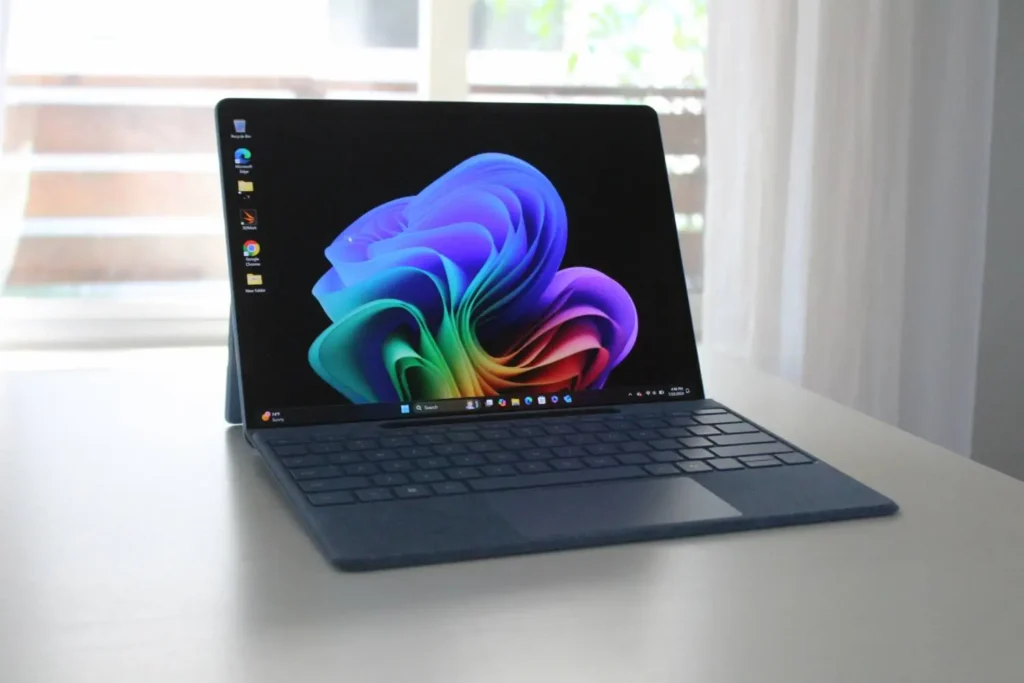
Microsoft increased the starting prices of Surface Laptop 7 and Surface Pro models by between $100 and $500.
-
The company cited high memory costs required by generative AI as the primary reason for the price hikes.
-
The top-tier Surface Laptop 7 model, priced at $3,650, has surpassed its rival, the MacBook Pro, in terms of cost.
-
Industry analyses predict that the rise in RAM and SSD prices will continue to affect other technology manufacturers.
The price increases in Microsoft’s Surface series are seen as part of a process dubbed the “RAMpocalypse” in the hardware world. Specifically, the starting price of the 15-inch Surface Laptop 7 has climbed from its 2024 launch price of $1,300 to $1,600 as of today. This increase demonstrates once again how rapidly hardware costs can change in the tech world.
Microsoft directly links the rise in hardware prices to AI’s hunger for RAM.
Component Costs Directly Affect Consumer Prices
In an official statement, the company noted that the price updates in the current-generation hardware portfolio result from the increase in costs for memory and other critical components. The high RAM capacity required to run generative AI models is disrupting the supply-demand balance in the global market, causing prices to move upward. This situation is forcing not only Microsoft but many other industry giants to make similar decisions.
For example, a top-tier Laptop 7 equipped with a Snapdragon X Elite processor and 64 GB of RAM is currently finding buyers at $3,650. Notably, this figure is approximately $350 more expensive than Apple’s MacBook Pro model with an M5 Pro processor and similar specs. The fact that a device lagging behind the M5 Pro in performance tests is being sold at a higher price is shaking the competitive balance in the hardware market.
The $500 increase in the Surface Pro series marks one of the largest hikes in the last two years.
Other Tech Giants Are Taking Similar Steps
Microsoft is not the only company affected by the cost crisis. Motorola has increased prices for its budget-friendly Moto G series, while Samsung appears to have set higher price tags for its new foldable phone, the Galaxy Z Fold 7. Even gaming giant Sony was forced to raise PlayStation 5 prices, citing global economic pressures.
Industry representatives state that the RAM shortage is affecting not only computers and phones but also portable gaming consoles. There are reports of difficulties in the production processes of Valve’s popular Steam Deck, with rumors that the release of new models could be pushed to 2027 due to these costs. The rise in SSD and HDD prices is also making data storage costs challenging for both businesses and end-users.
Do you think these additional costs brought by AI will become a permanent part of the hardware world? Share your views with us in the comments.
Your comment has been submitted,
it will be published after approval.