
Google Announces New Android Sideloading and Developer Verification Schedule

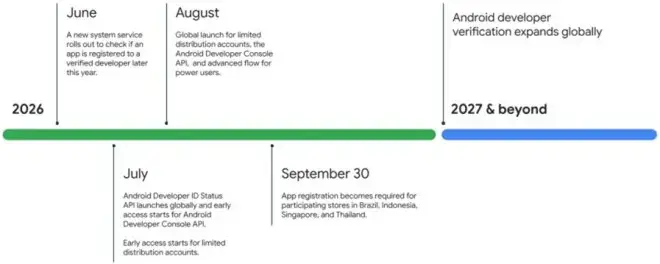
Google has officially unveiled a comprehensive security roadmap aimed at tightening Android sideloading procedures to bolster ecosystem safety. Starting September 30, the tech giant will implement mandatory developer verification requirements across four pilot nations: Brazil, Indonesia, Singapore, and Thailand. By requiring developers to authenticate their identities, Google intends to mitigate the risks associated with third-party application installations. This initiative represents a significant shift in how the Android platform manages unverified software, with plans to scale these verification protocols globally by 2027. The move aims to protect users from malicious actors while maintaining the open nature of the Android operating system.
- Google is implementing stricter verification requirements for developers distributing apps outside the Play Store.
- The new security protocols will debut in four pilot countries on September 30.
- A limited distribution account tier allows hobbyists and students to share apps with up to 20 devices without formal identification.
- The company plans to complete the global rollout of these security measures by 2027.

Developer Verification Processes Begin Gradually
To facilitate a smooth transition, Google is initiating an intensive preparation phase throughout the summer months. In July, the company will launch the Android Developer ID Status API, which will serve as the backbone for the new registration systems. Recognizing the needs of the developer community, Google is introducing ‘limited distribution accounts.’ These accounts are specifically designed for students and independent developers who wish to share their creations with a small circle of up to 20 users without undergoing the full, potentially costly, government-backed identity verification process.
These enhanced security standards mark a pivotal turning point for the integrity of the entire Android ecosystem.
System Security Protocols Update in August
As the summer progresses, August will serve as a critical period for scaling the technical infrastructure. Google is set to activate the limited distribution accounts on a global level while simultaneously deploying an upgraded version of the Android Developer Console API. These updates are intended to provide a more sophisticated and secure flow for users who engage in sideloading, ensuring that even when obtaining apps from non-official sources, the underlying security checks are robust and transparent.
New Regulations Take Effect Regionally in September
The deadline of September 30 stands as a significant milestone for the Android security landscape. Developers and users in the pilot regions—Brazil, Indonesia, Singapore, and Thailand—must comply with the new mandatory verification requirements. Notably, this mandate extends to major third-party platforms such as the Samsung Galaxy Store, Xiaomi GetApps, and the Oppo App Market. These entities are now obligated to integrate Google’s verification framework into their own distribution systems to ensure a unified security standard.
Advanced users will retain access to ADB and specialized installation flows even after the new regulations commence.
Global Expansion Plans Conclude by 2027
Following the pilot phase, Google plans to conduct a thorough analysis of feedback from developers and users alike. This data-driven approach will guide the subsequent rollout of these standards to the rest of the world, with a target completion date set for 2027. By providing this extended timeline, Google hopes to give the development community ample opportunity to adapt their practices. Consistent compliance with these new verification steps will be essential for developers to ensure the continued and seamless distribution of their applications across the platform.
How do you feel about Google’s decision to enforce stricter security checks on Android sideloading? Do you believe these measures will effectively protect the ecosystem, or do you view them as an unnecessary restriction on user freedom? Share your thoughts in the comments section below.
Your comment has been submitted,
it will be published after approval.