
Qualcomm Delays Snapdragon X3 to Refresh Snapdragon X2 Lineup

Qualcomm has officially decided to postpone the launch of its highly anticipated next-generation Snapdragon X3 processor series to address ongoing global supply chain constraints. Instead of moving forward with the X3 launch, the tech giant is shifting its focus to an extensive refresh of the current Snapdragon X2 lineup, which is expected to roll out throughout the latter half of 2026. By optimizing the existing Mahua, Glymur, and Kalambo chip architectures, Qualcomm aims to improve clock speeds and overall performance efficiency. This strategic move is designed to safeguard the company’s market share while navigating the persistent challenges associated with memory and storage unit shortages currently impacting the hardware industry.
- Qualcomm has opted to delay the release of its next-generation Snapdragon X3 processors in favor of an X2 series refresh.
- The refreshed lineup utilizes three distinct chip architectures known as Mahua, Glymur, and Kalambo.
- Severe global shortages of memory and storage components have necessitated this change in the company’s product development timeline.
- Engineers are targeting performance improvements that allow for scalable configurations of up to 18 cores.
Global supply chain bottlenecks are forcing major technology firms to significantly restructure their product release roadmaps.
Refreshed Snapdragon X2 Models Offer Diverse Configurations
Leaked technical data suggests that Qualcomm is currently testing a wide array of engineering samples to finalize the refreshed series. The development process is centered on the Mahua and Kalambo architectures, which are being adapted to support various core counts, including 10 and 12-core variants. These models will also feature diverse memory configurations to better serve different segments of the market. Meanwhile, the Glymur architecture is set to retain its status as the flagship offering, receiving specific optimizations to ensure it remains a top-tier choice for power users seeking high-performance computing capabilities. 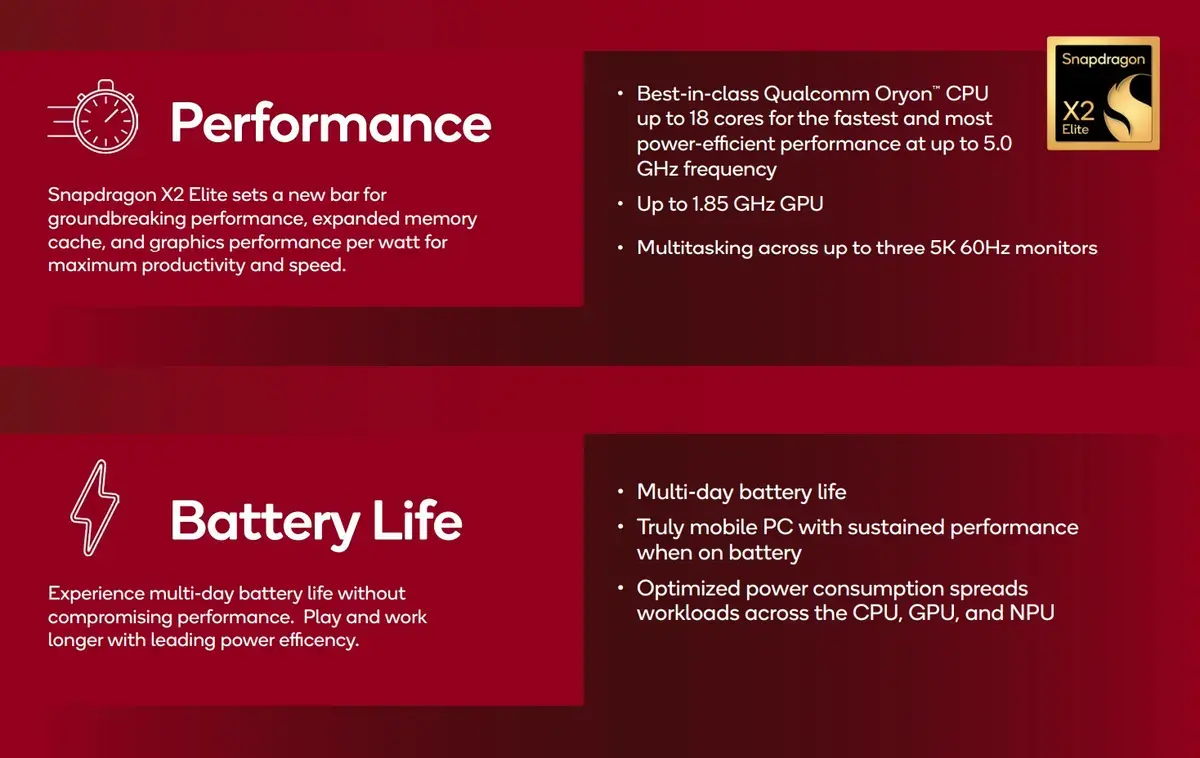
Next-Generation Processor Launches are Scheduled for 2027
The core motivation behind this strategic pivot is the anticipated stabilization of the global memory market, which analysts expect to resolve by early 2027. Qualcomm is not alone in this defensive positioning; industry rivals like Intel and AMD are similarly adjusting their portfolios. Both competitors are preparing to debut their respective Nova Lake and Medusa Point platforms in early 2027, making Qualcomm’s decision to refine its existing hardware a pragmatic move to maintain competitive relevance during this transitional period.
Qualcomm is prioritizing market stability to navigate this challenging period in the semiconductor industry.
Performance Gains are Expected Through Optimization
While the updated Snapdragon X2 series is unlikely to exceed the 18-core threshold, subtle enhancements to clock speeds are expected to yield noticeable improvements in efficiency and thermal management. These refined chips will be critical for maintaining Qualcomm’s momentum in the rapidly growing AI-enabled personal computer market. By iterating on proven architectures, the company ensures that its products remain highly capable for demanding modern workloads. The emergence of new engineering sample codenames further confirms that Qualcomm is tailoring specialized solutions for different consumer and professional segments.
How do you view Qualcomm’s decision to refresh the Snapdragon X2 series rather than rushing the X3 launch? Is this a prudent response to supply chain issues, or does it signal concern regarding competitive pressures? We invite you to share your thoughts in the comments section below.
Your comment has been submitted,
it will be published after approval.