
Nvidia and Lunar Outpost Partner for AI Moon Missions

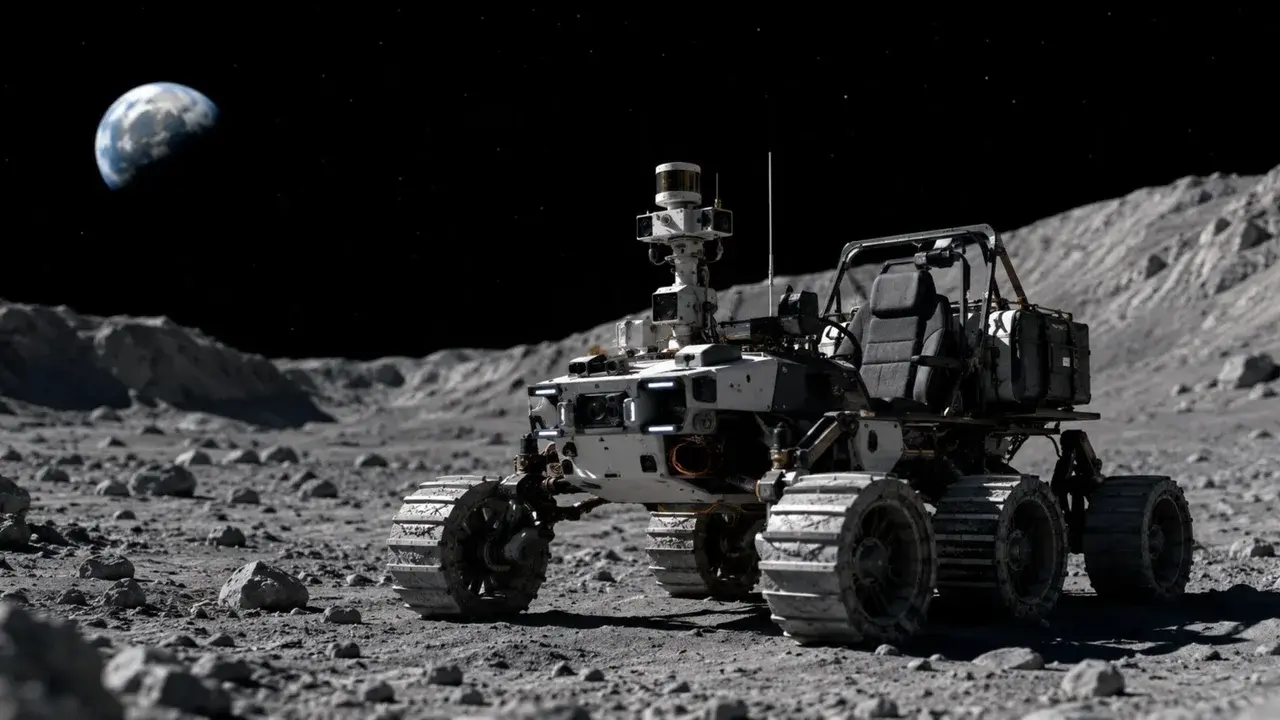
Nvidia has officially partnered with space infrastructure firm Lunar Outpost to integrate advanced edge artificial intelligence into future lunar missions. Announced recently, this strategic collaboration aims to leverage Nvidia’s Jetson platform and CUDA-X libraries to power autonomous systems for exploration beyond Earth. Starting with the Reiner Gamma mission in 2026, the initiative will utilize these AI solutions to manage complex data processing, real-time mapping, and communication tasks on the lunar surface. This integration serves as a critical component of Lunar Outpost’s contributions to NASA’s Artemis program, ensuring that robotic systems can make independent decisions in extreme environments.
- The partnership integrates Nvidia’s Jetson edge computing platform into all future Lunar Outpost exploration hardware.
- The Reiner Gamma mission, scheduled for 2026, serves as the first deployment of this AI-integrated technology.
- Lunar Outpost plans to utilize Nvidia technologies across at least 10 distinct missions by the year 2030.
Artificial intelligence will soon enable autonomous decision-making capabilities for critical lunar exploration tasks.
Reiner Gamma Mission Marks the Initial Deployment
The first significant test of this partnership is slated for the second half of 2026. The Lunar Voyage 2 rover will be the debut hardware platform featuring Nvidia’s sophisticated AI onboard. Launching aboard a SpaceX Falcon 9 rocket, the rover will rely on local edge computing to navigate the lunar terrain without requiring constant commands from Earth.
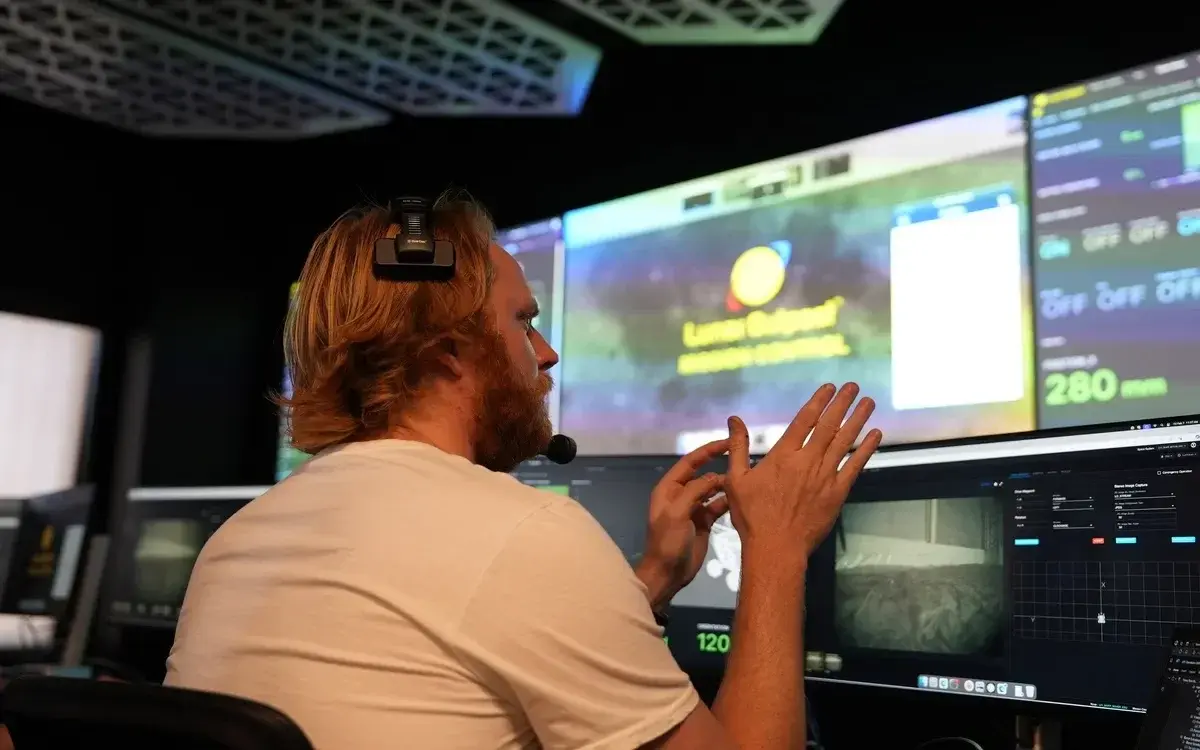
By processing data locally, the system significantly reduces the latency issues inherent in long-distance space communications. Engineers believe that real-time processing is essential for the success of future missions, as lunar exploration requires immediate responses to unpredictable surface conditions. This transition toward autonomous rovers represents a fundamental shift in how humanity approaches planetary surface investigations.
Human Presence Becomes a Primary Long-Term Goal
The collaboration extends beyond simple robotic exploration and acts as a foundation for establishing a permanent human presence on the Moon. With the deployment of the Space-1 Vera Rubin Module in future missions, Lunar Outpost aims to synchronize human and robotic operations. This module is designed to facilitate high-speed data streams, including real-time video broadcasting and terrain mapping, which are vital for supporting crewed missions.
Future lunar habitats will depend on these intelligent modules to maintain constant communication with Earth.
Industry Expertise Strengthens the Technological Foundation
Lunar Outpost brings extensive experience to this partnership, having previously collaborated with NASA and MIT on the MOXIE project, which successfully generated oxygen on the surface of Mars. The company currently works alongside automotive giants like General Motors and Goodyear to design next-generation lunar mobility vehicles. By combining this mechanical expertise with Nvidia’s computational power, the partners are creating a robust ecosystem for deep-space infrastructure.
The roadmap for this technology is ambitious, with plans covering at least 10 lunar and orbital missions by 2030. As humanity shifts its focus back to the Moon, the integration of edge computing will likely define the success of future colonization efforts. The ability to process data at the source rather than relying on Earth-bound servers is a transformative leap for space exploration technology.
As we look toward a future where autonomous machines build the foundation for human lunar bases, we want to hear your perspective. Do you believe that AI-driven robotics will be the deciding factor in the success of the Artemis program, or are the risks of autonomous space exploration still too high? Share your thoughts in the comments section below.
Your comment has been submitted,
it will be published after approval.