
Chief Engineer Emre Yaban Confirms KAAN Targets Global Air Superiority

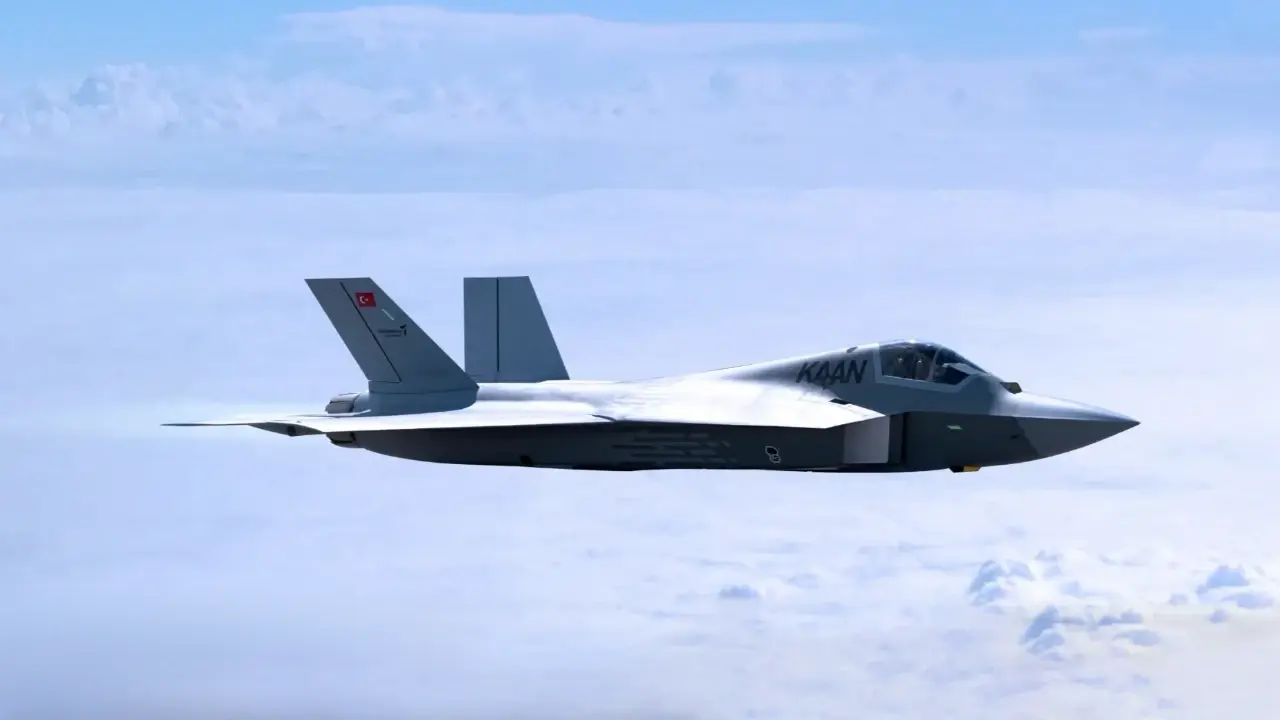
Turkey’s indigenous fifth-generation fighter jet, the KAAN, is being engineered to compete directly with the world’s most advanced aerial platforms, according to Chief Engineer Emre Yaban. During recent technical briefings, Yaban clarified that the development strategy for the KAAN goes beyond serving as a mere replacement for the current F-16 fleet. Instead, the project positions the aircraft in the same elite category as the American F-22 Raptor, the Russian Su-57 Felon, and the Chinese J-20 Mighty Dragon. By focusing on superior air-to-air combat capabilities, high-level maneuverability, and advanced stealth technology, the Turkish aerospace industry aims to secure air dominance in future contested environments.
- The KAAN fighter jet is designed to compete in the same performance league as the F-22, Su-57, and J-20 models.
- The aircraft incorporates a digital architecture that enables seamless integration with unmanned platforms like the ANKA-3.
- Engineers prioritize high-angle-of-attack control and internal weapon storage to enhance overall tactical stealth.
- The Turkish Air Force expects to receive the first series-production units between 2028 and 2029.
Engineers Prioritize Air Superiority Performance
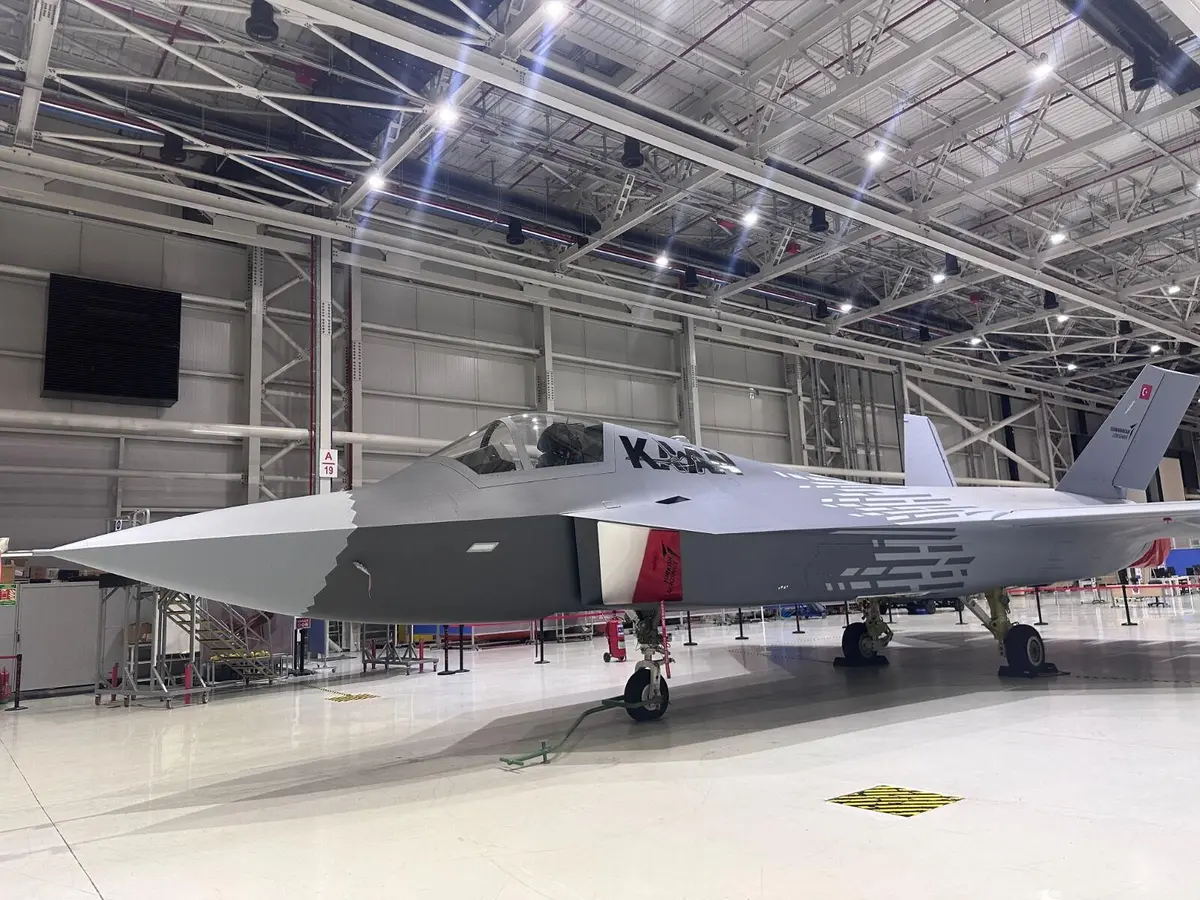
The design philosophy behind the KAAN centers on securing air superiority rather than functioning as a lightweight multi-role platform. Emre Yaban emphasized that the development team is building a heavy-class fighter capable of outperforming existing counterparts in dogfights. The aerodynamic configuration is specifically tailored for high agility, allowing for superior energy retention during complex turns and high-G maneuvers. According to the design specifications, the platform is expected to operate with flight limits reaching +9G, ensuring that pilots maintain a distinct advantage in close-quarters aerial engagements.
Stealth Capabilities Define New Design Standards
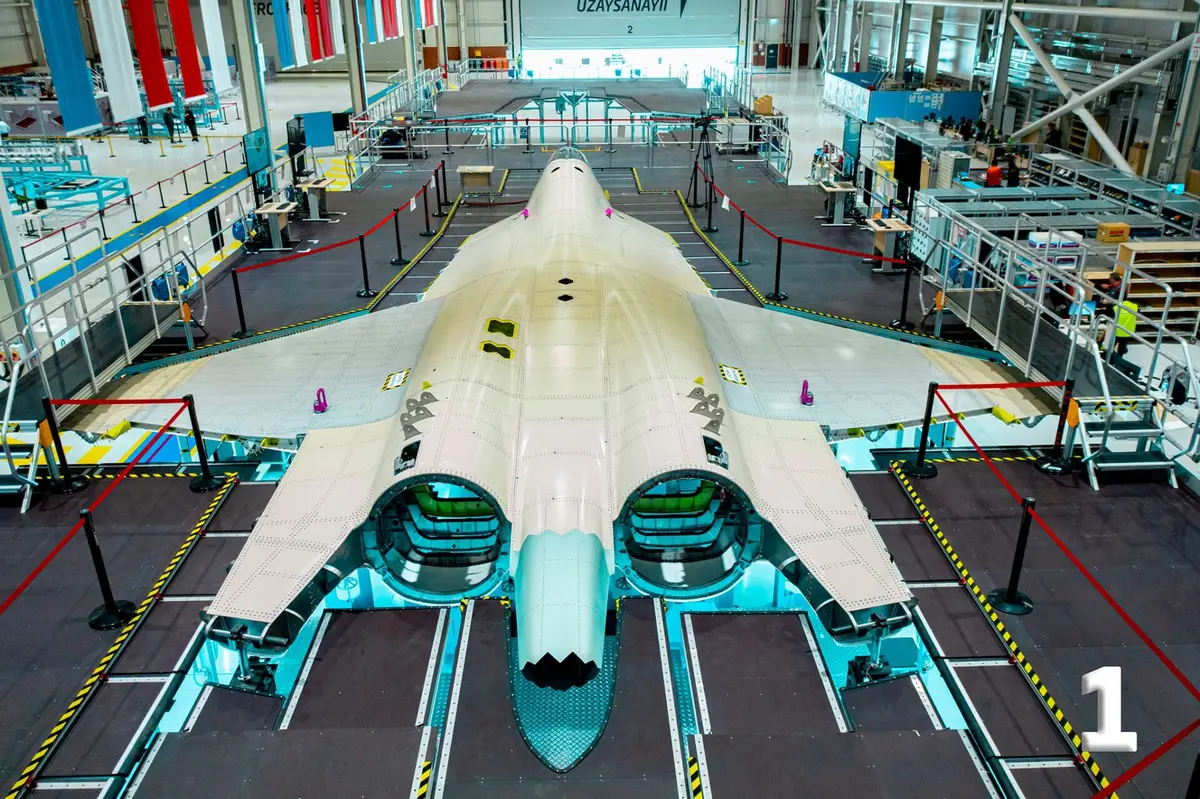 The integration of next-generation stealth technology remains a foundational pillar for the KAAN project. Yaban noted that the engineering team has gone beyond traditional designs by optimizing the airframe geometry to significantly reduce the radar cross-section. The decision to house all armaments within internal bays, rather than relying on external hardpoints, is a critical technical choice aimed at minimizing radar detectability. By utilizing advanced composite materials and sophisticated shaping techniques, the team aims to deliver a platform that remains difficult for modern radar systems to track.
Unmanned Systems Enhance Operational Flexibility
The KAAN is designed to function as the core of a larger, network-centric combat system. TUSAŞ has confirmed that the fighter will operate in a “Loyal Wingman” configuration, allowing it to command and coordinate with unmanned aerial vehicles such as the ANKA-3 and the Super Şimşek. This architecture significantly reduces the pilot’s cognitive load while increasing the reach and lethality of the mission package. By delegating reconnaissance and strike tasks to autonomous wingmen, the KAAN pilot can focus on high-level tactical decisions, maximizing the impact of the entire fleet.
Production Timelines Accelerate for Future Deployment
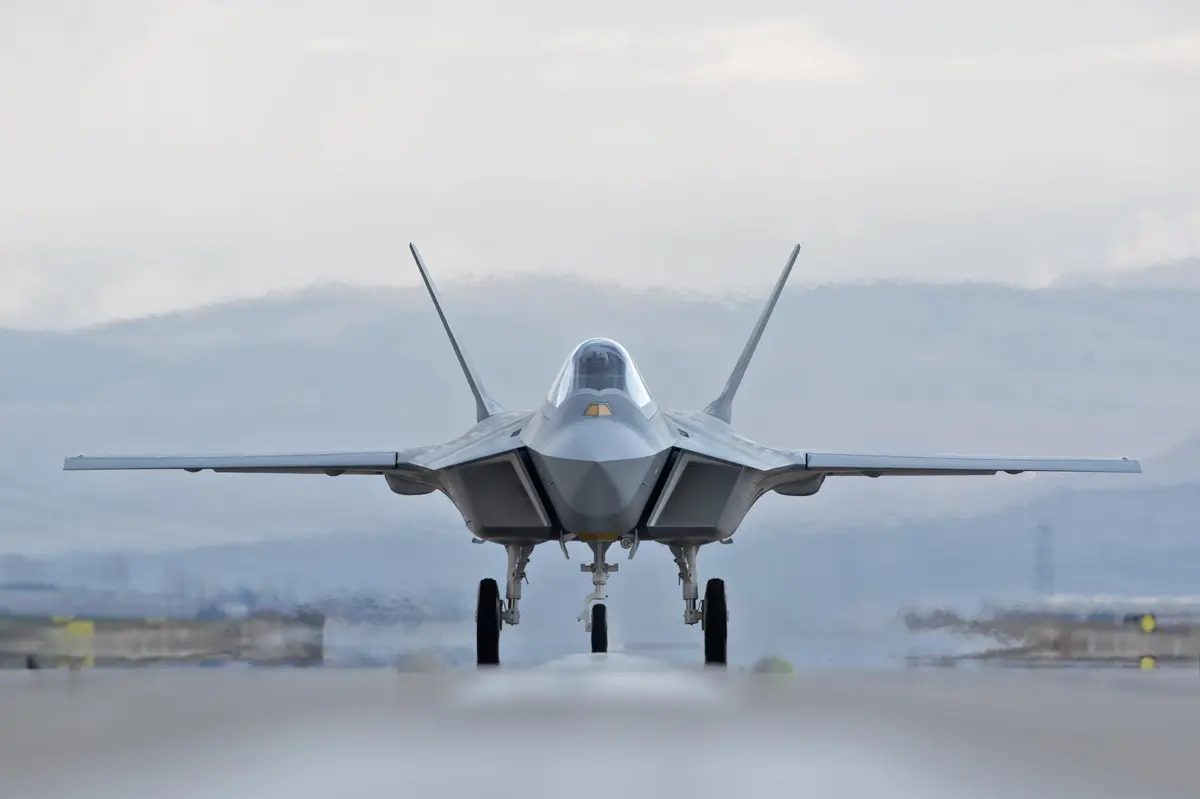
Following the successful maiden flight of the first prototype on February 21, 2024, the program has entered an accelerated development phase. Work on the second and third prototypes is currently underway, with these iterations expected to feature refined avionics and more robust structural components. The national project aims to complete rigorous testing cycles to ensure the first Block-level aircraft can be delivered to the Turkish Air Force by the 2028–2029 timeframe. As the project matures, the planned integration of the domestic TF35000 engine will further solidify the platform’s status as a top-tier global fighter.
We value your perspective on the future of Turkish aerospace engineering and the potential impact of the KAAN fighter jet on global air power; please share your thoughts and questions in the comments section below.
Your comment has been submitted,
it will be published after approval.