
New MacBook Pro Models Bring Major Design Overhaul Soon

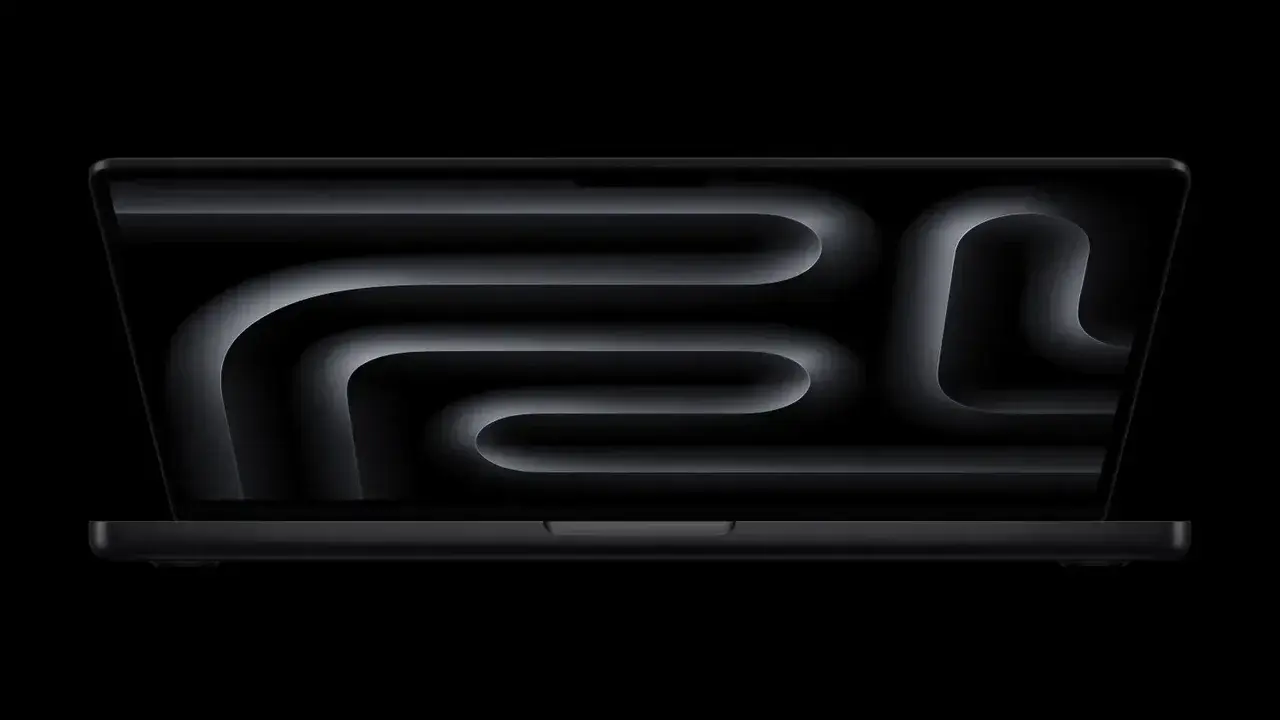
Apple is preparing to launch a significant update for its MacBook Pro lineup later this year, marking one of the most comprehensive redesigns in the history of the product. Industry reports indicate that the company plans to introduce these next-generation MacBook Pro units between October and November, featuring substantial advancements in both internal hardware and physical architecture. By integrating cutting-edge display technology and refined mobility features, Apple aims to enhance user experience and performance. This strategic refresh represents a pivotal move to maintain the MacBook Pro as a leader in the professional laptop market through hardware innovation.
- Apple will replace existing mini-LED display panels with new OLED technology to improve contrast and color accuracy.
- The upcoming MacBook Pro models will introduce touch-screen functionality to the macOS environment.
- The company intends to replace the current display notch with a Dynamic Island interface.
- Future MacBook Pro iterations will feature a thinner, more portable chassis design without compromising processing efficiency.
OLED Technology Enhances Display Performance
The most notable shift in the upcoming hardware involves the transition from mini-LED technology to OLED panels. This change is expected to provide deeper blacks and superior contrast ratios, bringing a display quality that has long been a staple of iPhone and iPad devices to the Mac ecosystem for the first time. 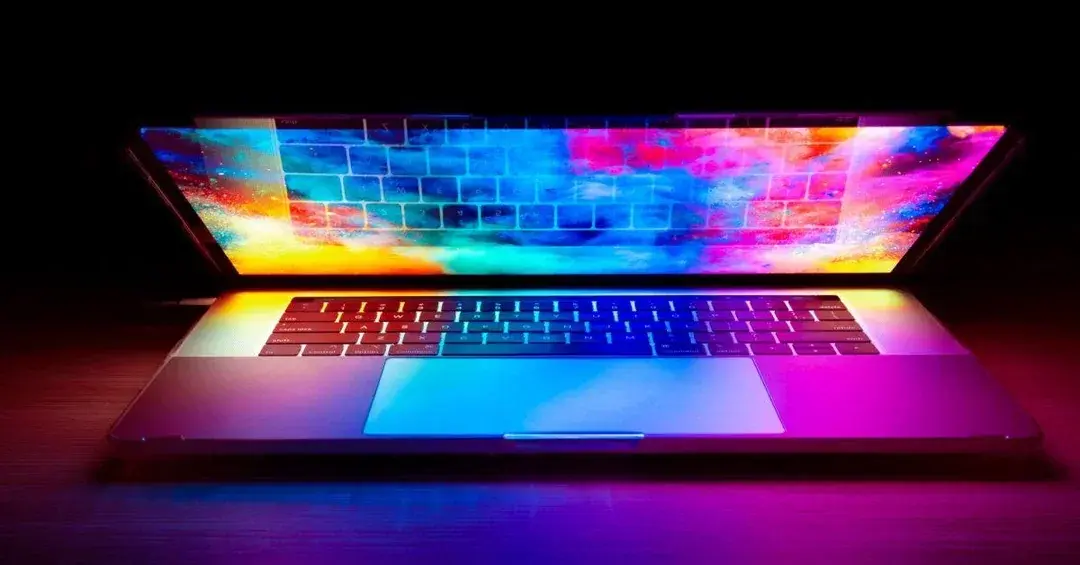
Furthermore, Apple is reportedly engineering the macOS interface to support touch-based interactions. According to reports from Bloomberg, the operating system is being adapted to respond dynamically to touch input, allowing for features such as automatic menu expansion and standard gesture support like pinch-to-zoom. This development signifies a major shift in how users interact with professional-grade workstations.
Dynamic Island Replaces the Screen Notch
In a move to streamline the visual experience, Apple plans to abandon the traditional display notch found on current models. Instead, the design will incorporate the Dynamic Island, a feature already popularized by the iPhone. This design choice uses a hole-punch camera cutout that expands to display system notifications, live activities, and alerts at the top of the screen. 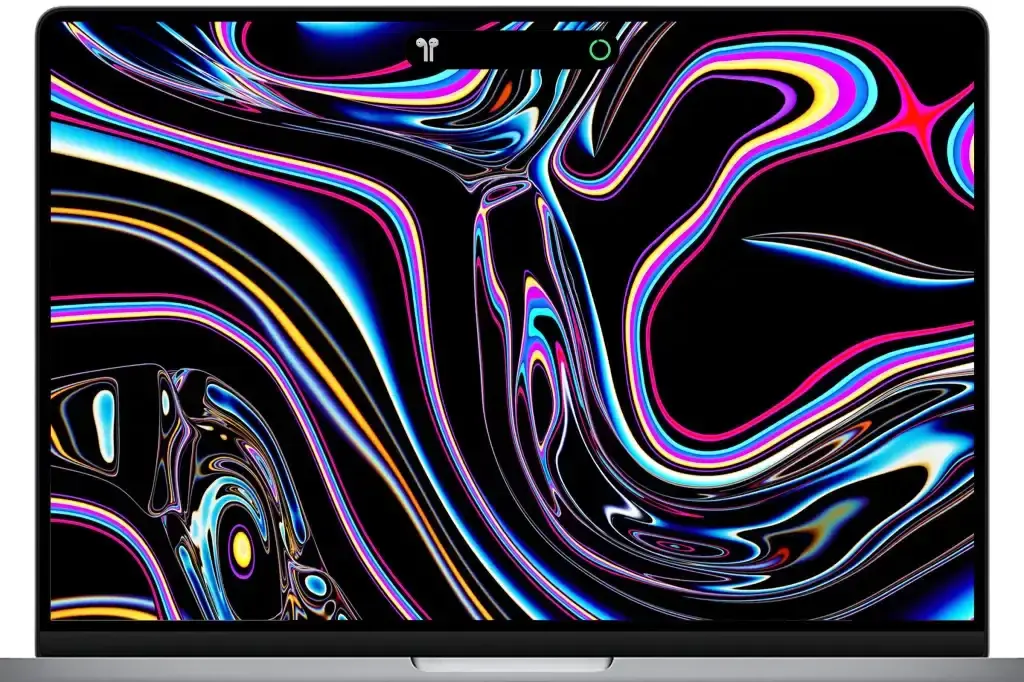
Beyond the screen, the physical construction of the laptop is undergoing a weight-reduction process. While the 2021 model introduced a slightly thicker frame, the new design will prioritize a thinner, more lightweight aesthetic. By optimizing internal component placement, Apple intends to boost portability while maintaining the high performance associated with its custom silicon architecture. 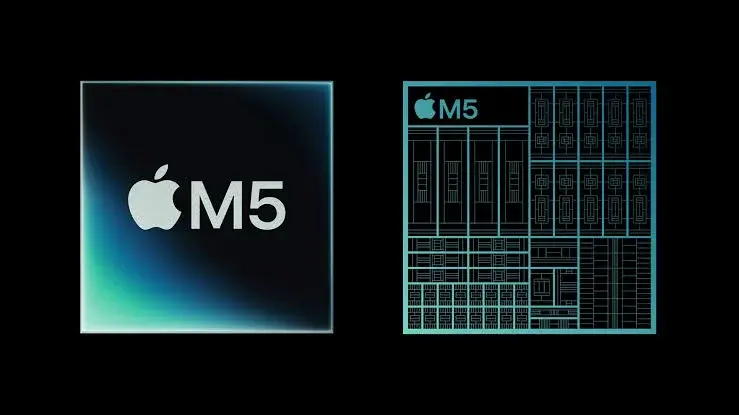
Processor Strategy Shifts Toward Future Generations
Contrary to initial speculation regarding an M6 chip launch, Apple reportedly intends to stick with the current M5 Pro and M5 Max series for these new releases. This decision suggests that the company is effectively skipping an immediate M6 iteration in favor of focusing resources on the upcoming M7 series. This strategic pivot may also pave the way for a brand-new product tier, potentially branded as the MacBook Ultra, to capture high-end market segments more effectively. As the company prepares for an unconventional second refresh within a single calendar year, anticipation continues to build among professional users and tech enthusiasts alike.
We are curious to hear your thoughts on these upcoming design changes. Do you believe the integration of touch-screen technology and the Dynamic Island will improve your daily workflow, or do you prefer the traditional laptop experience? Please share your opinions in the comments section below.
Your comment has been submitted,
it will be published after approval.