
Tesla Q3 2026 Sales Data Defy Analyst Expectations Despite Challenges

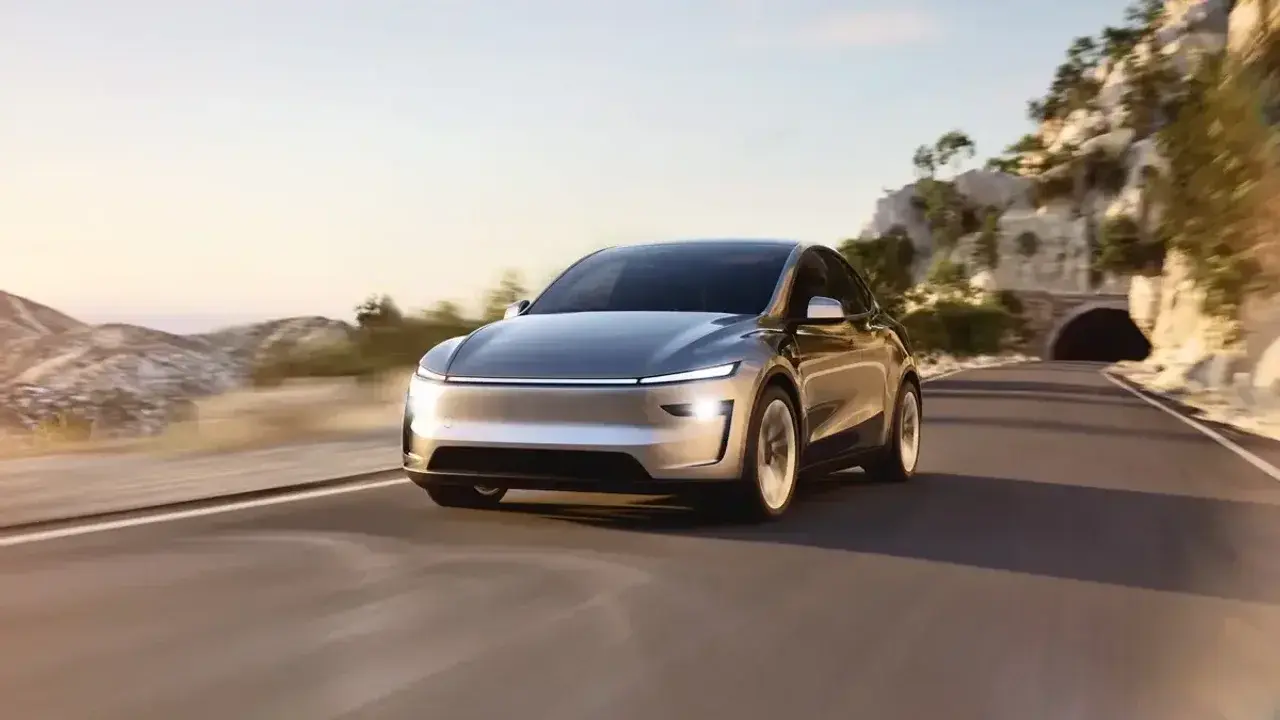
Tesla has officially released its highly anticipated delivery figures for the third quarter of 2026, revealing that the company successfully surpassed pessimistic Wall Street forecasts. Despite a challenging global economic climate and the expiration of federal tax credits in the United States, Tesla reported a total of 486,532 vehicle deliveries. This performance effectively highlights the brand’s resilience in a volatile automotive market. While the results represent a 2.1 percent decrease compared to the same period last year, they mark a 1.3 percent improvement over the second quarter of 2026, proving that Tesla maintains a strong competitive edge.
- Tesla delivered 486,532 vehicles in the third quarter of 2026, exceeding market expectations by over 24,000 units.
- Model 3 and Model Y vehicles accounted for 98 percent of the total quarterly delivery volume.
- Sales of legacy and niche models, including the Cybertruck, declined by 48 percent compared to the previous year.
- The company successfully managed production levels by delivering more vehicles than the 464,391 units manufactured during the period.
Tesla Surpasses Market Expectations Through Operational Efficiency
The company’s ability to outperform analyst predictions is largely attributed to optimized production lines and efficient stock management. By delivering 486,532 units while producing 464,391 vehicles, Tesla demonstrated logistical strength, avoiding the need for aggressive price cuts to clear inventory. This operational success comes as the company continues to navigate a landscape where consumer demand for electric vehicles is increasingly influenced by fluctuating global oil prices and a broader shift away from internal combustion engines.
Recent reports also indicate that Tesla has secured a 26 billion euro credit facility, which is expected to support future expansion efforts. This financial cushion provides the company with the flexibility needed to sustain its growth initiatives even in periods of economic instability. As traditional drivers continue to transition toward electric mobility, Tesla aims to capitalize on this behavioral shift by refining its manufacturing processes and enhancing product accessibility.
Model 3 and Model Y Dominate the Current Sales Portfolio
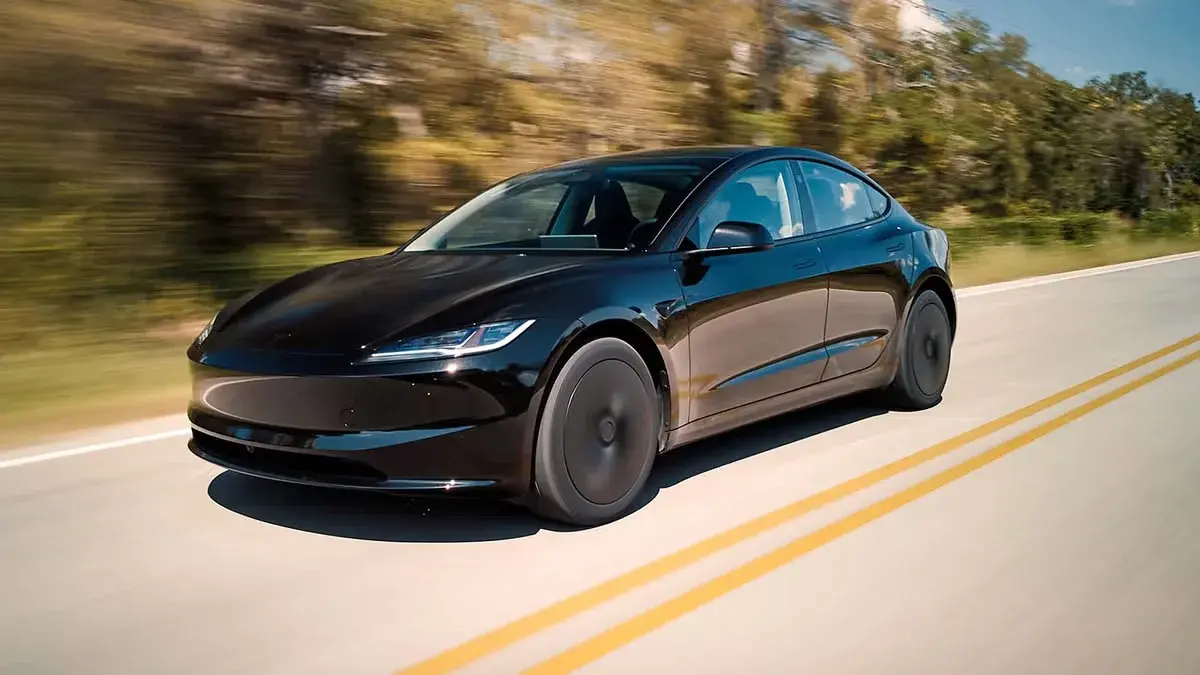
A closer look at the delivery data reveals that Tesla’s revenue is heavily concentrated on its two mass-market models. The Model 3 and Model Y combined for 478,237 deliveries, maintaining their status as the cornerstone of the brand’s success. The updated Model 3 Highland, in particular, continues to attract significant consumer interest due to its improved driving dynamics and refreshed design language.

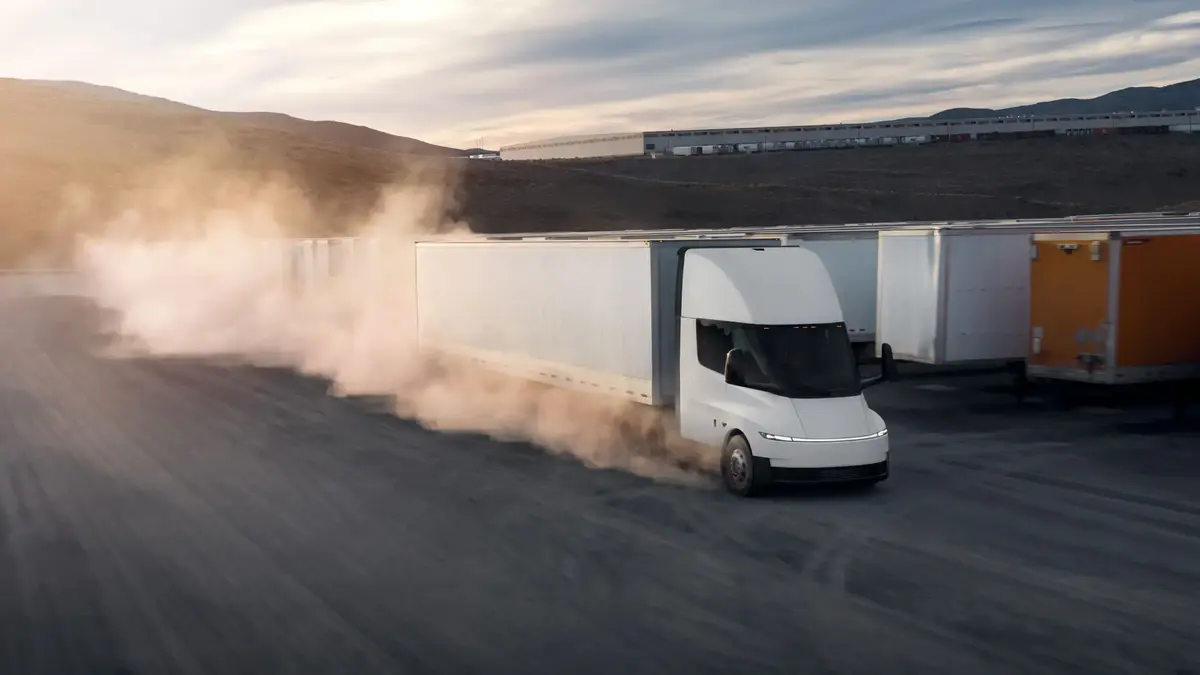
However, the performance of the “Other Models” category presents a concerning trend for the automaker. This segment, which previously included the premium Model S and Model X, is now primarily comprised of the Semi truck and the Cybertruck. Deliveries for this category plummeted by 48 percent to just 8,295 units. The Cybertruck, despite its bold stainless steel design and high anticipation, has struggled to reach the sales volumes necessary to significantly impact Tesla’s broader market share.
As electric vehicles become increasingly standardized globally, Tesla’s reliance on a limited product range may present long-term strategic risks. While the company remains a leader in the EV sector, diversifying its lineup will be crucial for maintaining momentum in a market that demands variety and innovation.
Given the current shift in consumer preferences and the decline in secondary model performance, we are curious about your perspective on Tesla’s product strategy. Do you believe the company’s heavy reliance on the Model 3 and Model Y could hinder its growth in the coming years, or is this a calculated move for maximum efficiency? Share your thoughts in the comments section below.
Your comment has been submitted,
it will be published after approval.