
Intel-Powered Surface Laptop 15 Outperforms ARM Competitors

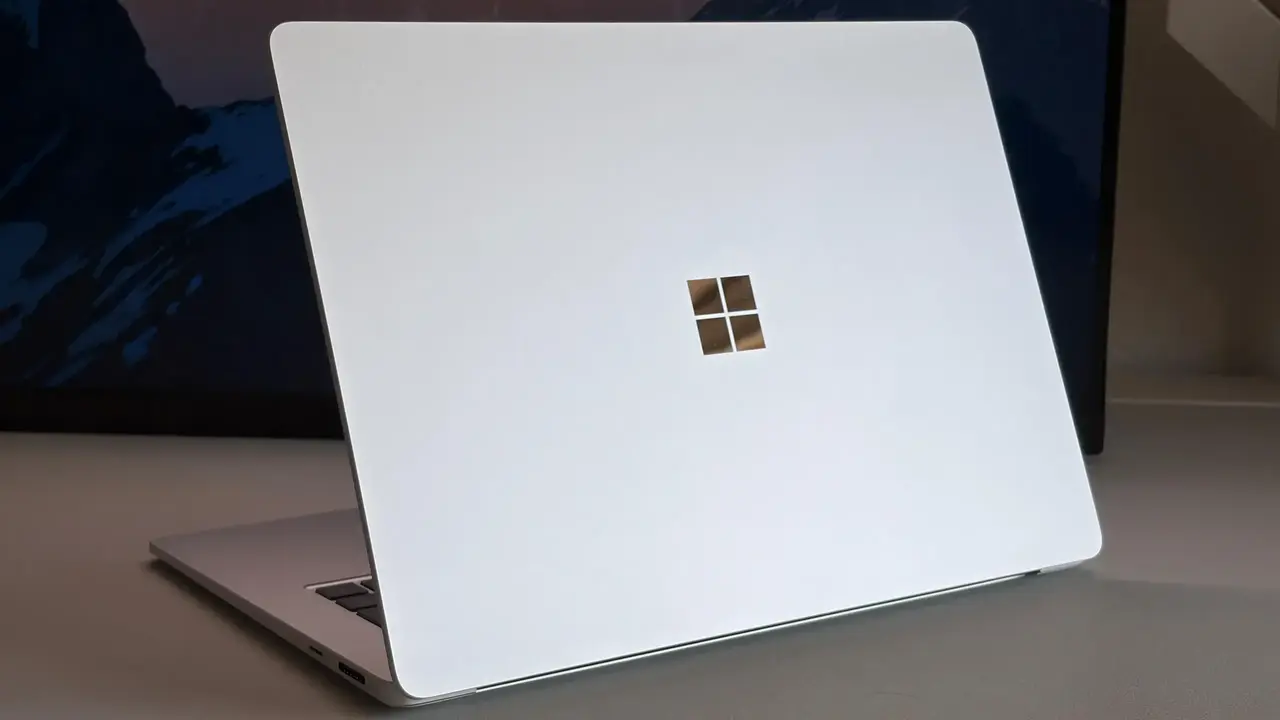
Microsoft’s latest enterprise-focused release, the Surface Laptop 15 Gen 8, is challenging the narrative that ARM architecture is the sole path forward for mobile computing. Equipped with the new Intel Panther Lake architecture, this powerhouse device has emerged as a top performer, effectively outpacing the latest Snapdragon-based models in both raw processing power and battery efficiency. While Microsoft has pushed ARM-based Windows systems for retail consumers, these new performance benchmarks suggest that the Intel-powered Surface Laptop 15 delivers a more cohesive experience, particularly regarding software compatibility and graphical performance, marking a significant win for x86 technology in the modern landscape.
- The Intel Panther Lake architecture provides superior graphical performance through the integrated Arc B390 unit compared to Snapdragon counterparts.
- Independent benchmarks confirm that the Intel-powered Surface Laptop 15 achieves a notable 16-hour battery life during standard usage.
- Exclusive features such as Thunderbolt connectivity and SD Express support remain restricted to the Intel-configured models.
- Microsoft continues to limit the availability of high-performance Intel variants to corporate sales channels.
Intel Panther Lake Architecture Provides Superior Graphical Capability
The core advantage of the Surface Laptop 15 Gen 8 lies in its advanced Intel Core Ultra X processors. Unlike the Snapdragon models that rely on emulated layers for legacy software, the Intel configuration handles professional-grade applications natively. The integration of the Intel Arc B390 graphics unit creates a clear performance gap, allowing for smoother rendering and more stable performance during demanding tasks.
Furthermore, connectivity remains a primary differentiator for the Intel version. Professionals requiring high-speed data transfer or external display setups benefit from the inclusion of Thunderbolt ports, a feature absent in the ARM-based alternatives. The inclusion of an SD Express-compatible microSD card reader further solidifies this machine as a premier choice for creative professionals who prioritize peripheral support and hardware versatility.
Battery Efficiency Benchmarks Reveal Surprising Results
One of the most surprising findings in recent tests involves energy efficiency. While Windows on ARM was marketed primarily on the promise of superior battery life, the Intel-powered Surface Laptop 15 has defied expectations. Comprehensive Wi-Fi-based stress tests demonstrate that the device sustains up to 16 hours of continuous operation. This data suggests that the latest x86 optimizations have successfully bridged the gap between traditional power and mobile longevity, effectively neutralizing the primary advantage previously held by ARM-based systems.
Beyond internal hardware, the display technology enhances the user experience. The 15-inch PixelSense IPS panel supports a 120 Hz refresh rate and utilizes a PWM-free design to minimize eye fatigue during extended work sessions. With the addition of Wi-Fi 7, the device ensures that internal processing speed is matched by high-speed network connectivity.
Corporate Segmentation Strategy Limits Consumer Choice
Microsoft’s current distribution strategy continues to spark debate among industry experts and consumers alike. By restricting the more powerful and compatible Intel versions to the ‘for Business’ segment, the company inadvertently forces retail customers to choose between hardware stability and accessibility. This bifurcation makes it difficult for individual users to acquire the most capable hardware without navigating complex enterprise procurement channels.
As the market evolves, the necessity of this strict segmentation becomes increasingly questionable. The demand for the robustness of Intel-based systems is evident, yet consumers remain largely relegated to ARM-based models in standard retail environments. Whether Microsoft will adjust this strategy to allow broader access to these high-performing Intel units remains a subject of ongoing speculation.
We are curious to hear your thoughts on the ongoing competition between x86 and ARM architectures in the laptop market; do you prioritize raw software compatibility or the efficiency of newer chip designs in your daily workflow? Please share your perspective in the comments section below.
Your comment has been submitted,
it will be published after approval.