
Microsoft Unveils Autonomous AI Features for Windows and Surface

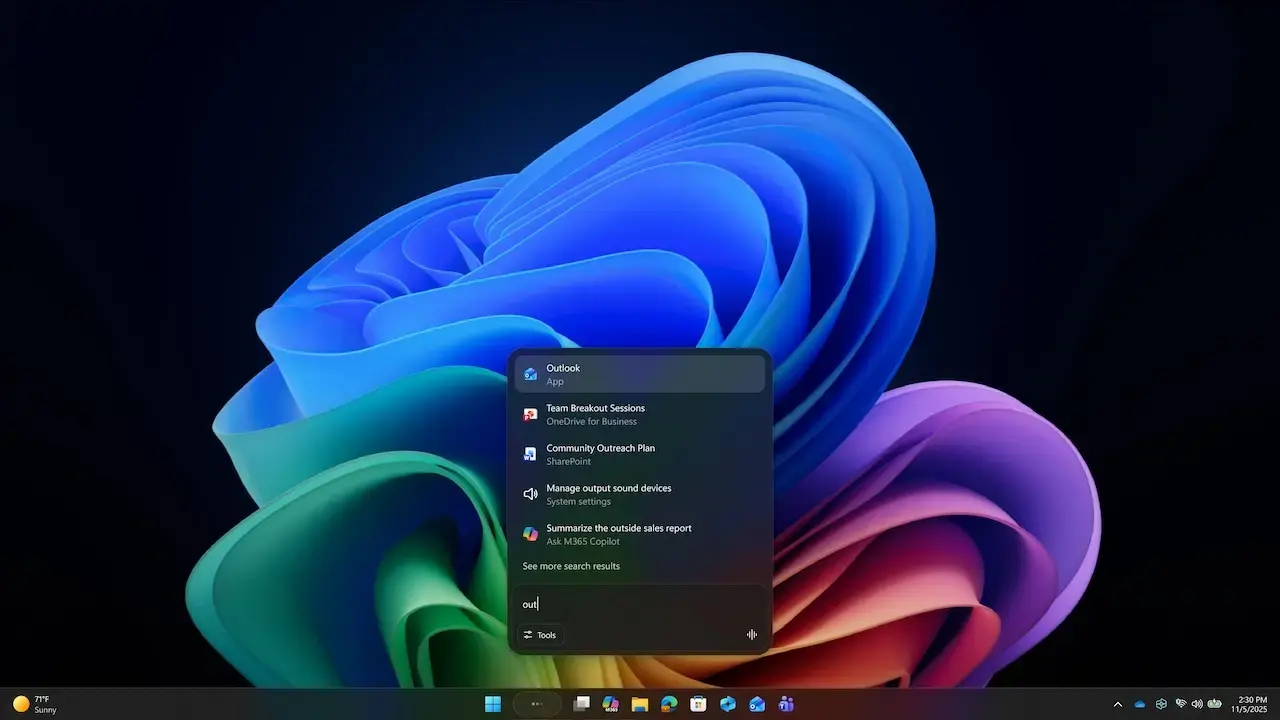
Microsoft recently hosted a pivotal event in San Francisco, where CEO Satya Nadella, Windows and Devices head Pavan Davuluri, and NVIDIA CEO Jensen Huang detailed the future of the company’s operating system and hardware ecosystem. The presentation centered on the integration of autonomous AI agents directly within the Windows environment and the implementation of a sophisticated hybrid computing architecture. By leveraging both local NPU hardware and cloud infrastructure, Microsoft aims to redefine the personal computer as an active, task-oriented partner rather than a passive tool, marking a significant milestone in the development of autonomous AI for everyday computing users.
- Microsoft is integrating autonomous AI agents into Windows to enable direct file manipulation and task execution.
- A new hybrid computing architecture allows AI models to process data locally on the device while utilizing the cloud for complex operations.
- The company is upgrading the Windows search experience to include rapid system control capabilities accessible directly from the taskbar.
- Strategic collaboration with NVIDIA focuses on optimizing local GPU and NPU performance for enhanced AI workloads.
Windows 11 Gains Autonomous AI Capabilities
Following the initial launch of Copilot+ PCs, Microsoft has incorporated user feedback to transform Windows into a more robust and secure platform for artificial intelligence. The newly introduced hybrid approach ensures that AI models operate with a focus on privacy, processing sensitive tasks locally on the hardware while scaling to the cloud only when necessary. This development allows the Copilot assistant to take direct action on local files with user permission, and it can even generate custom widgets or mini-applications without requiring the user to write code.
Search Functionality Receives Significant Improvements
Starting this autumn, Windows users will experience a major overhaul in how they interact with their devices. The operating system is introducing an expanded search experience, similar to the functionality seen in macOS, which allows for thousands of rapid actions. By accessing the search bar on the taskbar, users can now execute system commands such as toggling dark mode, taking screenshots, adjusting audio levels, or sending SMS messages without navigating through traditional settings menus. This change reflects a broader effort to reduce friction and increase productivity for daily tasks.
Hybrid Processing Power Defines Hardware Strategy
The event heavily emphasized the role of the hardware ecosystem, specifically the synergy between local processing units and AI-driven software. Through the collaboration with NVIDIA, Microsoft has detailed how modern NPU and GPU units handle hybrid workloads. By keeping user data on the local machine whenever possible, the company ensures both high-speed performance and enhanced data security. This balanced ecosystem allows complex modeling processes to occur in the cloud while keeping standard operations fast and responsive on the user’s physical device.
Future Directions for Personal Computing
The vision presented in San Francisco signals a departure from traditional computing paradigms. By embedding autonomous intelligence at the operating system level, Microsoft is betting that the future of the PC lies in its ability to assist the user proactively. As these features roll out to the broader market, the distinction between a computer and a personal assistant will continue to blur, offering new ways to interact with software and hardware alike.
How do you feel about the integration of autonomous AI agents directly into your operating system? Do you prioritize the privacy of local processing or the power of cloud-based AI, and we would love to hear your thoughts in the comments section below.
Your comment has been submitted,
it will be published after approval.