
Formula 1 to Reintroduce V8 Engines by 2030

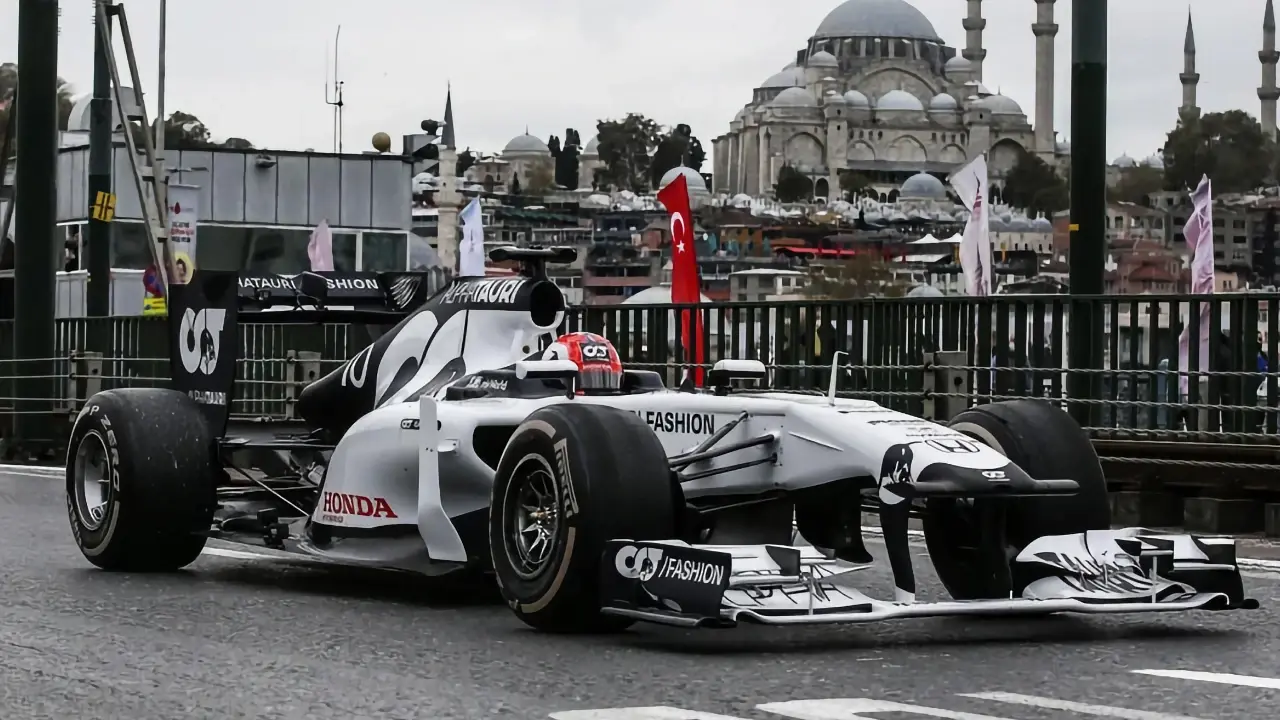
Formula 1 is set to undergo a significant powertrain transformation, with FIA President Mohammed Ben Sulayem officially announcing a shift back to V8 engines starting in 2030. This strategic move will see the current 1.6-liter V6 turbo-hybrid units phased out. In contrast to the complex hybrid systems that have powered the sport since 2014, the 2030 regulations aim to minimize electrical assistance, placing the internal combustion engine firmly at the center of performance. This decision is also projected to reduce the weight of racing cars by approximately 80 kilograms, marking a fundamental revision long anticipated in motorsport.
Motorsport World Will Hear the Legendary Engine Sound Again
One of the most frequent criticisms leveled by Formula 1 fans since 2014 has been the muted sound profile of the current V6 turbo-hybrid power units. The perception that modern engines fail to capture the traditional racing spirit has been a consistent talking point within the FIA. When explaining the choice of V8s over V10s, Mohammed Ben Sulayem emphasized that these units would not only restore the coveted, roaring sound but also feature a simpler technical architecture. This transition is intended to reinvigorate the atmosphere of Grand Prix racing.
The Role of Hybrid Technology is Being Reshaped
For the past decade, Formula 1 has embraced advanced hybrid support systems in its pursuit of sustainability and technological advancement. However, the weight and complexity associated with these systems have frequently drawn criticism for negatively impacting the agility of the cars. The new regulations, effective from 2030, stipulate a significant reduction in hybrid assistance. Consequently, races are expected to be decided more by the pure performance of the internal combustion engine with less electronic intervention. This decision is viewed as a crucial step towards reconnecting motorsport with its fundamental roots.
Car Weight and Performance Balance Will Change
The FIA’s overhaul for the 2030 season extends beyond just the engine type; it also involves modernizing the physical construction of the cars. The targeted 80-kilogram weight saving is anticipated to directly enhance cornering performance, offering drivers a more dynamic racing experience. While more comprehensive technical details are expected to be released later, it is presumed that teams have already begun adapting their strategies and development programs to meet these new engineering standards. This new era for Formula 1 promises a purer racing experience, merging speed with the visceral thrill of sound.
Do you believe Formula 1’s return to V8 engines will increase the excitement of races, or is moving away from hybrid technology a step backward? Share your thoughts with us in the comments section below.
Your comment has been submitted,
it will be published after approval.