
Google Launches Advanced Gemini 4 Argon AI Model

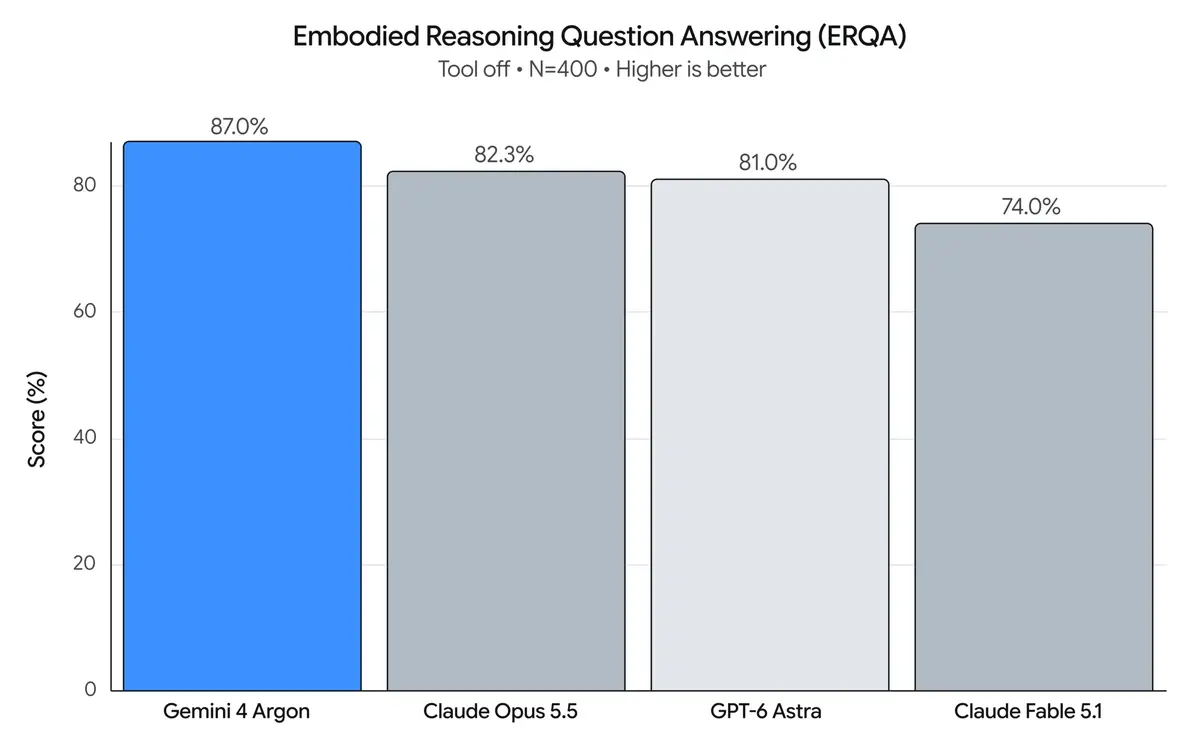
Google officially launched its highly anticipated Gemini 4 Argon artificial intelligence model today, making it available through the Gemini application. This latest iteration is specifically engineered to excel at solving complex spatial problems within 3D environments, representing a significant technical leap for the company’s AI portfolio. While the model brings enhanced capabilities to power users, access is currently restricted to those subscribed to Google’s premium AI Pro or AI Ultra tiers. This strategic release underscores Google’s ongoing efforts to monetize high-performance generative AI while managing the substantial computational demands required by the Argon architecture.
- The Gemini 4 Argon model provides advanced spatial reasoning capabilities for 3D environments.
- Access to the new model is restricted exclusively to AI Pro and AI Ultra subscription plans.
- Developers face a two-tiered pricing structure for API usage that increases significantly after November 30.
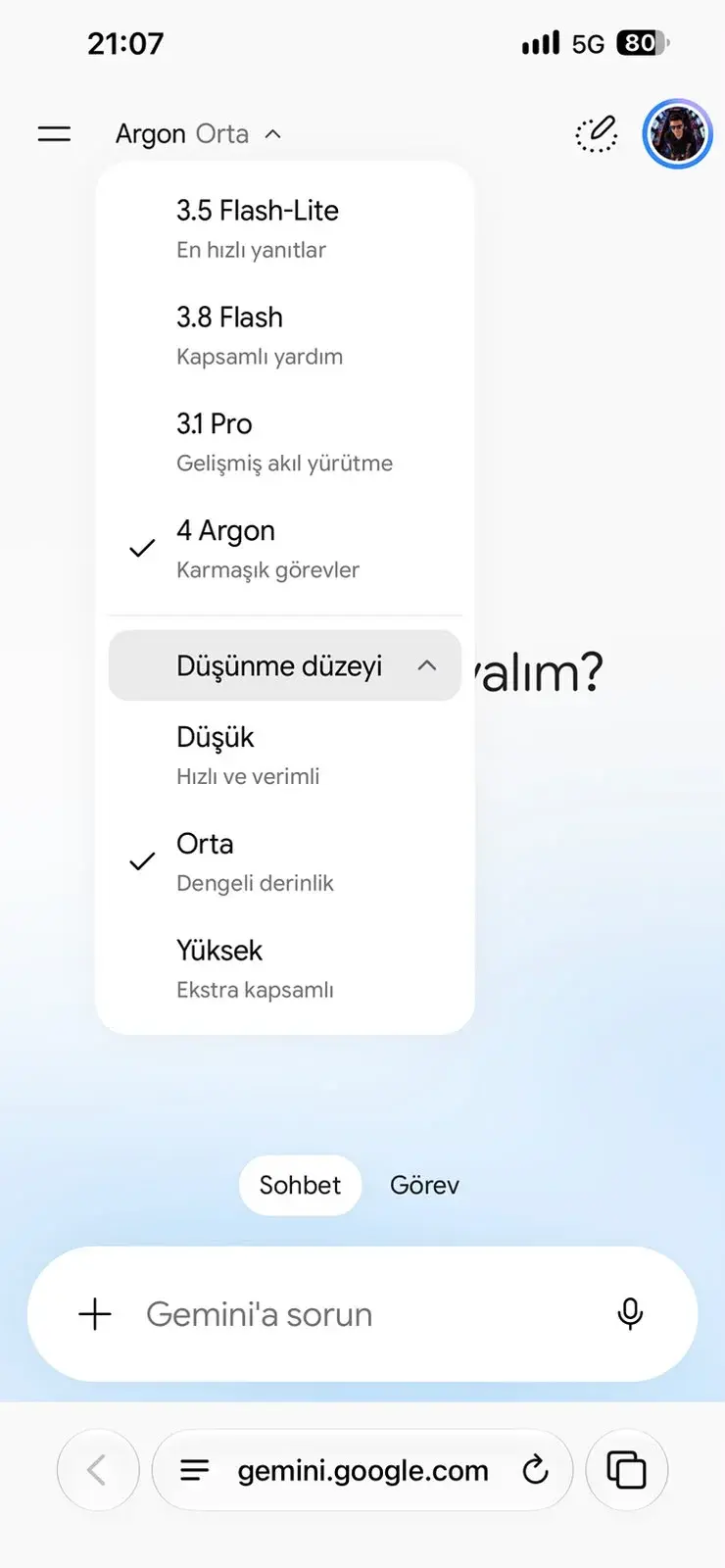
- Google continues to support the Gemini 3.1 Pro version for users requiring alternative performance standards.
Subscription Tiers Determine Access Levels
The rollout of Gemini 4 Argon marks a shift in how Google structures its premium offerings. While free users have already faced limitations regarding access to Flash-Lite versions of previous models, the introduction of Argon further delineates the gap between free and paid services. Those utilizing the AI Pro plan can access Argon-powered code generation via the Canvas mode in the Gemini interface, whereas more intensive, agent-based workflows on the Antigravity platform are reserved for AI Ultra subscribers.
Industry analysts suggest that these restrictions are largely driven by the high operational costs associated with running such a sophisticated model. Google has noted that Argon’s architecture requires significant processing power, particularly when handling multi-channel and agent-centric tasks. For those who find the current subscription costs prohibitive, Google maintains that the Gemini 3.1 Pro model will remain available for a transitional period, ensuring continuity for existing development workflows.
Developer API Pricing Structures Change
Beyond the consumer application, Google has introduced a specific pricing framework for developers accessing Argon through its paid API. To encourage initial adoption, the company has implemented a promotional pricing period that concludes on November 30. During this window, developers are charged 2 dollars per million input tokens and 10 dollars per million output tokens. A notable 95 percent discount is also being applied to cached tokens to support efficient application development.
The landscape for developers will shift once this promotional period expires at the end of November. The cost of entry will double, with input token prices rising to 4 dollars and output token costs increasing to 20 dollars per million. This pricing strategy reflects Google’s objective to balance the high demand for its most capable models with the reality of infrastructure maintenance costs. Developers are strongly encouraged to evaluate their long-term project budgets against these upcoming price adjustments to ensure sustainable integration with the Argon model.
We are curious to hear your thoughts on these new access limitations and the pricing model for Gemini 4 Argon; do you believe the enhanced spatial reasoning capabilities justify the premium subscription costs, or should Google have offered a more accessible entry point?
Your comment has been submitted,
it will be published after approval.