
Peugeot Confirms Hypersquare Steering Wheel Enters Production in 2027

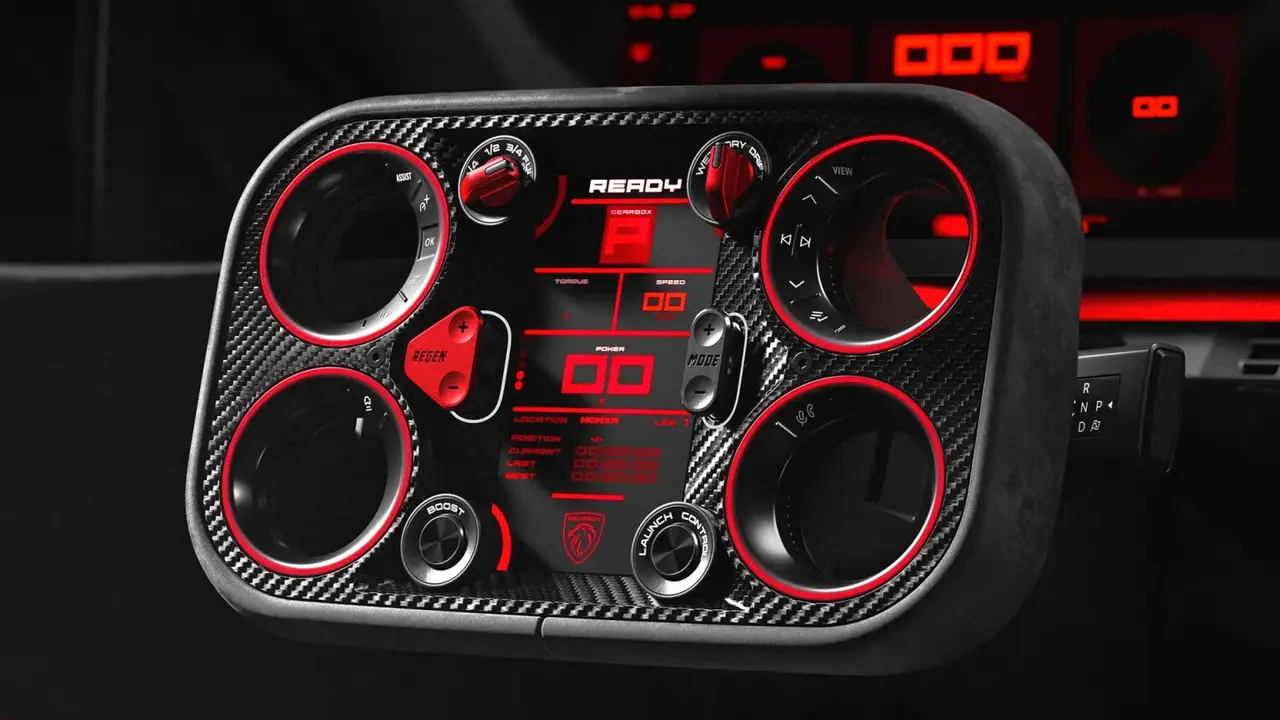
Peugeot has officially reaffirmed its commitment to the futuristic Hypersquare steering system, confirming that the rectangular design will debut in a mass-produced vehicle by 2027. During the Paris Motor Show, the French automaker showcased the radical technology, emphasizing a move away from the century-old circular steering tradition. By stating that there is no reason to travel in circles when one can move forward, Peugeot is signaling a major shift in automotive ergonomics. This steer-by-wire technology, which eliminates mechanical links to the wheels, aims to redefine how drivers interact with their vehicles in the coming years.
- Peugeot plans to introduce the Hypersquare steering system in a production model by 2027.
- The steer-by-wire technology removes all mechanical connections between the steering wheel and the vehicle wheels.
- The steering wheel requires only 170 degrees of rotation in either direction to achieve a full turn.
Mechanical Linkages are Being Replaced by Electronics
The Hypersquare concept represents a significant departure from traditional automotive engineering. Initially introduced in the 2023 Inception concept, the system has since been refined alongside the Polygon Concept. The core of this innovation lies in the steer-by-wire system, which replaces physical steering columns and racks with electronic signals. This technology, borrowed from aerospace applications, allows the vehicle to adjust steering ratios dynamically based on the current speed of the car.
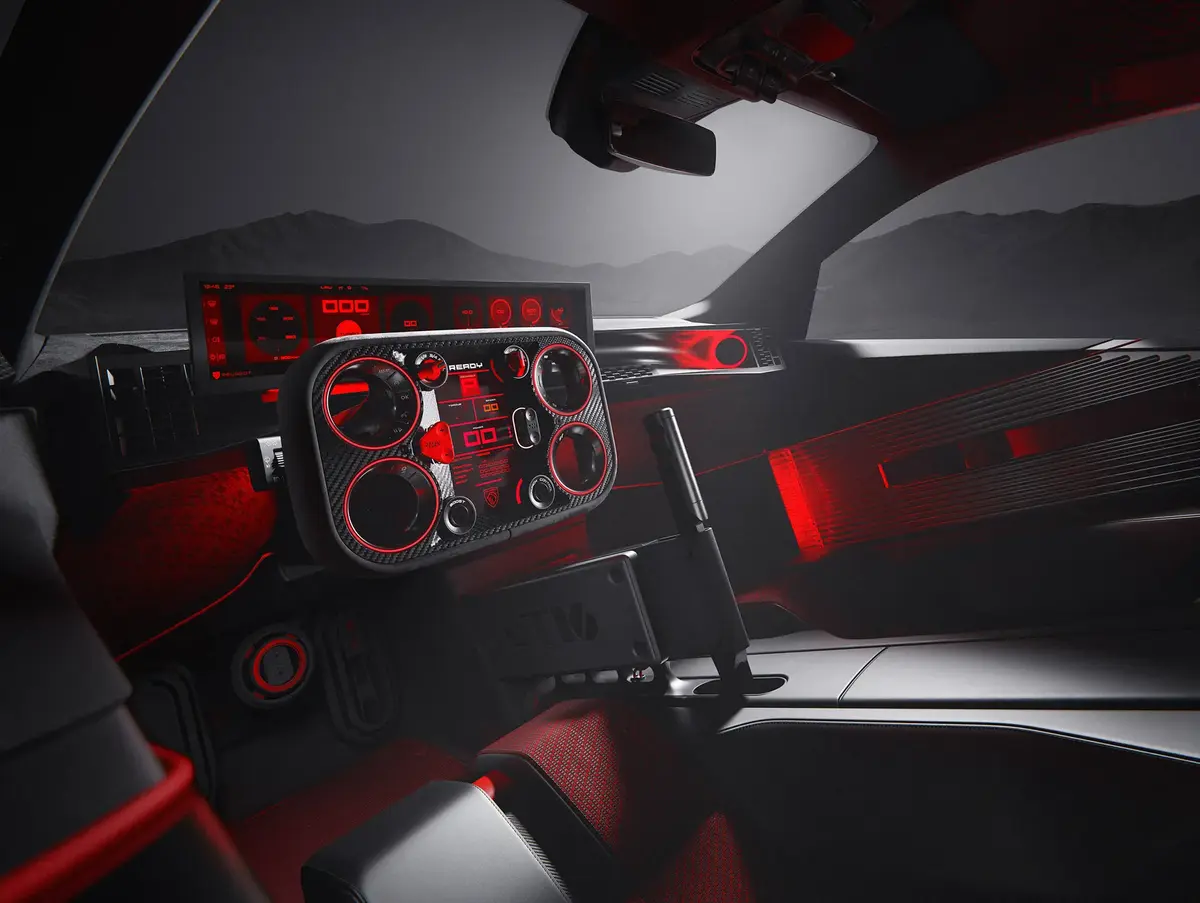
By removing the mechanical connection, engineers have gained more freedom in cockpit design. This change allows for a flatter, more open cabin layout, significantly increasing the visibility of the instrument cluster. Furthermore, the system provides precise feedback to the driver, ensuring that road conditions are still communicated effectively without the need for a traditional steering shaft.
Steering Dynamics are Being Optimized for Maneuverability
One of the most notable features of the Hypersquare is its improved ease of use during low-speed maneuvers. While standard steering wheels require roughly three full rotations to travel from lock to lock, the Hypersquare requires only 170 degrees of rotation in either direction. This design choice eliminates the need for the driver to take their hands off the wheel during tight turns or parking maneuvers.
The steering wheel is equipped with integrated controls located at each of the four corners. These circular modules house essential vehicle functions, allowing the driver to manage infotainment, lighting, and climate settings without reaching for a separate dashboard panel. This consolidation of controls creates a cleaner, more intuitive driving environment that prioritizes accessibility and focus.
Production Timelines are Being Finalized for 2027
While Peugeot has not explicitly named the vehicle that will carry this technology into the market, industry analysts suggest that the compact Polygon Concept provides a glimpse into the future of the 208 model line. The brand is currently focused on the transition phase, ensuring that the steer-by-wire system meets all safety and reliability standards for mass production. This development marks a pivotal moment for the manufacturer, as it challenges the century-old reliance on circular steering designs.
Whether consumers will embrace such a dramatic change remains a topic of debate within the automotive community. While the technical advantages of the Hypersquare are clear, the success of this innovation will ultimately depend on how well it integrates into the daily habits of modern drivers. Peugeot is betting that the shift toward a more digital, streamlined driving experience will be the catalyst for this bold design choice.
Do you think you could adapt to a rectangular steering wheel, or do you prefer the traditional circular design? Share your thoughts on the future of automotive steering in the comments below.
Your comment has been submitted,
it will be published after approval.