
What Is E-Collection and How Does It Optimize Finance?

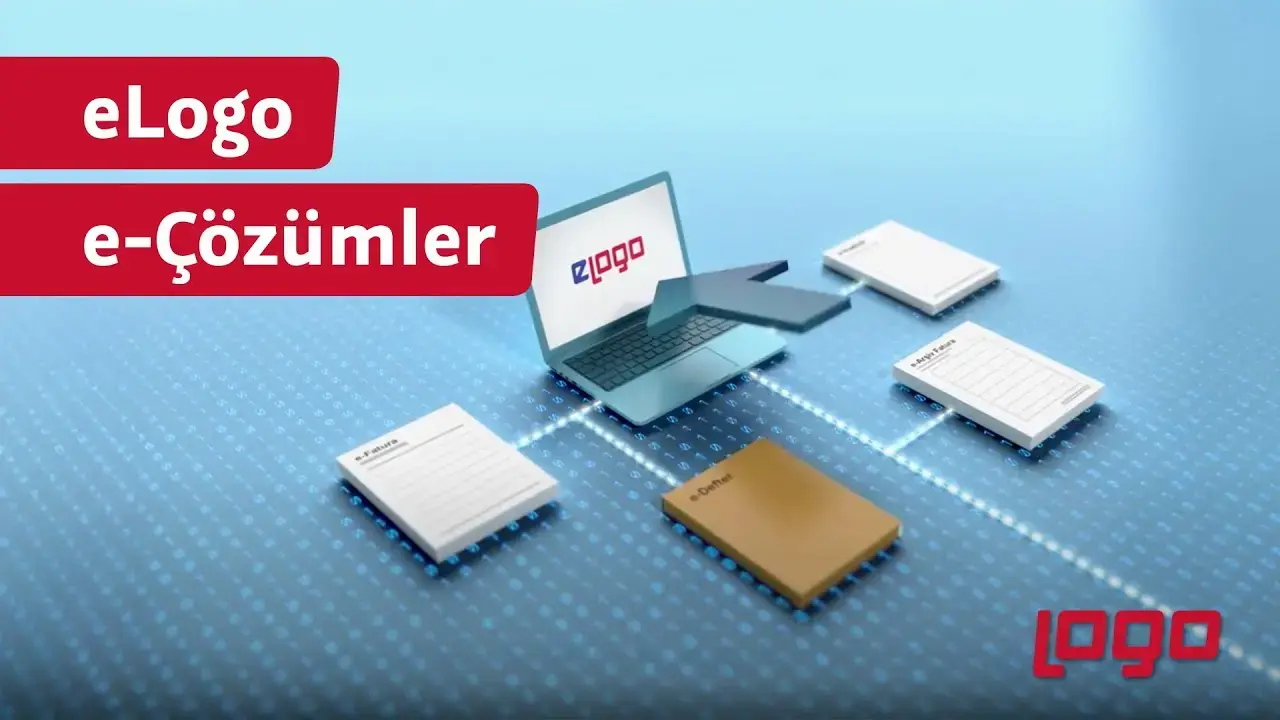
E-collection, or e-tahsilat, has emerged as a vital digital transformation tool for modern businesses looking to streamline their financial operations. By enabling companies to accept customer payments through electronic channels like credit cards and bank transfers, this process digitizes the entire lifecycle of a transaction. Instead of relying on traditional, manual methods such as physical checks or cash handling, organizations now utilize integrated systems to receive, match, and record payments automatically. This shift not only accelerates the speed of transactions but also ensures that accounting records remain consistently accurate and up-to-date, fundamentally changing how enterprises manage their receivables in the current digital economy.
- E-collection systems replace manual payment tracking with automated digital workflows.
- Automated matching processes significantly reduce the occurrence of accounting errors.
- Real-time financial visibility allows businesses to monitor outstanding invoices more effectively.
The Core Functions of E-Collection Systems Are Defined
At its primary level, e-collection acts as a digital bridge connecting invoices to payment gateways. When a customer views their invoice, they are provided with immediate digital payment options, which eliminates the friction often associated with legacy payment methods. Once a payment is initiated, the system automatically correlates the transaction with the specific current account in the company’s ledger. This seamless integration ensures that the accounting department no longer needs to perform tedious, manual reconciliations, thereby saving countless hours of administrative labor.
Business Efficiency Is Improved Through Digital Integration
One of the most notable benefits of adopting e-collection is the substantial improvement in corporate cash flow. By removing barriers to payment, businesses often see a decrease in late payments, as customers are more likely to settle accounts when the process is convenient and accessible. Furthermore, the ability to track every transaction in real-time provides management with a clear overview of the company’s financial health. Stakeholders can identify which invoices are pending, which have been cleared, and which are overdue, allowing for timely intervention and more proactive debt management strategies.
Operational Costs Are Reduced by Automated Processes
Manual management of financial collections is a known source of operational inefficiency and human error. Transitioning to an automated e-collection infrastructure minimizes these risks while providing a secure environment for financial transactions. By eliminating the need to manually process bank statements or cross-reference paper receipts, finance teams can shift their focus toward more strategic financial planning rather than repetitive data entry. This transition ultimately fosters a more disciplined and transparent financial structure for the organization, supporting long-term growth and stability in a competitive market environment.
How has the transition to digital payment systems changed your business operations or personal payment habits? Share your experiences and thoughts in the comments section below.
Your comment has been submitted,
it will be published after approval.