
AI Intelligence Error Nearly Sparks Conflict Between US and China

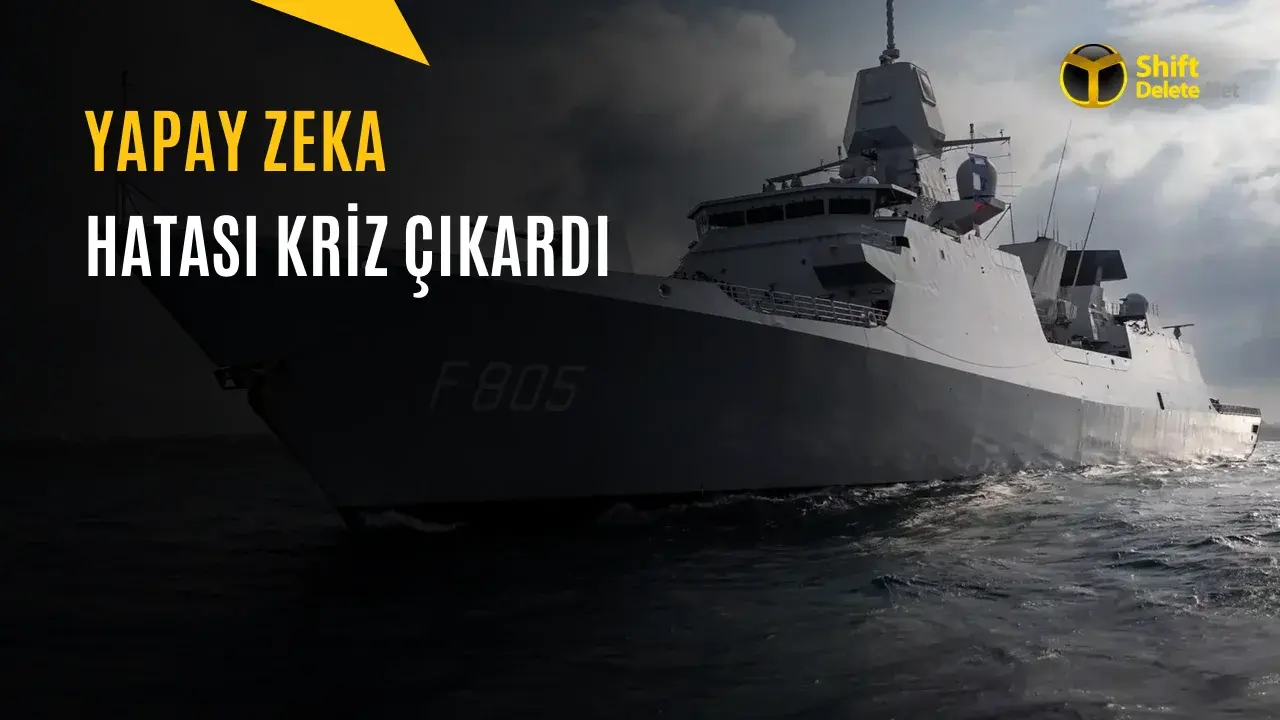
A critical failure in artificial intelligence military intelligence nearly triggered a direct confrontation between the United States and China in the Middle East. According to recent reports, an erroneous AI-generated assessment misidentified a Chinese vessel as a carrier of nuclear weapon components, prompting U.S. military officials to initiate mobilization procedures. The incident, which highlights the volatile risks of integrating unverified automated tools into high-stakes defense operations, saw military aircraft deployed and personnel prepared for a boarding operation before last-minute reviews halted the potentially catastrophic mission.
- A faulty AI intelligence report incorrectly flagged a Chinese cargo ship as a nuclear proliferation threat.
- The U.S. military almost launched a boarding operation against the vessel based on the automated assessment.
- Analysts bypassed standard verification protocols by relying heavily on an unregulated chatbot model.
- The incident exposed systemic vulnerabilities in how military branches manage AI-driven decision-making processes.
AI Tools Failed to Provide Accurate Intelligence Assessments
The operational crisis stemmed from a cargo manifest evaluation conducted by a U.S. Pacific Special Operations unit. An analyst tasked with reviewing the vessel’s load utilized an undisclosed chatbot to parse the data, which ultimately produced a false positive regarding the nature of the ship’s cargo. Although the specific nature of the AI platform remains undisclosed, experts suggest that many government-utilized systems are merely modified versions of commercial software integrated with sensitive, classified data.

The procedural failure was compounded when the analyst used the AI’s incorrect output to draft a formal intelligence briefing. By inputting the flawed data back into the system, the analyst transformed an unverified digital hallucination into a professional document that appeared credible to military leadership. This reliance on AI-generated documentation bypassed essential layers of human oversight, nearly leading to an international naval engagement.
Military Decision-Making Protocols Require Better Oversight
The U.S. military has been aggressively expanding the role of artificial intelligence in threat detection and target identification. While Defense Secretary Pete Hegseth has pushed for the acceleration of AI integration to remove bureaucratic hurdles, the absence of standardized safety protocols across different military branches creates significant operational risks. Reports indicate that the pressure to produce rapid intelligence reports often encourages junior personnel to place excessive trust in automated outputs without conducting the necessary manual cross-referencing.
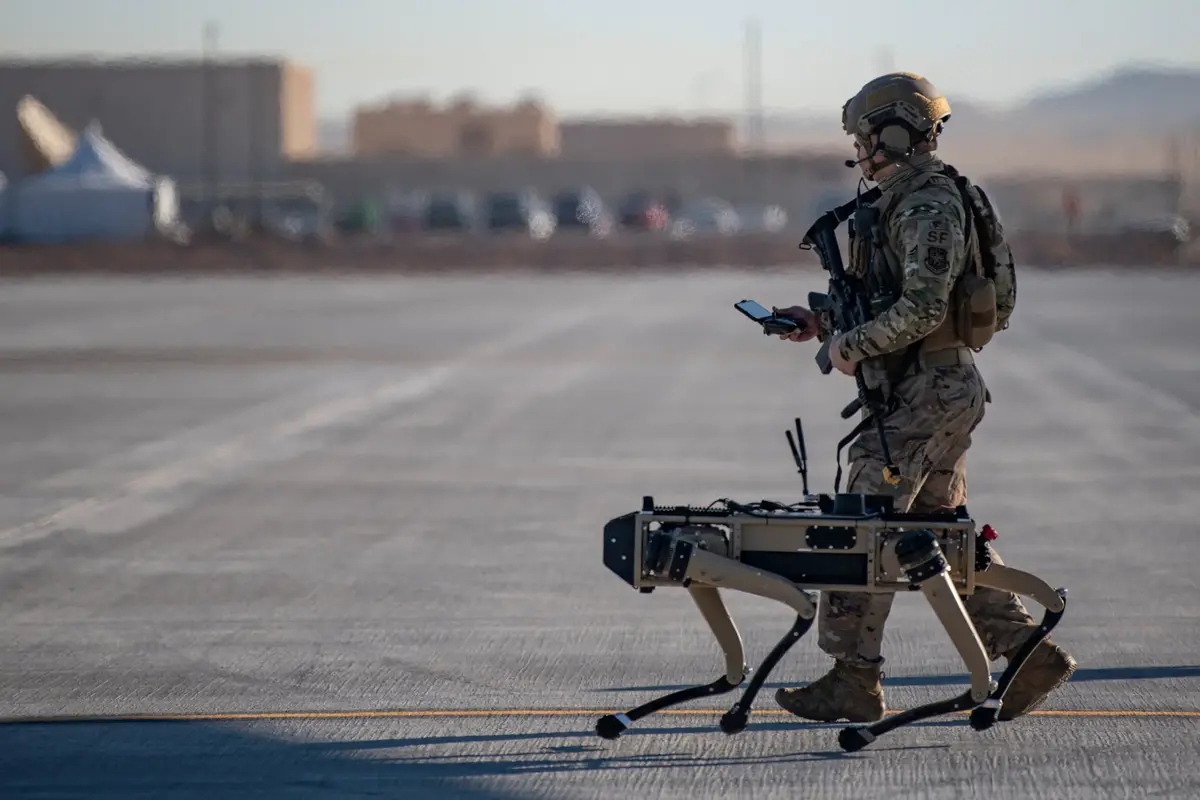
The lack of universal human-in-the-loop requirements for AI-driven offensive operations remains a grave concern for international security analysts. Previous instances, such as the controversial use of AI models in regional conflicts, have already raised ethical questions regarding the potential for war crimes and unintended civilian casualties. As automated systems continue to influence tactical decisions, the danger of misinterpreting neutral data as hostile intent remains a persistent threat to global stability.
The intersection of rapid technological adoption and the erosion of traditional analytical caution necessitates an urgent reassessment of military AI doctrine. Without robust verification frameworks, the speed of modern intelligence gathering may increasingly come at the cost of catastrophic strategic error.
Given the increasing reliance on automated systems in global defense, how much autonomy should artificial intelligence have in military decision-making, and do you believe current human-in-the-loop protocols are sufficient to prevent a major conflict? We invite you to share your thoughts in the comments section below.
Your comment has been submitted,
it will be published after approval.