
Apple Introduces Custom AirPods EQ Settings with iOS 27

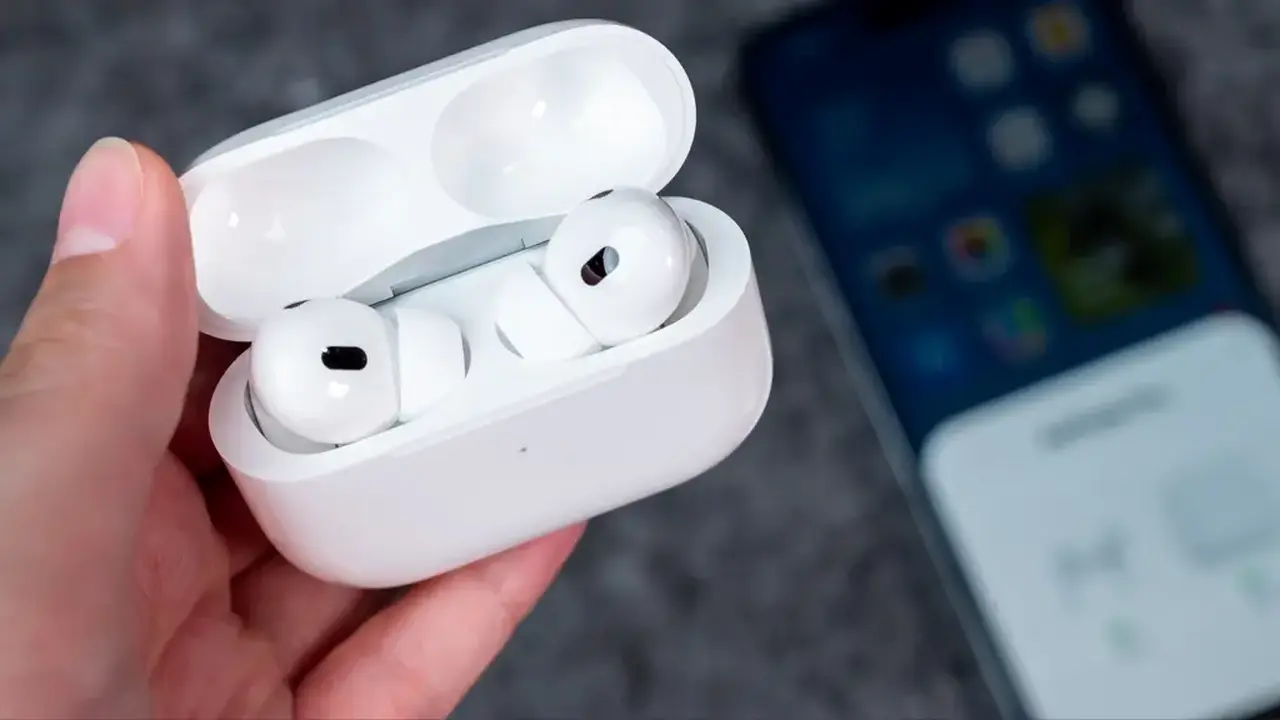
Apple has officially announced a significant shift in its audio strategy during the WWDC 2026 event, revealing that the upcoming iOS 27 update will finally introduce advanced AirPods custom EQ support. For years, the company maintained a rigid approach to sound profiles, forcing users to rely on the standard, balanced signature tuned by Apple engineers. With the arrival of iOS 27 this autumn, users will gain unprecedented control over their listening experience. This development marks a major milestone for the AirPods lineup, addressing long-standing requests from audiophiles and casual listeners alike who have sought the ability to fine-tune their audio output to match personal preferences.
- The iOS 27 update introduces a dedicated interface for manual frequency adjustments on AirPods devices.
- Internal microphones will likely analyze individual ear canal structures to suggest personalized equalization curves.
- Automated distortion prevention systems will calibrate audio levels to maintain quality when users modify frequency ranges.
- The feature will be available across current AirPods models, including the Pro and Max series.
This update effectively removes the last major barrier for professional audio enthusiasts within the Apple ecosystem.
AirPods Custom EQ Settings Transform the Audio Experience
The introduction of the AirPods custom EQ panel is more than just a software tweak; it represents a fundamental change in how Apple handles hardware integration. While previous versions of iOS kept sound profiles locked to a consistent, neutral signature, the new system allows for granular control over bass, mid-range, and treble frequencies. 
By providing these tools, Apple is acknowledging the diversity of consumer music tastes. Analysts suggest that the company is not merely adding a basic equalizer but is instead leveraging its proprietary hardware capabilities to ensure that these software changes do not compromise the integrity of the sound drivers. This dual approach aims to satisfy both novice users and those who demand a professional-grade acoustic profile.
Intelligent Audio Technology Enhances the Tuning Process
Although the official user interface remains under wraps, industry experts anticipate that Apple will utilize its sophisticated microphone array to assist with the calibration process. By scanning the unique geometry of a user’s ear canal, the software can suggest an ideal starting point for the equalization curve, ensuring that the sound profile is tailored to the individual rather than being a generic adjustment. 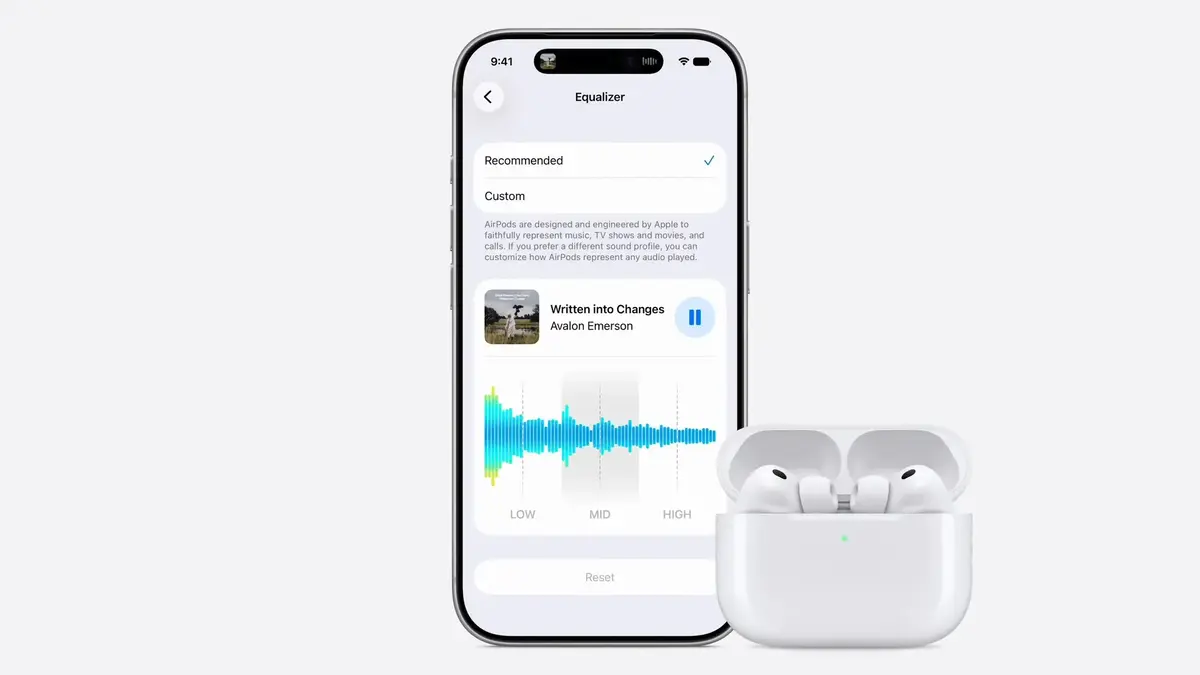
Furthermore, the system will incorporate intelligent gain balancing. This feature is designed to prevent sound distortion that typically occurs when users push specific frequencies beyond their optimal range. The software will perform real-time adjustments to keep the output clean and balanced, providing a fail-safe that makes advanced audio tuning accessible to everyone.
Apple is set to bridge the gap between closed-system convenience and professional-grade customization for all AirPods users.
The integration of these tools into iOS 27 underscores Apple’s commitment to evolving its ecosystem based on user feedback. By empowering owners of AirPods Max and AirPods Pro to define their own sonic signatures, the company is positioning its hardware to compete more effectively with high-end, customizable wireless audio equipment on the market.
How would you adjust your AirPods settings to suit your favorite musical genre? Share your thoughts on these upcoming equalizer features in the comments section below.
Your comment has been submitted,
it will be published after approval.