
Apple to Revolutionize MacBook and iPad with OLED Technology


Apple is preparing a major shift in its product lineup, aiming to integrate advanced OLED screen technology across its MacBook Pro, iPad Pro, and iMac series. According to a recent report by TrendForce, the tech giant intends to implement high-performance panels capable of covering 95 percent of the BT.2020 color gamut in its upcoming computing devices. This transition marks a significant departure from current industry standards, promising to deliver unprecedented color accuracy and visual fidelity for professional users. By expanding OLED technology beyond iPhones and the Vision Pro, Apple is effectively setting a new benchmark for premium display quality in the personal computer market.
- Apple plans to integrate OLED panels covering 95 percent of the BT.2020 color gamut into its future MacBook Pro and iPad Pro models.
- The transition to OLED technology prioritizes enhanced energy efficiency and extended panel lifespan for professional devices.
- Manufacturers are adopting advanced materials like MR-TADF and hyperfluorescence to meet the rigorous display specifications set by Apple.
Apple Products Are Exceeding Established Industry Standards
The tech industry has long anticipated the arrival of OLED-equipped MacBook and iMac models, viewing this transition as one of the most substantial hardware evolutions in Apple’s history. By moving away from traditional display technologies, the company is fundamentally redesigning the architecture of its computing devices to accommodate the unique characteristics of OLED panels.
This strategic shift represents more than a simple hardware upgrade. It indicates a comprehensive rethink of how professional users interact with digital content on desktop and laptop platforms. 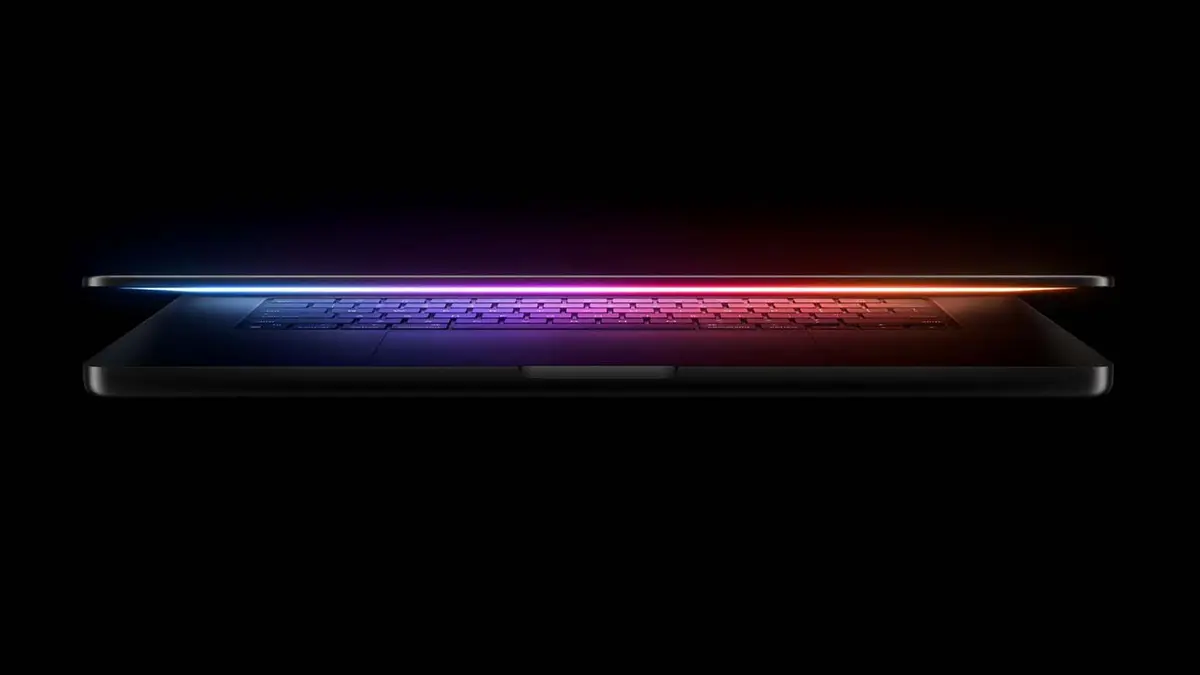
Advanced display architectures are simultaneously optimizing power consumption and achieving professional-grade color accuracy.
Engineers Are Developing New Materials for Displays
Meeting the requirements of the BT.2020 standard requires pushing the boundaries of existing manufacturing techniques. To overcome these technical obstacles, display producers are increasingly adopting next-generation systems, including molecular structures such as MR-TADF. These innovations allow for light emission within a narrower band, which significantly improves color purity while reducing energy waste during operation.
Furthermore, the integration of pTSF technology ensures that the panels maintain their integrity even under high-brightness conditions. This development is crucial for maintaining the longevity of hardware in demanding professional environments where screens are often set to maximum output for extended periods.
Supply Chain Partners Are Restructuring Operations
Apple’s decision to enforce these high performance standards has triggered intense competition among display suppliers, most notably between Samsung Display and various Chinese manufacturers. Companies are now shifting their focus away from mere brightness and thinness toward the development of sustainable, cost-effective material platforms.
This heightened competition allows Apple to diversify its supply chain and mitigate risks associated with component sourcing. By incentivizing research and development in display materials, Apple is exerting significant influence over the future trajectory of the global display market.
Apple’s vision for OLED integration may define the new global standard for computer display technology.
How do you anticipate the shift to OLED technology will change your professional creative workflow, and is the expanded color gamut a deciding factor for your next hardware purchase? Share your thoughts and preferences with us in the comments section below.
Your comment has been submitted,
it will be published after approval.