
Apple Watch Ultra Saves Cyclist From Serious Traffic Accident

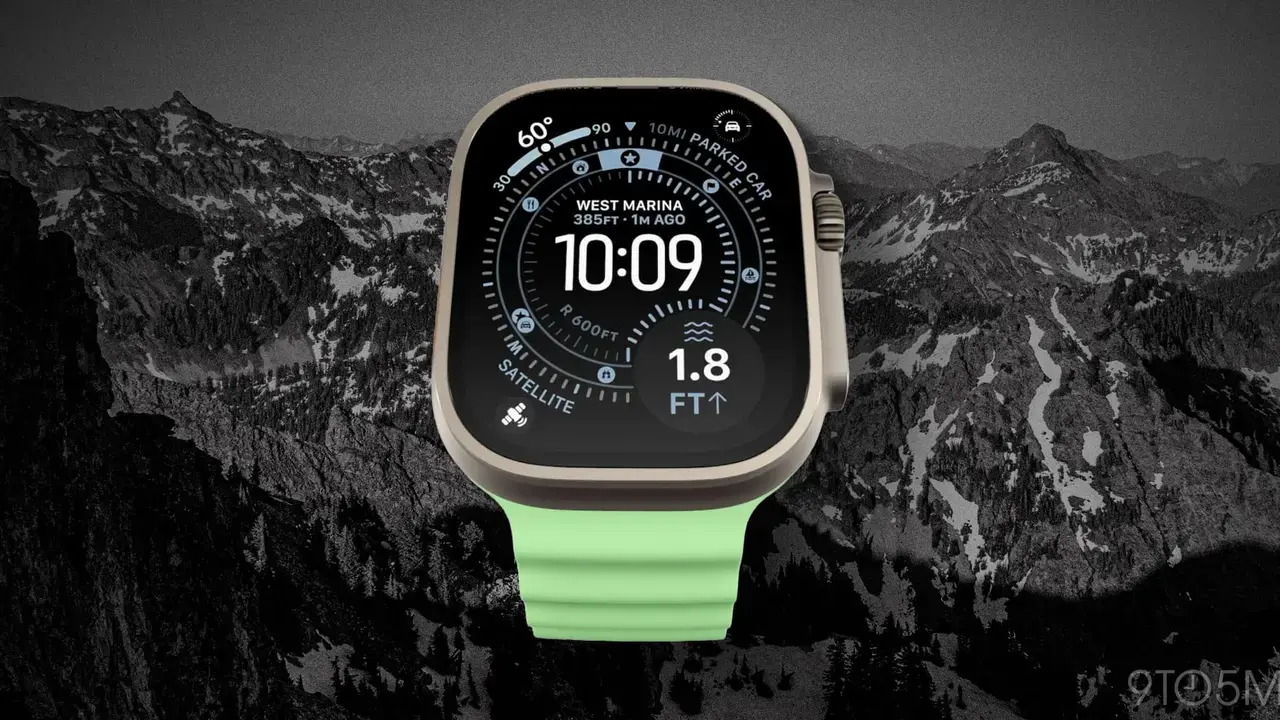
A cyclist commuting near the Golden Gate Bridge recently experienced a harrowing traffic accident when a hit-and-run driver struck him during his ride. During the high-impact collision, the cyclist’s Apple Watch Ultra served as an unexpected protective shield, absorbing the force of the crash against the asphalt. By positioning itself between the rider’s arm and the road surface, the rugged device prevented severe physical trauma, including potential elbow dislocations and deep tissue road burns. While the watch was completely destroyed in the process, the user escaped the incident with only minor, superficial injuries, proving the device’s durability beyond its standard features.
- The Apple Watch Ultra protected the user from critical physical injury by absorbing the kinetic energy of a high-speed collision.
- The device’s titanium casing functioned as a structural buffer between the cyclist’s arm and the road pavement.
- The user sustained only minor skin abrasions, which were caused primarily by the detachment of the titanium Milanese loop during the impact.
The rigid titanium construction acted as a protective barrier that prevented severe skeletal damage to the cyclist’s arm.
The Device Demonstrates Exceptional Structural Integrity
The cyclist, who shared his harrowing experience on Reddit under the username “fortuna_cookie,” provided a detailed account of how the hardware held up under extreme pressure. Witnesses confirmed that the collision was violent, yet the watch remained intact long enough to mitigate the initial shock of the impact. The titanium casing, marketed for its durability, successfully functioned as a sacrificial component that shielded the wearer from the full force of the collision with the ground.
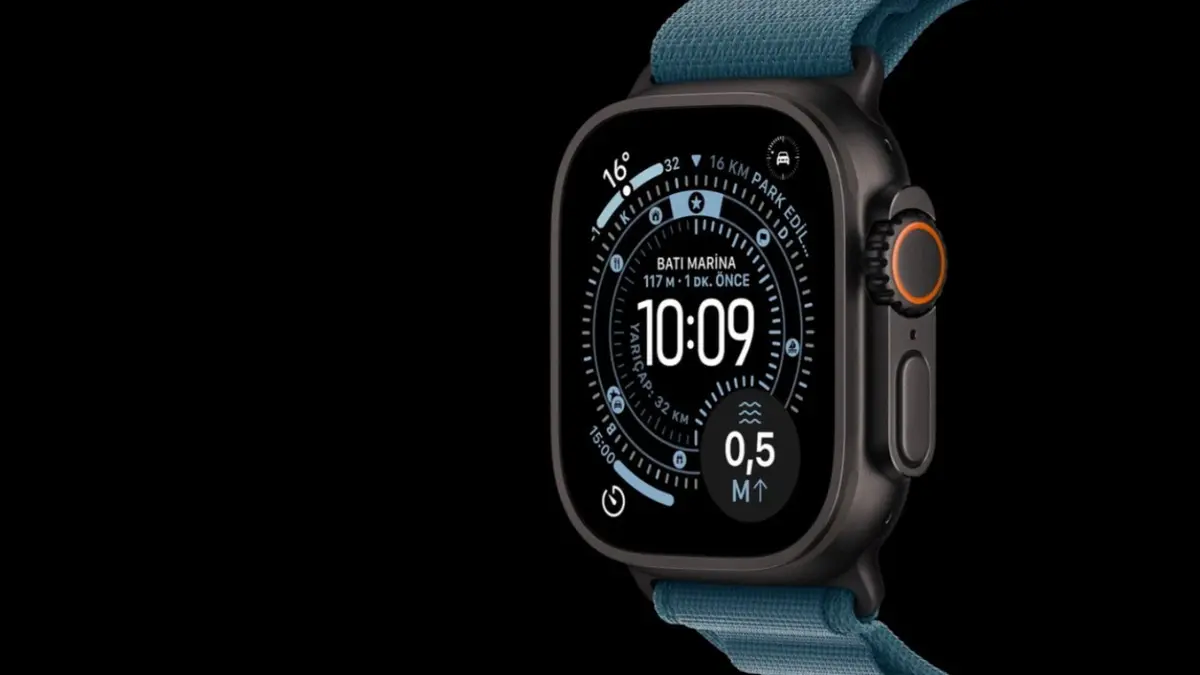
It is worth noting that the minor lacerations the rider sustained were not caused by the watch’s body, but rather by the metal Milanese loop snapping upon the intensity of the contact. This specific detail highlights the immense physical forces involved in the accident. Without the watch serving as a protective buffer, the outcome for the cyclist would have likely resulted in long-term medical complications, such as fractured bones or severe road rash requiring surgical intervention.
The Victim Seeks a Replacement Device
Following the accident, the cyclist has begun the process of looking for a replacement, noting that his loyalty to the brand has only strengthened after the event. The life-saving performance of the hardware has solidified his decision to purchase the same model again, though he now places a much higher priority on extended service coverage. The availability of comprehensive support plans has become a deciding factor for him, as it simplifies the replacement process after unforeseen incidents.
Comprehensive protection plans like AppleCare+ offer users faster recovery and device replacement protocols following traumatic accidents.
This incident serves as a significant case study for how wearable technology is evolving into more than just a fitness tracker or notification hub. As these devices become increasingly durable, they are transitioning into essential safety equipment for athletes and commuters alike. The robust engineering inherent in such high-end wearables provides a tangible layer of security, particularly for those who frequently engage in outdoor activities or extreme sports where physical hazards are constant.
Have you ever had a piece of technology play a crucial role in your safety during an emergency? We would love to hear about your experiences with wearable durability or any protective measures you prioritize while cycling in the comments section below.
Your comment has been submitted,
it will be published after approval.