
Conduit Offers $50 for Mind-Reading Artificial Intelligence Data


San Francisco-based technology startup Conduit has officially launched a specialized data collection initiative aimed at advancing its proprietary artificial intelligence-driven mind-reading technology. The firm is currently compensating participants between $50 and $55 for two-hour sessions that involve interacting with AI models while wearing specialized equipment. By focusing on non-invasive, wearable technology, Conduit seeks to enable users to transmit commands directly through their thoughts, effectively bypassing the inefficiencies associated with traditional voice or text-based inputs. This ambitious project, which aims to bridge the gap between human intent and machine execution, represents a significant leap forward in the field of neural interface development.
- Conduit compensates participants up to $55 per two-hour session for gathering neural data.
- The company utilizes non-invasive wearable hardware to translate human thoughts into digital commands.
- Participants must demonstrate proficiency in touch-typing to qualify for the data collection program.
- The startup aims to achieve a trillion-dollar valuation by integrating neural control into daily workflows.
Specialized Equipment is Used to Gather Neural Data
The data collection process requires participants to wear a four-kilogram specialized helmet embedded with electrodes. To ensure the quality of the neural feedback, the startup strictly requires that all candidates possess the ability to type on a keyboard without looking at the keys. Each individual is capped at 32 sessions, during which they are tasked with reading, writing, or engaging in conversation with AI models. This structured environment allows the researchers to capture high-fidelity patterns associated with cognitive tasks.
The company expects to create a seamless bridge between human cognitive processes and advanced artificial intelligence systems.
Neural Headband Technology Will Evolve by 2030
Founded in 2024 by Oxford alumnus Rio Popper and AI researcher Clem von Stengel, the venture has recently bolstered its ranks with the addition of former OpenAI employee Naomi Bashkansky. According to Bashkansky, the neural headband currently in development is projected to reach operational maturity by 2030. 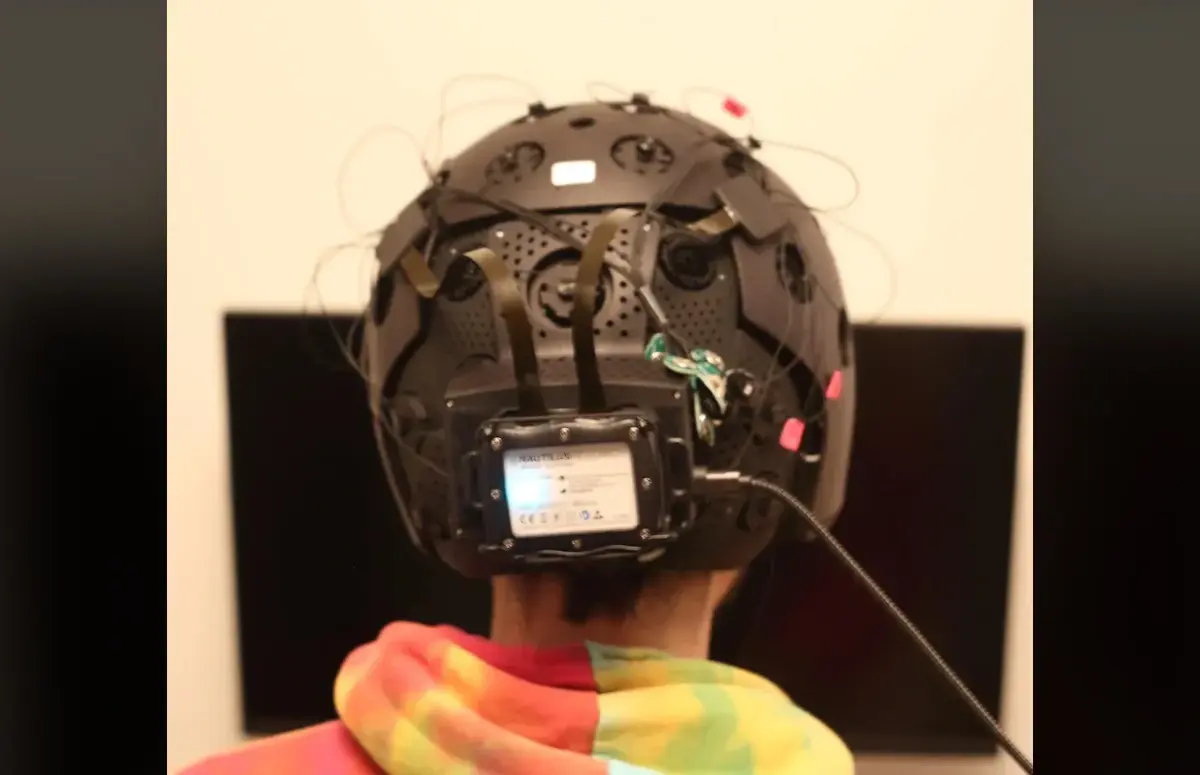 This timeline suggests that within the decade, users could potentially manage complex digital tools and productivity applications through pure mental focus. Rather than replacing human labor, the team views this technology as a tool to empower individuals by removing physical and linguistic constraints.
The startup plans to position neural interfaces as a fundamental component of the modern professional work environment.
Future Interactions Are Being Redefined by Thought Control
The long-term vision for Conduit involves integrating thought-based commands into the everyday digital experience.  As the technology matures, it could fundamentally alter how humans interact with their devices, moving from manual entry to near-instantaneous cognitive execution. While the current hardware remains cumbersome, the rapid pace of innovation suggests that lighter, more efficient versions will follow. The project has set its sights on a massive market impact, aspiring to reach a valuation exceeding one trillion dollars if the current development milestones are met successfully.
How do you envision the integration of thought-controlled technology into your daily routine, and what potential ethical concerns do you believe this advancement might raise for the future of personal privacy?
Your comment has been submitted,
it will be published after approval.