
Dacia Hipster Micro EV Targets Under 15,000 Euro Price Point

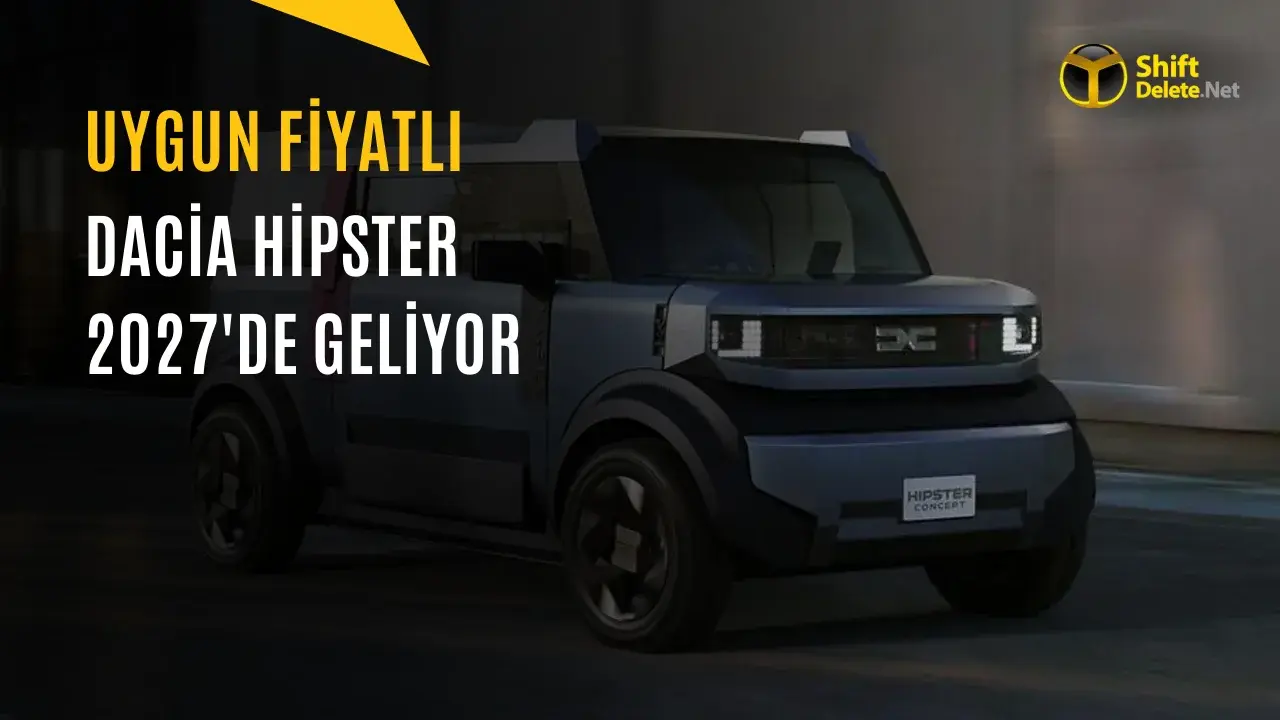
Dacia is set to expand its urban mobility portfolio with the introduction of the new Dacia Hipster, a compact electric vehicle scheduled to arrive on roads by 2027. Positioned below the brand’s existing Spring model, this micro-car aims to capture the budget-conscious segment with an aggressive starting price of under 15,000 euros. The project is currently under development at the Renault Group’s eGT New Energy Automotive facility in China, with plans to adhere to L7e regulatory standards. By leveraging shared components from previous-generation models, Dacia intends to provide a highly accessible, minimalist electric transport solution for city dwellers.
- Dacia plans to launch the Hipster micro-car as a budget-friendly electric option in 2027.
- The vehicle will retail for less than 15,000 euros to maintain market competitiveness.
- Engineers are utilizing existing chassis and battery components from the Spring model to minimize development costs.
- The vehicle will meet L7e regulatory standards regarding weight and performance limitations.
Production Strategies Reduce Overall Manufacturing Costs
To ensure the Dacia Hipster remains affordable, Renault and Dacia executives have overhauled the product development strategy. The core approach involves maximizing the use of legacy hardware, including motor, battery, and chassis components derived from the outgoing Spring model. This strategy allows the company to maintain production efficiency at the Shiyan factory, which operates through a partnership between Dongfeng, Nissan, and Renault. 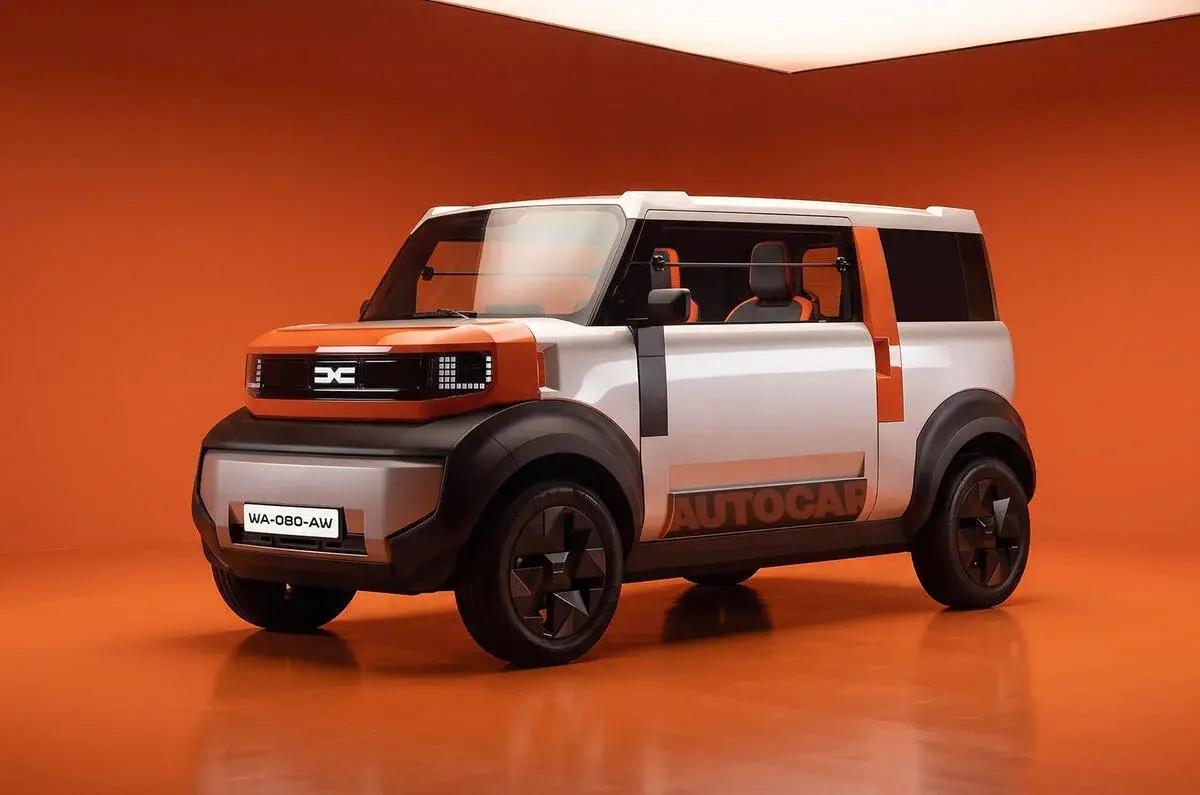
Development teams are currently exploring two distinct categories for the platform. While the primary focus is the four-seat L7e model, researchers are also investigating a two-seat L6e variant. This smaller version would potentially allow for operation by younger drivers or those without a standard license, depending on local regulations. 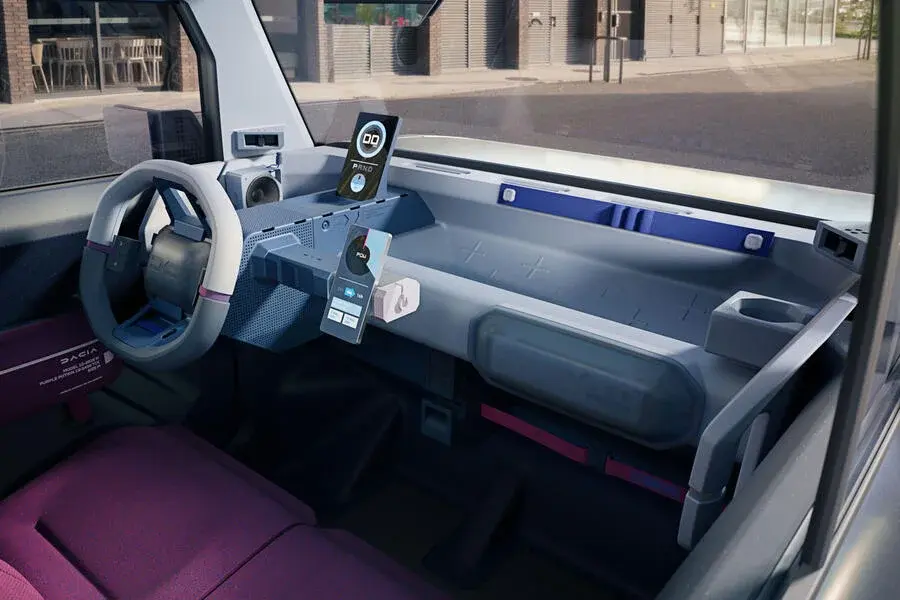 A significant portion of the cost reduction stems from the use of a modest 15 kWh battery pack, which is expected to utilize cost-efficient Lithium Iron Phosphate (LFP) chemistry.
Technical Specifications Define Vehicle Limitations
Compliance with L7e regulations mandates that the vehicle must not exceed a weight of 450 kilograms, excluding the battery pack. Furthermore, the motor output is capped at 20 horsepower, with a maximum speed limit of 90 km/h to ensure city-focused safety and efficiency. Dacia Design Director David Durand has noted that while plastic body panels are often associated with low-cost micro-cars, they can be more expensive than steel alternatives. Consequently, the engineering team is currently perfecting unique production methods that balance weight reduction with structural cost control. 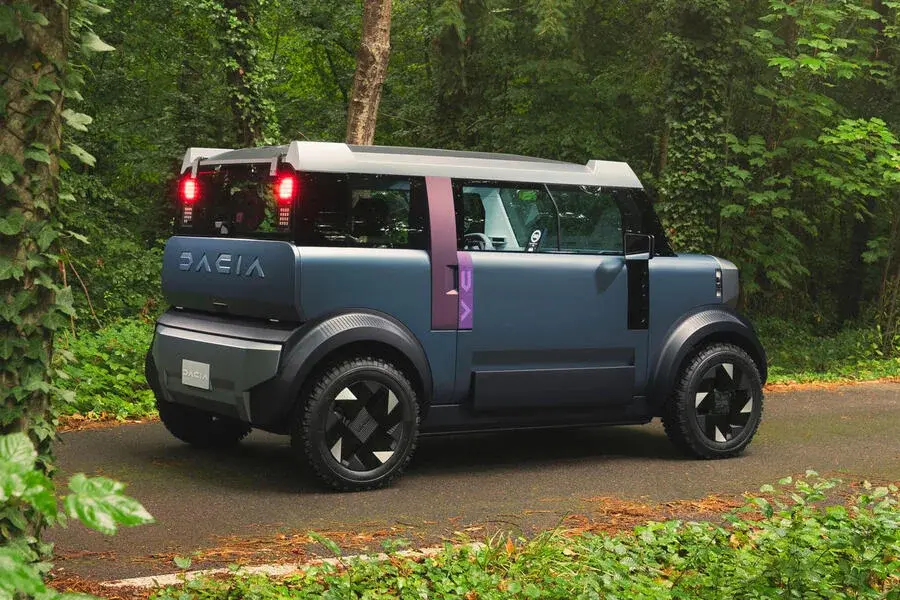
Design Evolution Shapes the Final Production Model
Leaked patent documents indicate that the final production version of the Dacia Hipster remains largely faithful to the concept showcased in 2025. The vehicle is designed with compact dimensions, measuring 3.0 meters in length, 1.55 meters in width, and 1.53 meters in height. Subtle design shifts have occurred during the transition from prototype to production, such as the replacement of the two-piece trunk lid with a single-piece door that opens to the side. Additionally, the front side windows feature a two-part design, with the lower section capable of folding upward for ventilation, similar to the functionality seen in other micro-mobility solutions.
As Dacia prepares to enter the ultra-compact electric vehicle market with the Hipster, we are curious about your perspective. Do you believe this micro-car can successfully address the challenges of modern urban congestion, or do you think the performance limitations will deter potential buyers? Share your thoughts in the comments section below.
Your comment has been submitted,
it will be published after approval.