
Electric Vehicles Overtake Gasoline and Diesel Sales in Europe

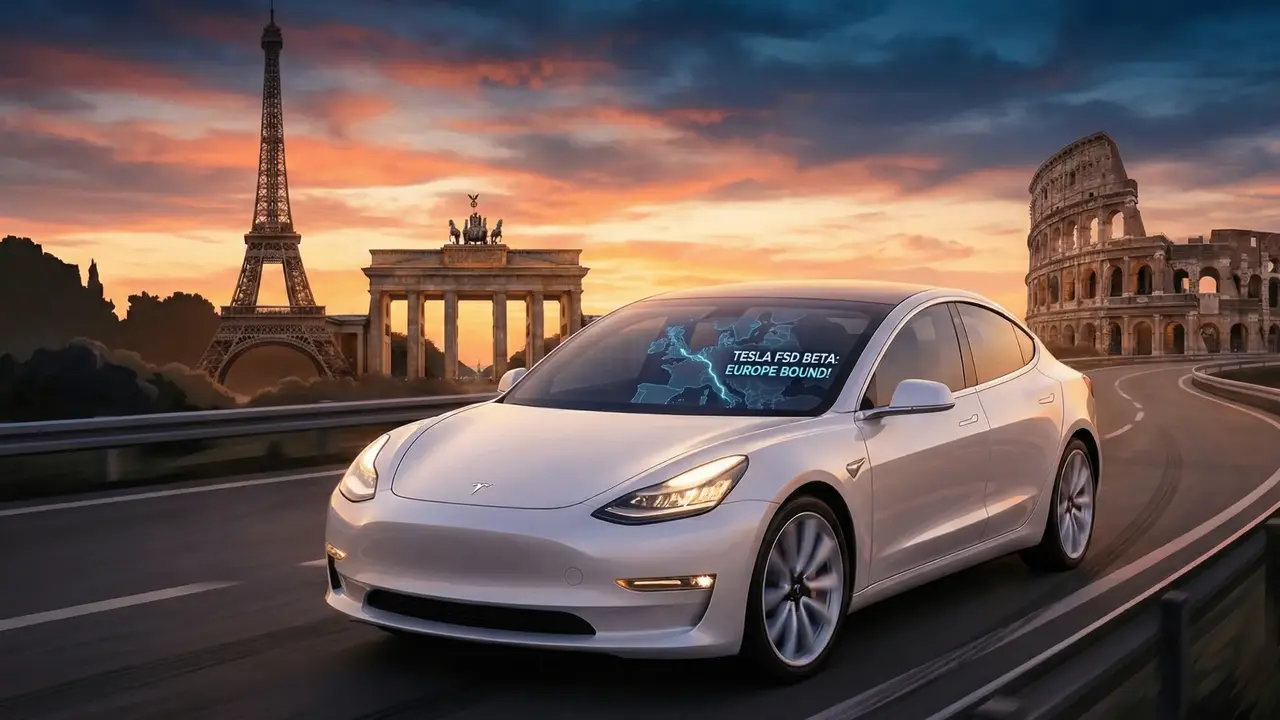
In a historic market shift, the European automotive industry officially moved past a major milestone during the first half of 2026. For the first time in history, the combined market share of fully electric and plug-in hybrid vehicles surpassed the sales volume of traditional internal combustion engine vehicles, including both gasoline and diesel models. Driven by aggressive environmental regulations and the European Union’s ambitious decarbonization goals, this transition marks a definitive move toward sustainable mobility. Automakers across the continent have rapidly accelerated their electrification strategies to align with these new market realities, effectively signaling the beginning of a post-fossil fuel era for the European transport sector.
- Electric and plug-in hybrid vehicles achieved a record-breaking market share lead in Europe.
- The market dominance of internal combustion engine vehicles experienced a significant decline.
- Strict emission regulations forced major manufacturers to prioritize large-scale electrification.
Automotive Industry Experiences a Massive Transformation
The rise of electric mobility is no longer a niche trend but a structural evolution of the industry. Supported by the European Union’s Green Deal, significant investments in infrastructure and consumer incentives have fueled this growth. Major manufacturers are systematically phasing out gasoline and diesel product lines in favor of modular, all-electric platforms.
Fossil fuel reliance is rapidly diminishing as European transportation enters a new electrified chapter.
The expansion of charging networks, coupled with significant reductions in battery production costs, has removed the primary barriers to entry for many consumers. As technology matures, the manufacturing landscape is being completely rewritten to prioritize battery-powered systems over traditional mechanical combustion engines.
Consumer Preferences Shift Toward Electric Vehicles
Modern buyers are increasingly driven by a combination of environmental consciousness and the long-term operational savings offered by electric models. While initial purchase prices were once a hurdle, fluctuating fuel costs have made the efficiency of electric drivetrains highly attractive. Governments have further solidified this shift by providing robust tax breaks and purchase subsidies that make electric vehicles more competitive than ever.
This trend represents a permanent change in purchasing behavior across major European markets. It is clear that the convenience of home charging and the reduction in mechanical maintenance requirements are compelling drivers for the average commuter.
Future Market Trends Depend on Electric Innovation
Looking ahead, industry analysts expect the dominance of electric vehicles to grow even further. Most major automotive brands have committed to fully electric portfolios by 2030, supported by multi-billion dollar investments in research and production facilities. This shift is not merely about individual car sales but represents a broader success in reducing urban pollution and fostering sustainable city transport systems.
The automotive sector is now being redefined by advanced plug-in technology.
As the infrastructure matures and grid capacity increases, the reliance on traditional fuel stations will continue to fade. This ongoing transformation ensures that Europe remains at the forefront of the global transition to clean energy transportation.
Do you believe that electric vehicles will completely replace gasoline and diesel engines in the coming decade, or will traditional fuels maintain a niche market? Please share your thoughts and personal experiences regarding this transition in the comments section below.
Your comment has been submitted,
it will be published after approval.