
FAA Officially Certifies the Boeing 737-10 MAX Aircraft

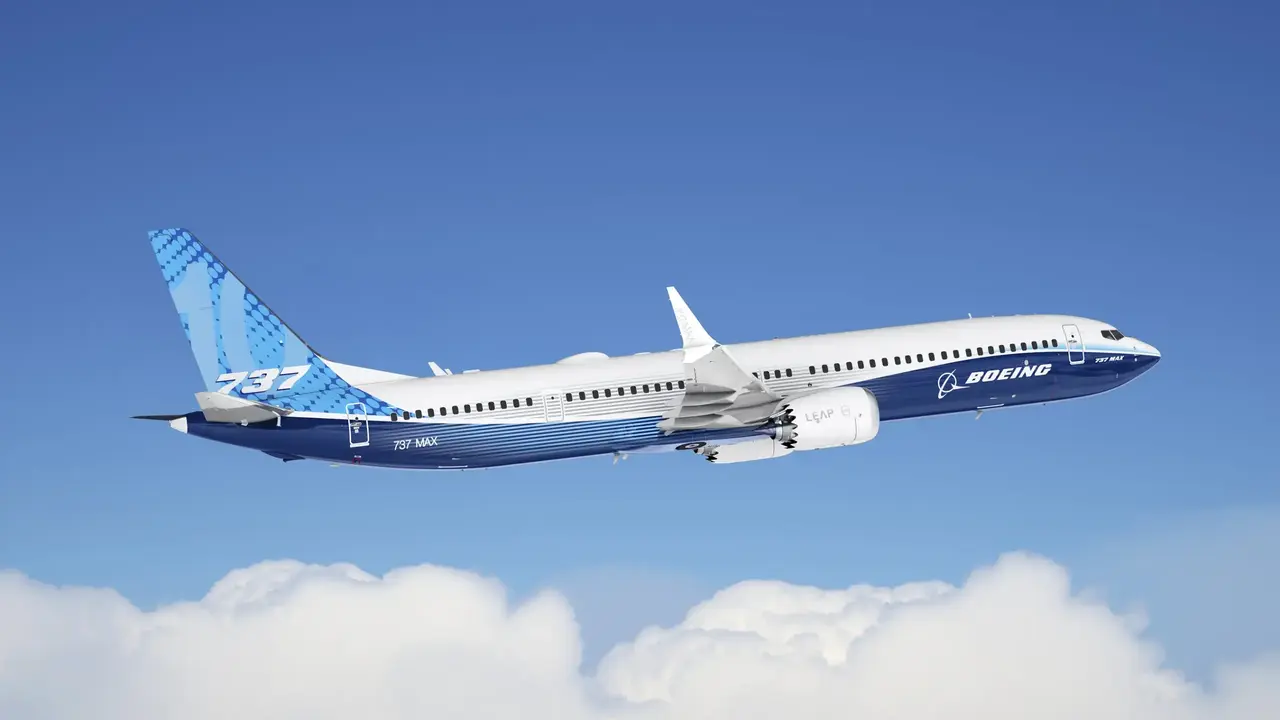
The United States Federal Aviation Administration (FAA) has officially granted certification to the Boeing 737-10, the largest and highest-capacity variant of the widely used 737 MAX family. This milestone, achieved following years of rigorous testing and regulatory oversight, marks a significant turning point for the manufacturer as it prepares to commence commercial deliveries in the coming months. The 737-10 represents the latest evolution of the narrow-body fleet, designed to offer enhanced efficiency and scale for global airline operators. By meeting stringent safety standards, Boeing has cleared the final legal hurdle required to bring this high-capacity aircraft into active commercial service.
- The FAA certification process confirms the 737-10 meets all current aviation safety requirements.
- Boeing completed over 2,000 hours of flight testing to satisfy regulatory demands.
- The aircraft features a maximum passenger capacity of 230 people in a dense configuration.
- Over 30 global airlines have placed firm orders for more than 1,500 units of this model.
New Safety Standards Define the Certification Process
The 737-10 holds the distinction of being the first commercial aircraft to receive certification under the strict guidelines of the Aircraft Certification, Safety, and Accountability Act (ACSAA), which was enacted in 2020. This legislative framework mandates a deeper evaluation of flight safety, comprehensive documentation of human factor analyses, and the verification of system security through independent methodologies.
Boeing engineering teams dedicated significant resources to comply with these enhanced safety protocols. The development phase included 1,000 hours of ground testing alongside the extensive flight program, resulting in the generation of tens of thousands of pages of technical documentation. FAA representatives reviewed these files extensively to ensure that all flight systems perform reliably under the most challenging operational scenarios.
Technical Improvements Enhance Operational Efficiency
Equipped with an advanced Angle-of-Attack (AoA) sensing system, the 737-10 integrates the standard safety architecture established for the entire MAX series. The aircraft provides substantial operational benefits, including a range of 3,100 nautical miles without the need for auxiliary fuel tanks, which represents a 365-nautical-mile increase over comparable competitor models. Furthermore, the incorporation of next-generation aerodynamics and engine optimizations results in a 20 percent reduction in both fuel consumption and carbon emissions.
From an economic standpoint, the 737-10 is engineered to provide the lowest cost per seat among current narrow-body aircraft. This efficiency is complemented by a unified cockpit and common maintenance infrastructure shared across the MAX portfolio, allowing airlines to streamline their logistics and pilot training programs effectively.
Market Demand Continues to Grow
The 737 MAX series remains a cornerstone of Boeing’s commercial portfolio, with approximately 2,500 aircraft already in service and a total order backlog of 7,350 units. The 737-10 variant accounts for more than 30 percent of these pending deliveries, reflecting strong market confidence. As it joins the existing 737-7, 737-8, and 737-9 models, the 737-10 completes a versatile lineup that allows carriers to optimize their fleet composition for various route structures.
We would love to hear your thoughts on the future of the 737-10; do you believe this aircraft will become the new industry standard for short-to-medium-haul flights? Please share your perspective in the comments section below.
Your comment has been submitted,
it will be published after approval.