
YouTube Tests Moving Dislike Button to a Hidden Menu

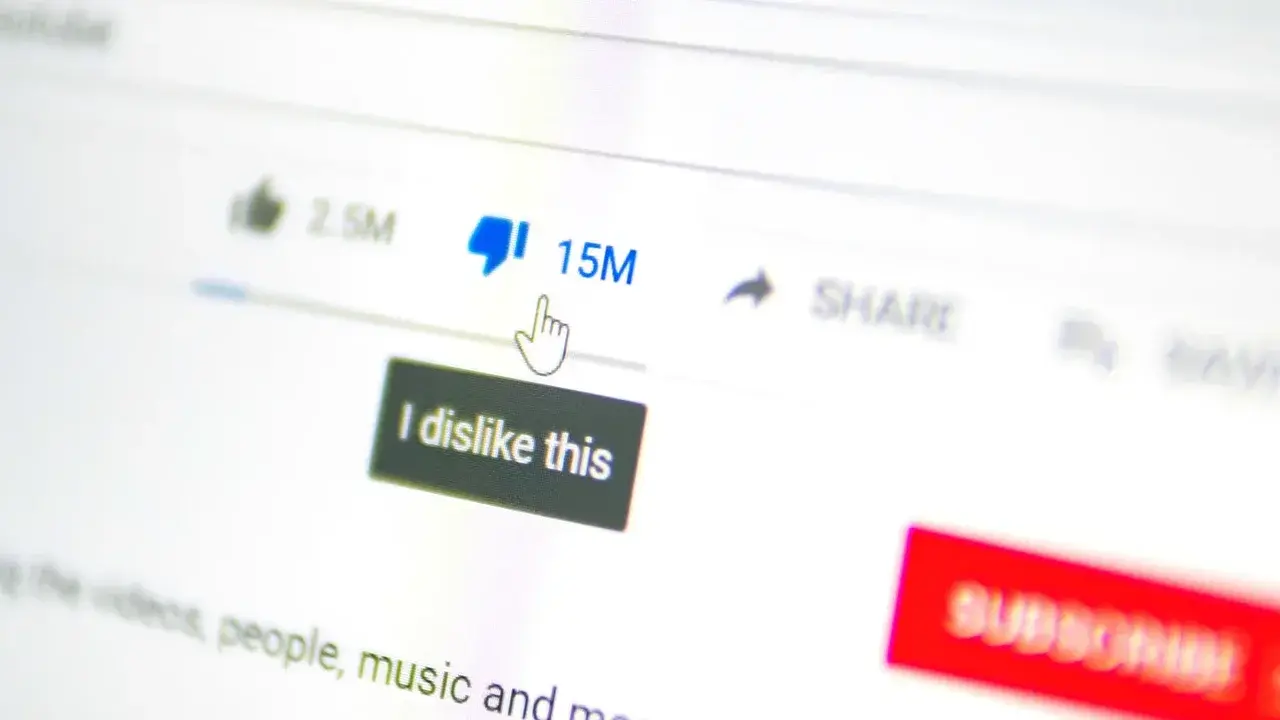
YouTube is currently testing a significant interface update that involves hiding the dislike button on standard videos, moving it from the main player interface into a secondary menu. This development, which has surfaced through recent user reports and social media discussions, follows similar restrictions previously implemented for the YouTube Shorts platform. By requiring viewers to click a three-dot menu to register a negative reaction, the platform is fundamentally altering how audiences interact with video content. This strategic shift aims to potentially protect creators from targeted harassment, though it has sparked immediate debate regarding platform transparency and user experience.
- YouTube is experimenting with a layout where the dislike button disappears.
- The platform previously removed visible counts so that creator harassment stops.
- To register a negative vote, a secondary menu is what viewers navigate.
YouTube Officials Confirm That the Interface Changes
YouTube’s relationship with the dislike button has been contentious for several years. In 2021, the company made the controversial decision to hide the public tally of dislikes on all videos. While the button remained visible at that time, the number of people who clicked it became private information accessible only to the content creator. This move was intended to prevent “dislike attacks,” where groups of users would coordinate to drive up negative metrics on specific videos or channels. However, the decision was met with widespread criticism from the community, who argued that the dislike count served as a vital signal for identifying misinformation, clickbait, or poor-quality tutorials.
Following the removal of public counts, YouTube began experimenting with the button’s placement on other formats. YouTube Shorts, the platform’s short-form video service, saw the dislike button tucked away to maintain a cleaner aesthetic and align with the fast-paced nature of the feed. Now, the platform is extending this logic to its primary video player. In current tests, some users have noticed that the dislike button has vanished from the row of icons directly beneath the video. This indicates that the platform’s approach to user feedback continuously evolves.
YouTube keeps on getting worse…
First the dislike counter got removed,
then the button got removed on YouTube Shorts,
now the dislike button on regular YouTube videos has been moved to a menu. 🫠 https://t.co/2VKtsNF5UD— Bob Pony (@TheBobPony) October 19, 2026
To Dislike a Video, the Three-Dot Menu is What Users Open
This transition represents a significant hurdle for user engagement and community feedback. By adding an extra step to the process, YouTube is effectively discouraging the use of the dislike feature. From a psychological and design perspective, “friction”—the extra effort required to complete a task—often leads to a decrease in that specific behavior. Critics argue that this is a deliberate attempt to sanitize the platform’s appearance and protect the perceived value of content, regardless of its actual quality. For many, the dislike button is not just a tool for negativity but a democratic way to filter the massive amount of content uploaded every minute.
Without an easily accessible dislike button, the burden of quality control shifts almost entirely to the comments section or the algorithm itself. Many users rely on the dislike-to-like ratio to determine if a software tutorial is helpful or if a news report is considered credible by the community. By hiding the button further, YouTube may be inadvertently making it harder for viewers to distinguish between high-quality content and misleading videos. As a result, the way audiences perceive video reliability shifts.
To Prevent Targeted Harassment, the Platform Strategy Continues
On the other side of the debate, YouTube maintains that these changes are necessary for maintaining a healthy and supportive ecosystem. Content creators, particularly smaller ones or those covering sensitive topics, have often reported that visible or easily accessible negative feedback can be demoralizing and lead to burnout. By moving the button, the platform may be trying to ensure that only those who feel strongly enough to navigate a menu will leave a dislike, potentially filtering out impulsive or malicious interactions that do not reflect the content’s actual merit.
This approach aligns with a broader trend among social media companies to de-emphasize negative metrics. By reducing the visibility of “dislikes” or “downvotes,” platforms hope to foster a more positive environment that encourages creators to post more frequently without the fear of public shaming. However, the balance between creator protection and viewer utility remains a delicate one that YouTube has been trying to strike for over a decade. The tension between these two goals persists.
As Feedback Tools are Hidden, Content Transparency Decreases
This test phase is currently limited to a specific subset of global users, and the company is actively gathering data and feedback to determine the next steps. YouTube has not yet announced a timeline for a wider rollout, but the reaction from the community has already been vocal. Many tech enthusiasts and long-time users see this as another step toward a less transparent internet where platform owners control the narrative of what is considered “good” content.
As the test continues, the data will likely show a decrease in the total number of dislikes registered. Whether YouTube interprets this as a success in reducing harassment or a failure in user engagement remains to be seen. The company must weigh the benefits of a cleaner interface and protected creators against the potential loss of a critical feedback loop that has defined the platform since its inception. Ultimately, the future of the dislike button depends on how the user base reacts.
How do you feel about the dislike button being moved to a hidden menu? Do you think this change will help protect creators, or will it make it harder to find quality content? Let us know your thoughts in the comments below!
Your comment has been submitted,
it will be published after approval.