
Foldable iPhone Hints Appear in iOS 27 and macOS 27

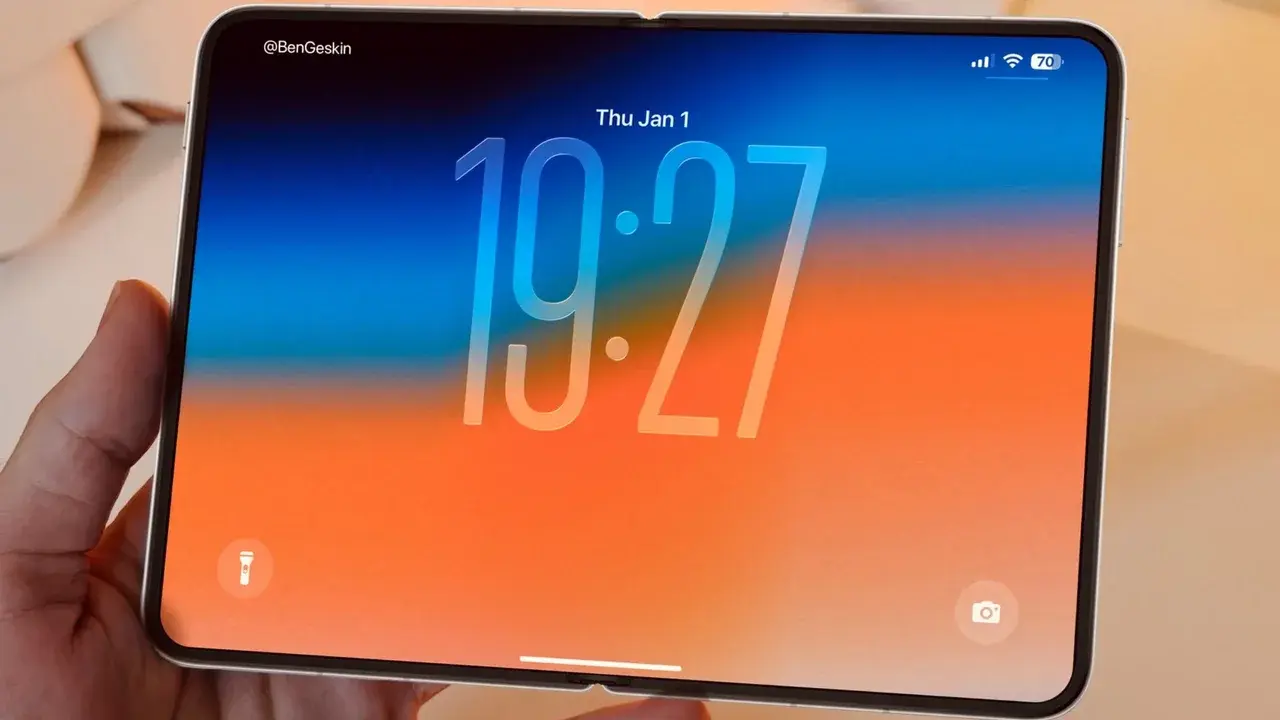
At the recent WWDC26 conference, Apple unveiled iOS 27 and macOS 27, introducing significant software advancements that strongly suggest the development of a long-awaited foldable iPhone. These new operating systems contain explicit interface adjustments and code-level preparations that point toward a hardware shift within the company’s mobile lineup. By integrating features designed for flexible screen geometries, Apple is signaling that its ecosystem is finally aligning with the requirements of a foldable form factor. This strategic move indicates that the technology giant is preparing its software foundation to support a device that bridges the gap between its standard smartphone and tablet experiences.
- iOS 27 and macOS 27 contain specific code references and interface modifications tailored for foldable hardware.
- The updated iPhone Mirroring application in macOS 27 allows for a dynamic, expandable screen layout reminiscent of tablet functionality.
- Apple is reportedly developing a foldable device, potentially branded as the iPhone Ultra, to compete in the emerging flexible display market.
Software Updates Reveal Foldable Hardware Intentions
The most compelling evidence for a foldable iPhone stems from the updated iPhone Mirroring feature within macOS 27. Unlike its predecessor in the macOS 26 version, this iteration allows users to expand the mirrored interface dynamically. This fluid adjustment mimics the behavior of a foldable device transitioning from a compact state to a full-screen display. By enabling this level of flexibility, Apple is effectively testing how its existing applications will scale across varying screen aspect ratios. 
These software architectural changes provide the strongest evidence to date that Apple is actively finalizing its foldable hardware strategy.
Furthermore, the introduction of full-screen widget support in iOS 27 serves as another critical component of this strategy. Industry analyst Mark Gurman has highlighted these changes as deliberate preparations, noting that the underlying code explicitly mentions structures designed for folding screens. These developments suggest that the operating system is being engineered to handle dual-display or continuous folding interfaces seamlessly. 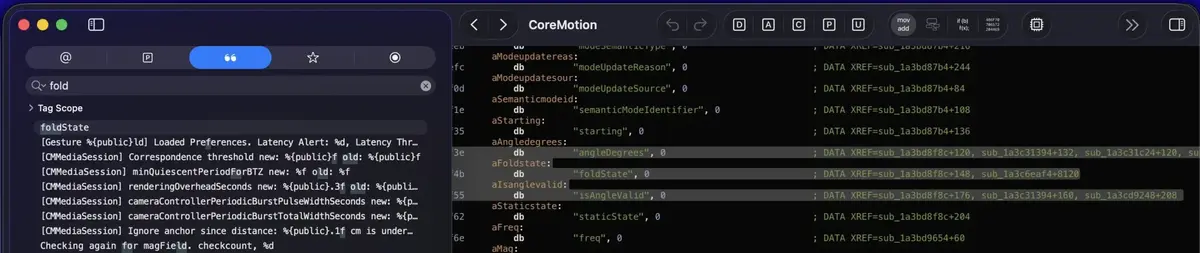
Expectations for a Future iPhone Ultra Grow
As the industry looks toward the upcoming release of the iPhone 18 Pro series, speculation regarding a premium foldable model, often referred to as the iPhone Ultra, has intensified. Reports suggest that this device will likely adopt a horizontal folding mechanism, distinguishing it from existing market competitors. Apple is focusing heavily on ensuring that its current software ecosystem, including the next-generation Siri and refined multitasking capabilities, remains consistent regardless of the device’s physical configuration.
The integration of these features across iPadOS 27 and iOS 27 underscores a unified vision for Apple’s hardware future. By ensuring that the software layer is ready well in advance, the company aims to provide a polished user experience the moment its foldable hardware hits the market. The transition toward a more adaptable interface suggests that the brand is prioritizing both utility and luxury in its next major hardware evolution.
The shift toward adaptive software interfaces indicates that the hardware transition is likely approaching the final stages of development.
We are curious to hear your perspective on this major shift; do you believe a foldable iPhone will truly revolutionize the smartphone industry, or is it just another passing trend in the mobile market? Share your thoughts in the comments section below.
Your comment has been submitted,
it will be published after approval.