
Google has made a clear decision regarding Google Gemini ads, officially stating there are no plans to introduce them. This announcement comes as its main competitor, OpenAI, begins testing advertisements within ChatGPT, marking a significant strategic difference between the two AI giants in their approach to user experience.
Google’s Stance on Gemini Ads vs. OpenAI’s Strategy
While OpenAI is exploring ways to generate revenue from the free version of ChatGPT, which serves 800 million users weekly, Google is taking a different path. The company believes that keeping its AI assistant free from commercial elements will build user trust and maintain a competitive edge. Dan Taylor, Google’s Vice President of Global Ads, described the Search engine and Gemini as complementary tools with distinctly different roles.
According to Google, its Search engine is designed for exploring commercial interests, such as finding new products or services. In contrast, Gemini is positioned as a personal assistant focused on helping users create, analyze, and complete tasks. Therefore, Google is directing its advertising efforts toward search-based products like AI Overviews, which serves over 2 billion users monthly, rather than integrating them directly into Gemini.
OpenAI’s Push for Monetization with ChatGPT Ads
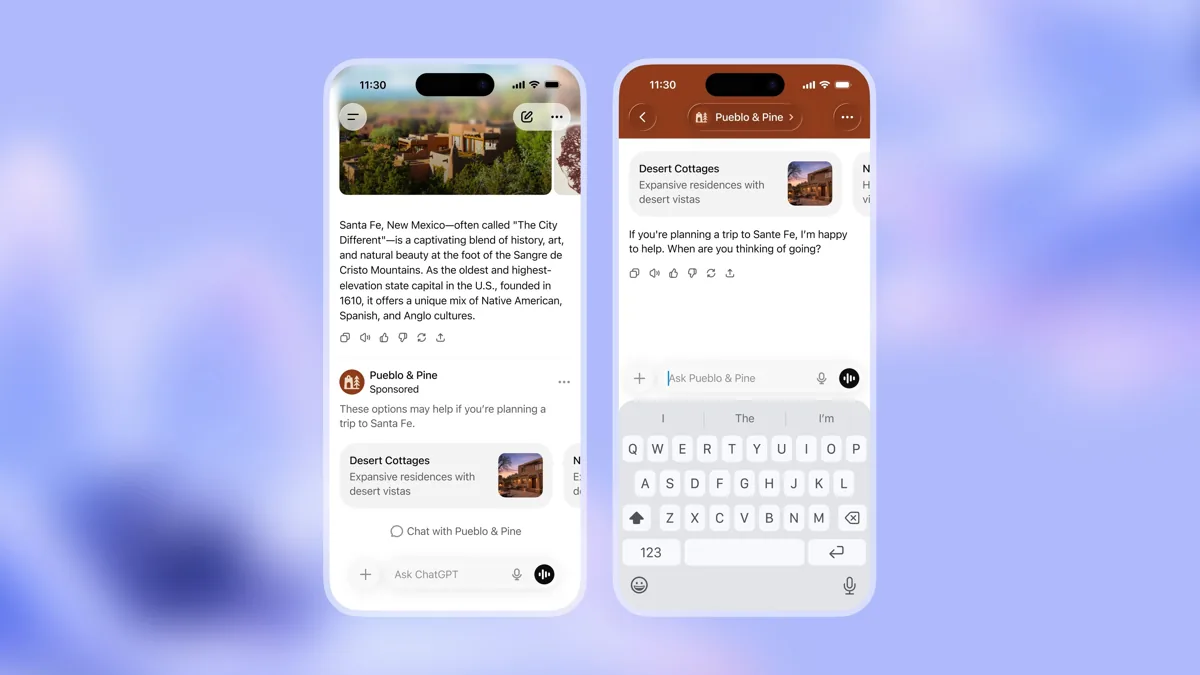
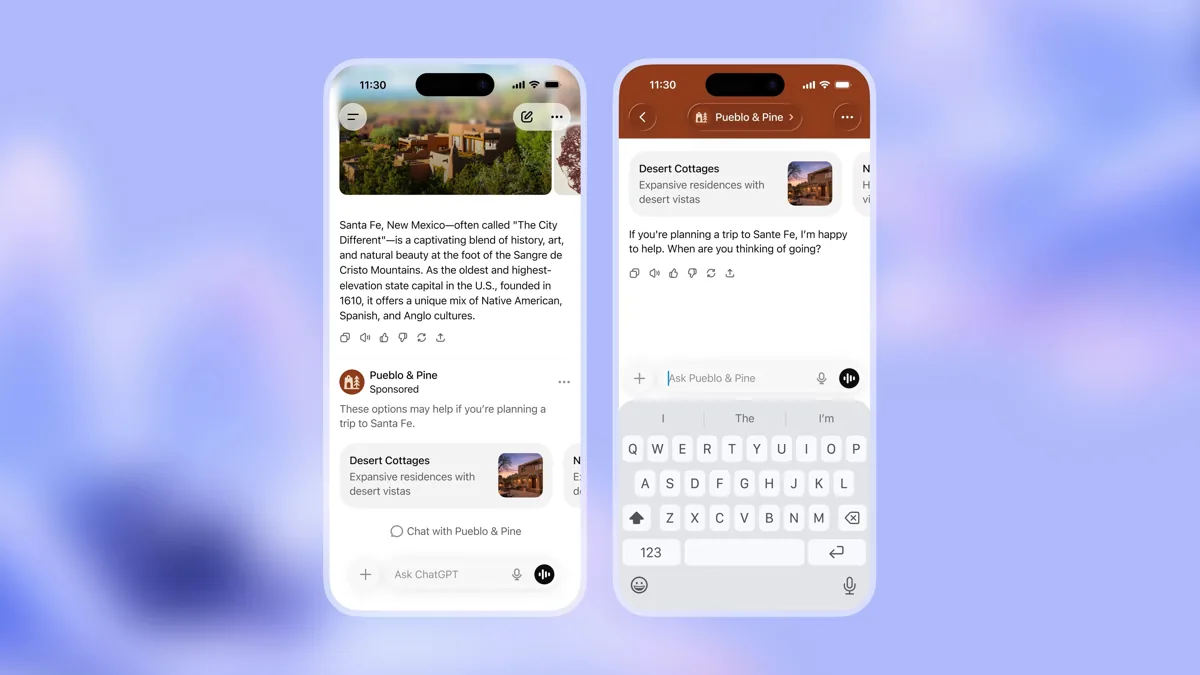
On the other hand, OpenAI has announced it will start testing ads that appear below ChatGPT’s responses for users in the United States. Furthermore, the company has launched a new subscription tier named ChatGPT Go, which costs $8 per month and includes ads. Only premium subscribers paying $20 or more per month will continue to enjoy an ad-free experience. Technology analysts predict that this move by OpenAI could potentially drive users toward the ad-free experience offered by Gemini.
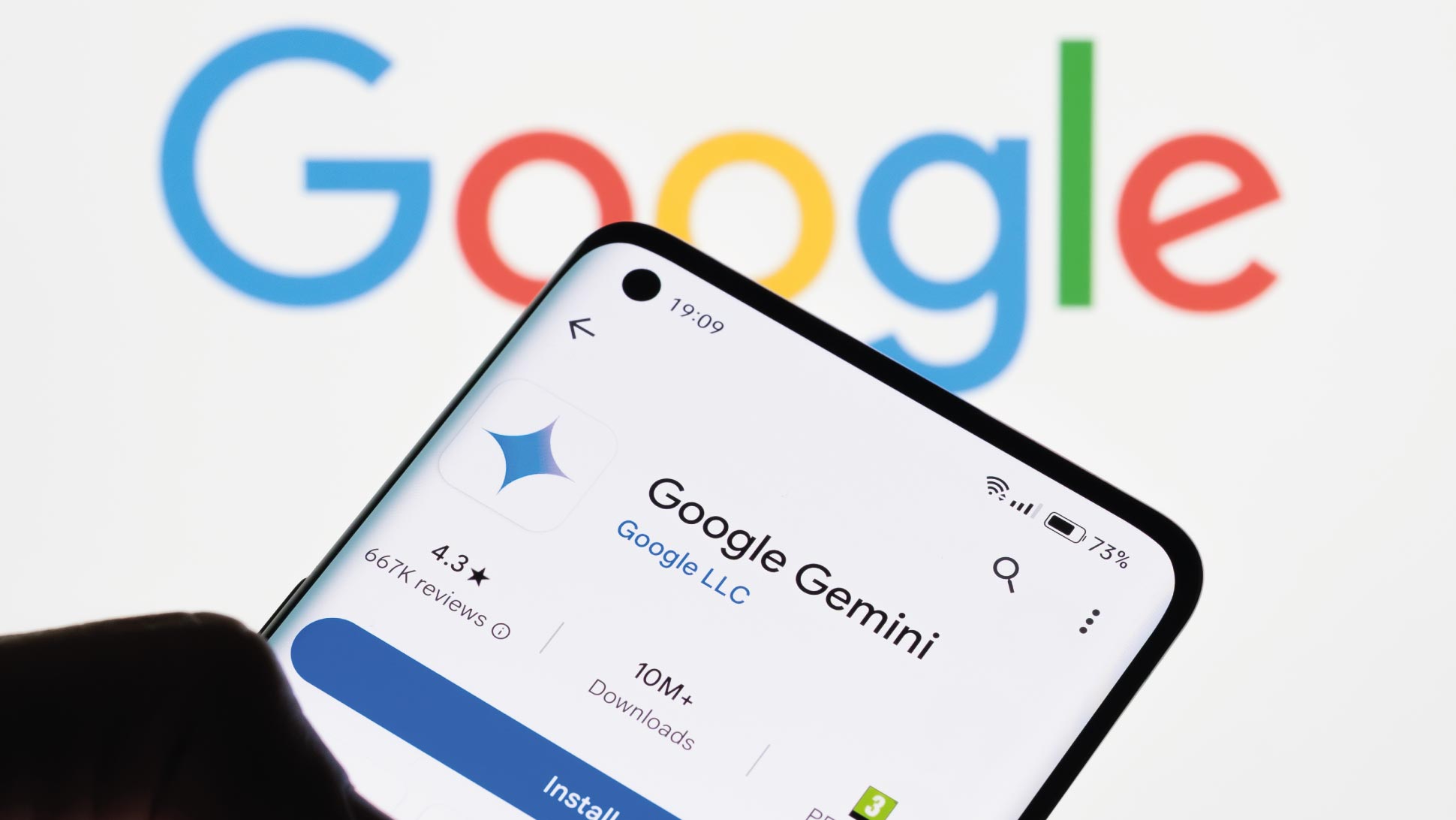
From a financial perspective, Google’s highly profitable search advertising business provides it with significant flexibility. OpenAI, however, is reported to have annual expenses in the billions, with its cash needs expected to reach $17 billion by 2026. With Gemini’s monthly active users reaching 650 million, Google appears willing to forgo short-term ad revenue to avoid losing its rapidly growing user base.
So, what are your thoughts on this strategic difference in AI assistants? Share your opinions with us in the comments!