
Google Transforms Old Smartphones Into Powerful AI Servers


Google has launched an innovative sustainability initiative in partnership with the University of California, San Diego (UCSD) to address the global hardware shortage by repurposing retired smartphones into high-performance Google AI servers. As demand for massive computational power for generative AI models like Gemini and ChatGPT continues to soar, this project seeks to mitigate rising infrastructure costs and environmental impact. By stripping down thousands of decommissioned mobile devices to their core motherboards, researchers are creating a modular, energy-efficient computing cluster designed to handle complex data processing tasks that would otherwise require expensive, traditional data center hardware.
- Google and UCSD researchers are repurposing thousands of discarded smartphones into functional AI server components.
- The project aims to reduce the carbon footprint of data centers by leveraging the energy efficiency of mobile processors.
- A prototype cluster successfully managed cloud computing loads for over 75 students without experiencing any latency.
- The team plans to deploy a large-scale system consisting of 2,000 Pixel phone motherboards by this autumn.
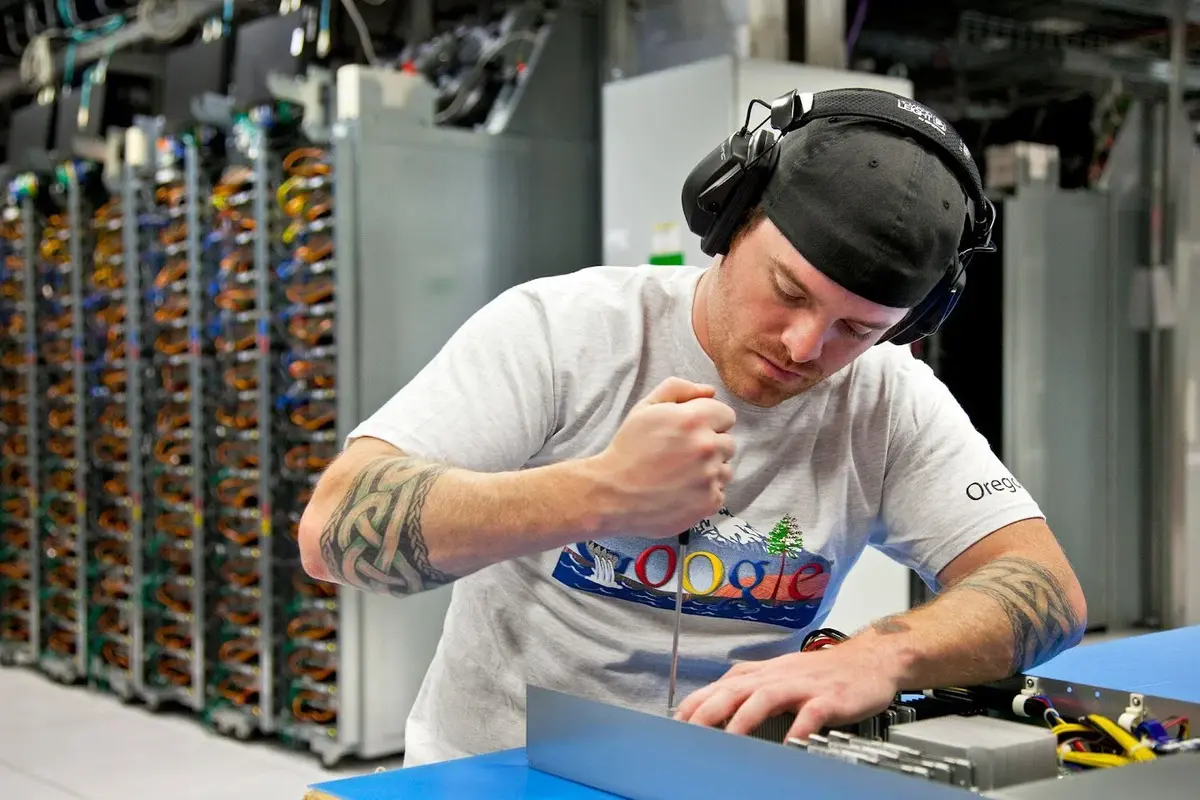
Engineers Extract Core Components for Server Clusters
The transformation process begins by removing redundant hardware from the smartphones, including screens, cameras, batteries, and outer casings, which are unnecessary for server operations. These stripped motherboards are then mounted onto custom-designed racks and interconnected via a high-speed local network infrastructure. By utilizing a Linux-based operating system optimized for distributed computing, the researchers have created an environment that can manage intense computational loads effectively.
Mobile processors are inherently designed to maximize performance while minimizing power consumption, making them ideal candidates for sustainable server architecture.
Prototypes Demonstrate Significant Computational Efficiency
The technical success of this initiative relies on the high single-core performance of modern mobile chips. Because these processors operate at a fraction of the energy consumption levels of traditional data center CPUs, they offer a viable path toward greener technology. During initial pilot testing at UCSD, a small cluster of just 20 devices demonstrated impressive stability, successfully handling simultaneous cloud operations for dozens of students with zero lag. {{WP_IMAGE_2}}
Large-Scale Clusters Will Debut This Autumn
Looking ahead, the development team has set an ambitious target for the next phase of the project. By late autumn, they intend to integrate 2,000 Pixel smartphone motherboards into a single, cohesive industrial-scale computing cluster. Analysts estimate that this collective unit will provide processing power equivalent to 50 standard enterprise-grade servers. This move represents a significant step toward tackling the global e-waste crisis while simultaneously alleviating the ongoing hardware procurement bottlenecks that plague the tech industry.
If successfully scaled, this model could redefine how global technology companies approach infrastructure replenishment and environmental responsibility.
As this pilot program evolves, it may establish a new industry standard for sustainable computing infrastructure. If widely adopted, the technology could allow old devices currently sitting in drawers to serve as the backbone for the world’s most sophisticated AI algorithms. This shift would not only extend the lifecycle of consumer electronics but also fundamentally alter the economics of cloud computing.
Do you think repurposing old mobile hardware is a viable long-term solution for the growing demands of artificial intelligence, or should companies focus exclusively on building new, specialized server hardware? Share your thoughts in the comments section below.
Your comment has been submitted,
it will be published after approval.