
Google Translate Integrates New Smart Assist Voice Cleaning Feature

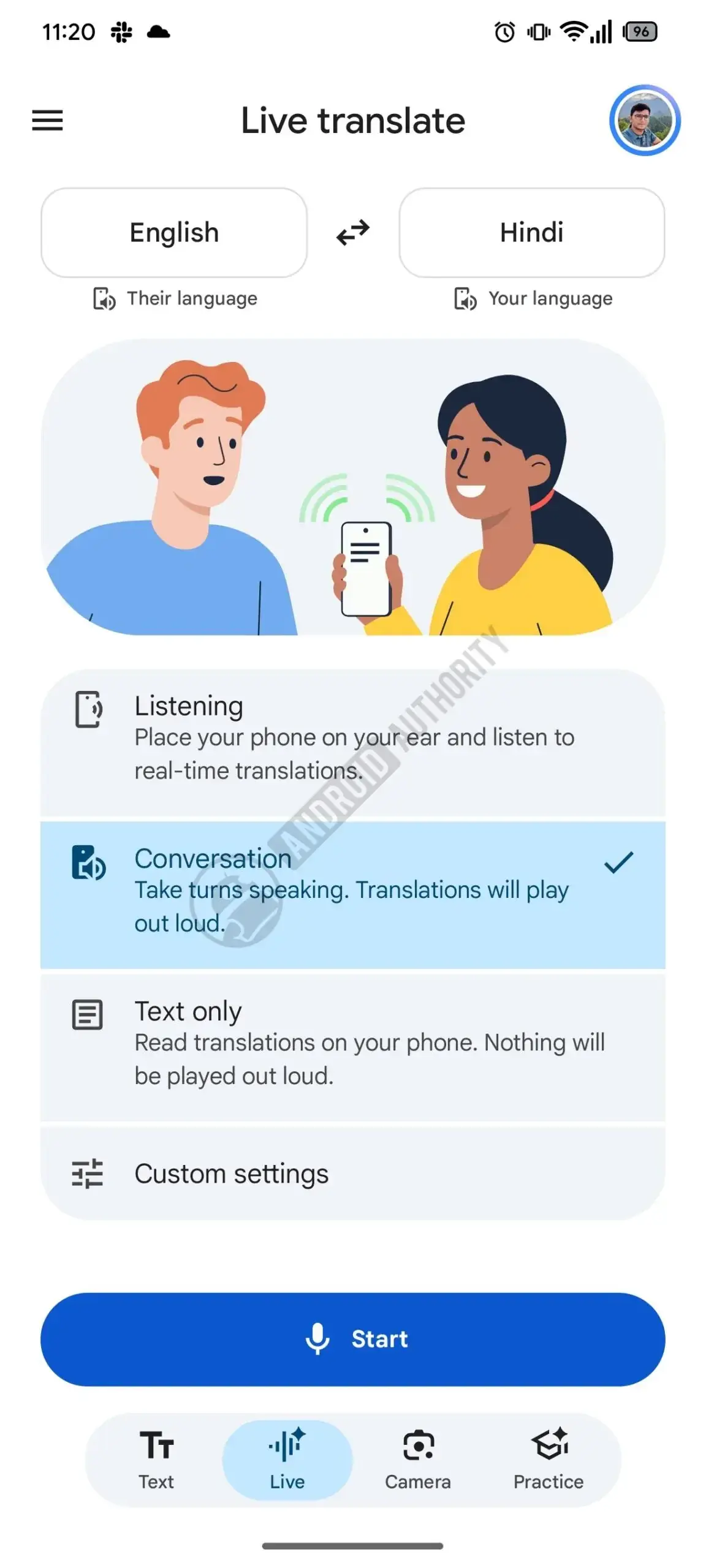
Google is currently developing a new “Smart assist” feature for Google Translate, specifically designed to enhance voice translation accuracy by filtering out filler words and speech disfluencies. Identified within the application’s latest 10.39.34.995726622.4-release version, this upcoming tool aims to replicate the functionality of the “Rambler” feature found in Gboard. By automatically cleaning up speech inputs before they are processed by the translation engine, the system seeks to provide more concise and accurate translations. This initiative represents a significant step in improving user experience by allowing the software to focus on the core message rather than conversational noise.
- The Smart assist feature will allow users to toggle between literal translation and cleaned input modes via the settings menu.
- The functionality is reportedly restricted to the Speech mode of the Google Translate application.
- Code analysis suggests the feature remains in the early stages of development and is not yet available to the public.
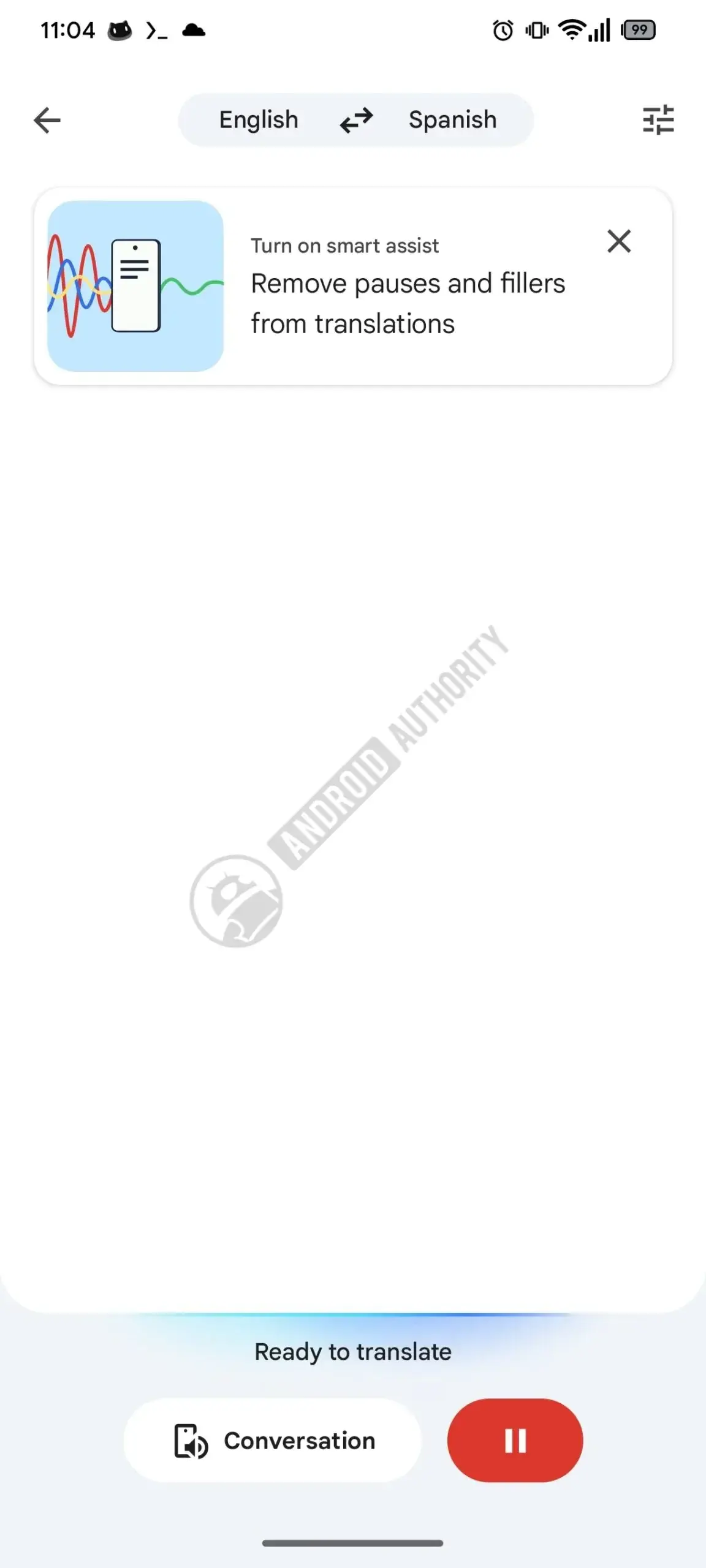
New Cleaning Mode Enhances Translation Accuracy
The introduction of the Smart assist mode marks a deliberate attempt by Google to refine the voice-to-text translation pipeline. Currently, speech recognition systems often struggle with the natural filler words and repetitions common in human conversation. By implementing a cleaning layer, the application ensures that the translation engine receives a structured input, which is expected to yield higher quality outputs in various languages. 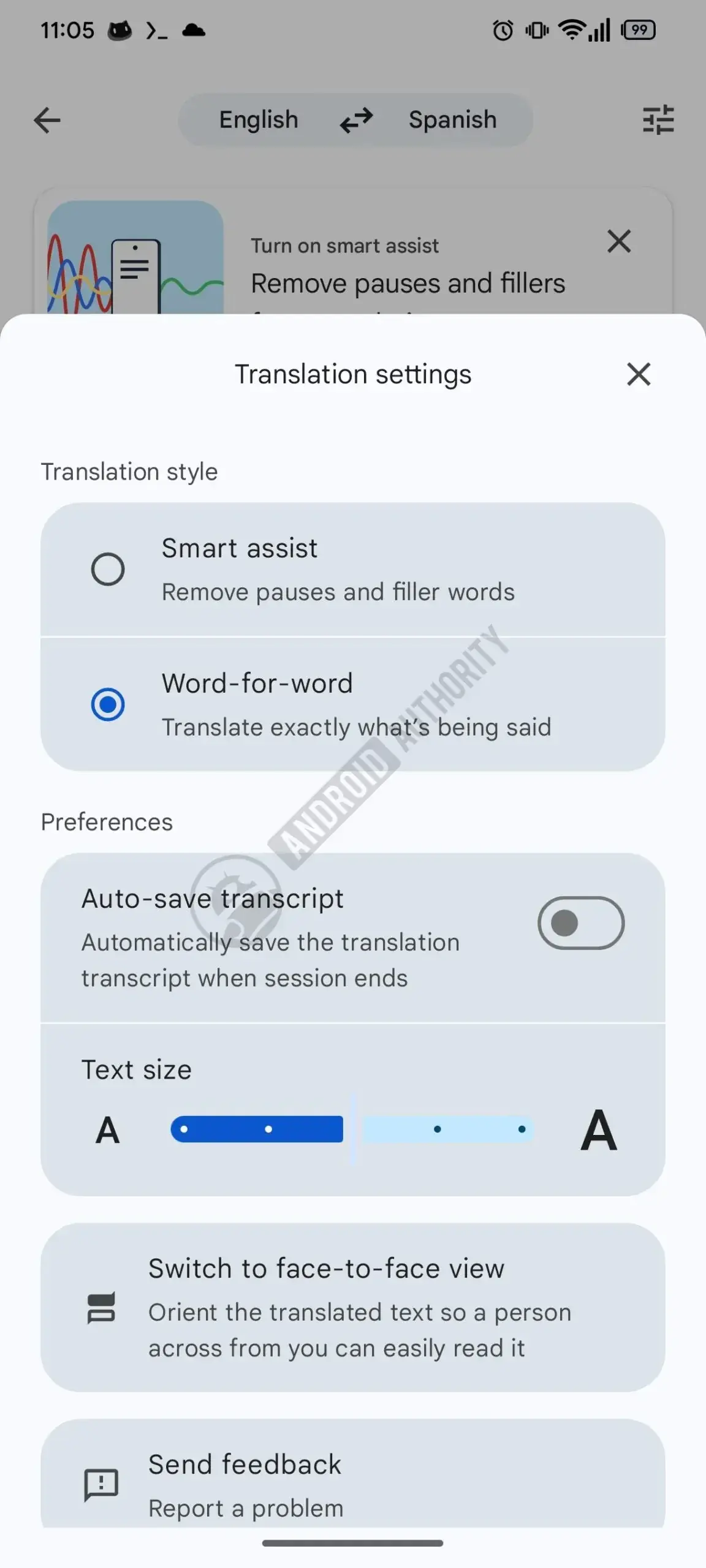
Users will have the flexibility to choose their preferred processing method. Within the app’s settings, one can opt for a direct, word-for-word translation or enable the Smart assist mode for a refined, professional output. This level of customization ensures that the tool remains versatile for different communication needs, whether they be casual dialogues or formal speech translations.
Feature Availability Remains Limited at This Stage
While the code has been uncovered by eagle-eyed developers through APK teardowns, Google has not yet provided an official timeline for the public release of this feature. There is also uncertainty regarding hardware compatibility and potential offline functionality. Currently, the source technology known as Rambler, which powers this logic, is exclusive to certain high-end devices like the Pixel 11, raising questions about whether Smart assist will be limited to specific hardware or rolled out to the broader Android ecosystem. 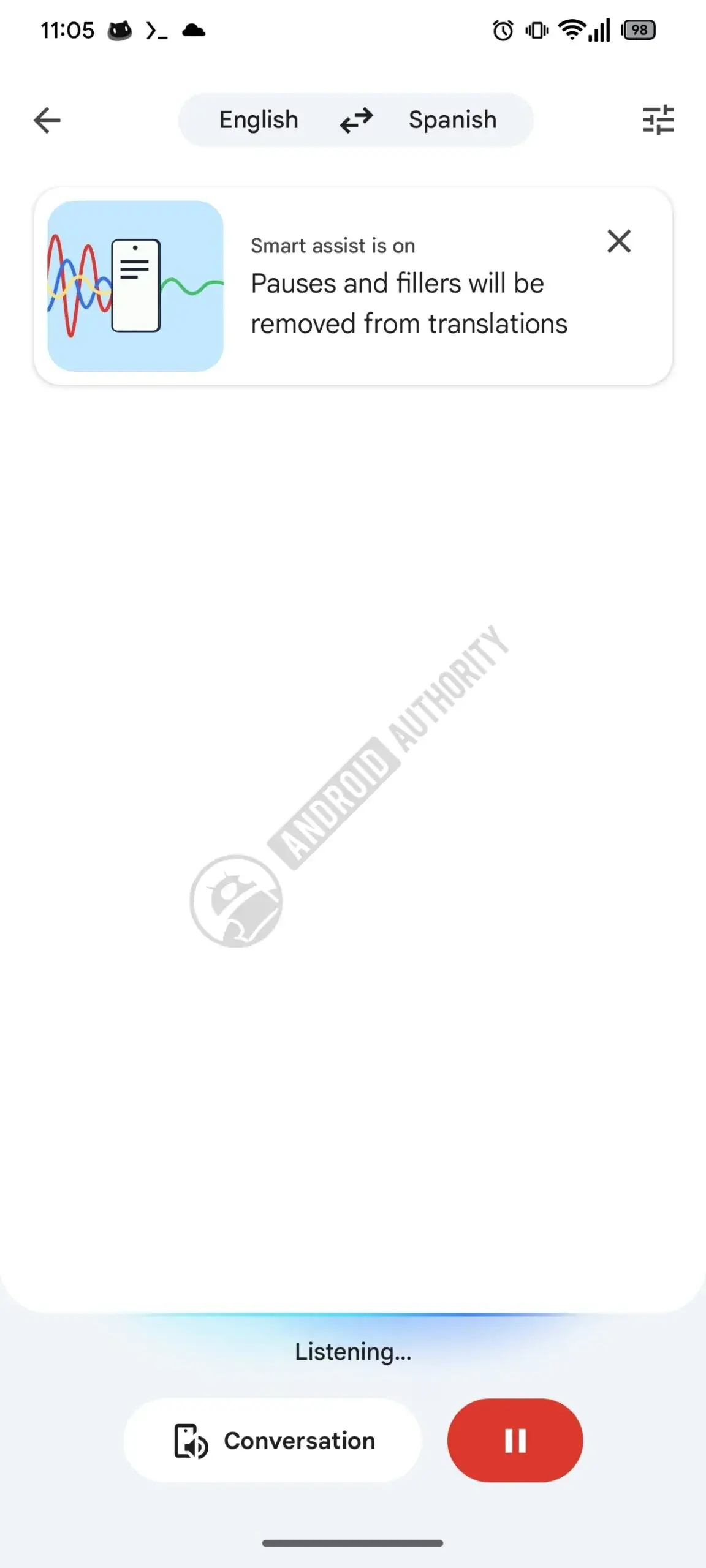
Technical Implementation Challenges Continue
Developmental progress is ongoing, and as with many features discovered in pre-release code, there is no guarantee that Smart assist will reach the final stable version of the app. The limitation to the Speech mode specifically excludes other functionalities like the “Listen” or “Text-only” modes, suggesting that the logic is heavily reliant on real-time acoustic analysis. 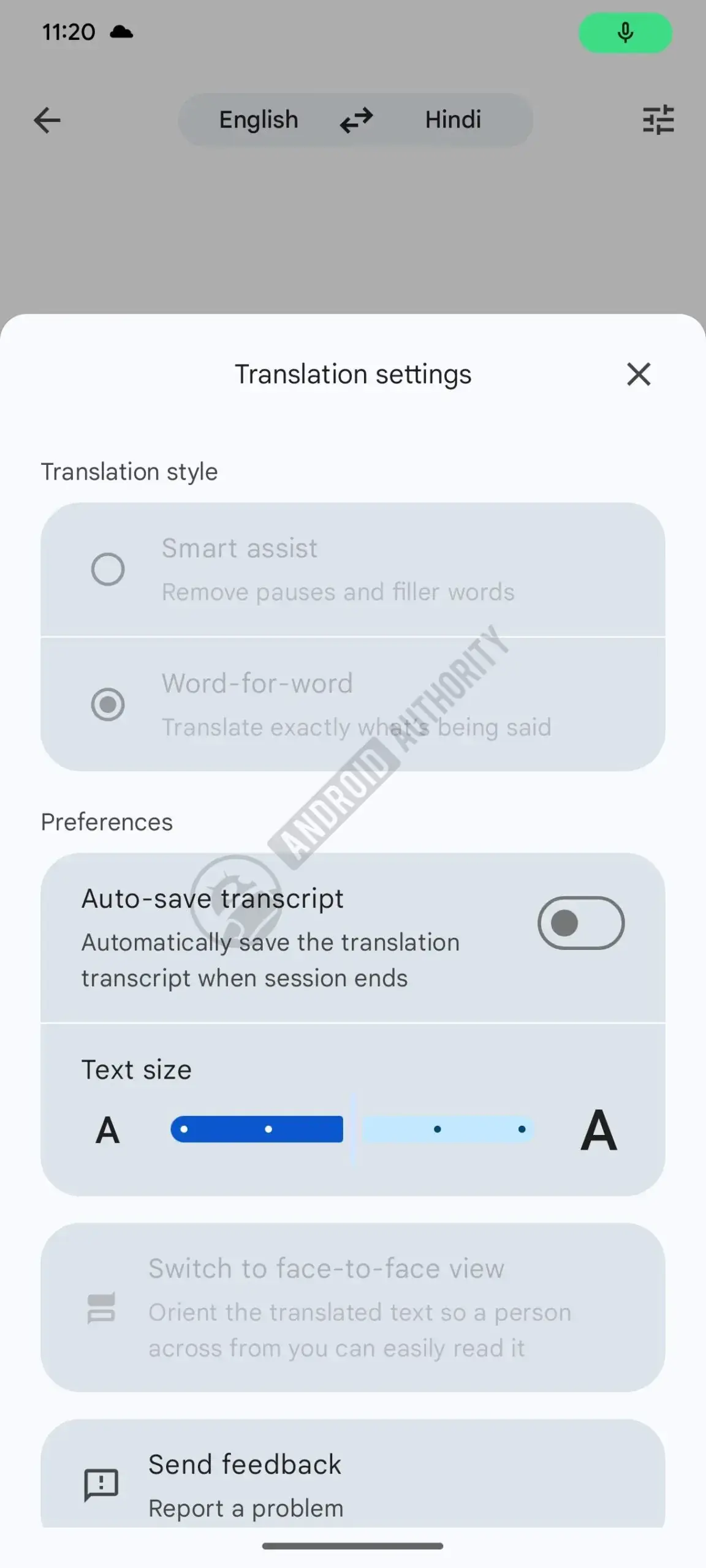
The tech community views this development as a promising evolution in machine translation. By reducing the complexity of conversational inputs, Google hopes to bridge the gap between human speed and machine precision. As the company continues to refine its linguistic models, the integration of such advanced preprocessing steps will likely become a standard expectation for users who rely on voice translation for their daily interactions.
We are curious to hear your thoughts on this upcoming update. Do you believe that the automatic removal of filler words will significantly improve the accuracy of your voice translations, or do you prefer the literal approach? Share your opinions in the comments section below.
Your comment has been submitted,
it will be published after approval.