
Intel is not giving up on graphics cards

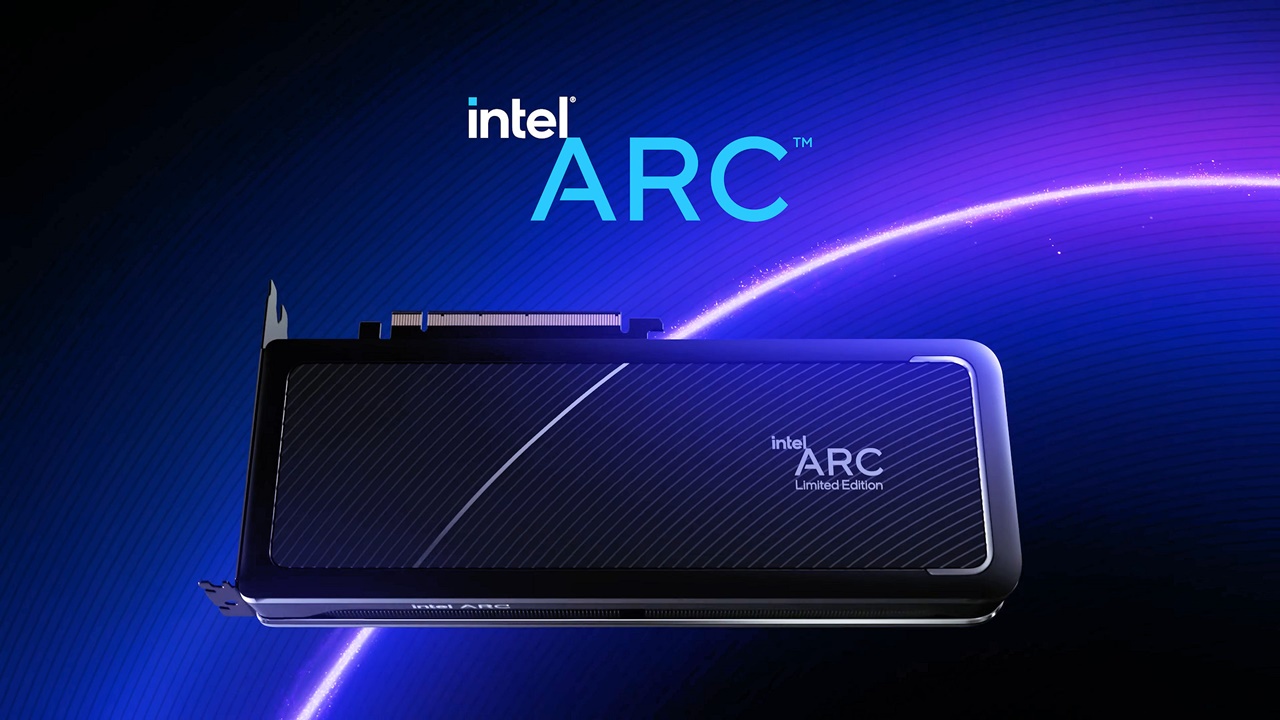
Intel, which has taken a big hit in the graphics card market and its market share has almost zeroed out, is preparing to make a radical change. Intel could use the same chiplet design used in its CPU architecture for GPUs, according to a new patent application.
Intel may develop graphics cards with chiplet design
As graphics processors increase in complexity, chipmakers such as Intel and AMD are looking for innovative designs to improve performance and efficiency. Recent patent filings showed that Intel is exploring the possibility of producing GPUs using the “chiplet” approach, similar to CPUs.
A chiplet-based GPU consists of separate processor parts, or chiplets, containing different parts of the GPU, connected together over the same silicon junction. This modular design can offer many advantages over monolithic GPUs. Each chiplet can be optimized for different tasks such as graphics, AI or ray-tracing. The chiplet GPU also makes it possible to add new chiplets over time to improve performance.
From China comes a competitor that will anger Intel and AMD!
The possibility of customization is another important advantage of the chipset architecture. Manufacturers can offer chipset configurations according to different market segments and price tags. For high-end graphics cards, more processing chipsets can be added, while for laptop GPUs, fewer chipsets may be sufficient.
However, the realization of chipset GPUs poses significant technical challenges. Developing an interconnect layer fast enough to connect multiple real-time processing units is a challenge. The assembly and yield of multiple chiplet modules is also more complex than a single die.
Your comment has been submitted,
it will be published after approval.