
iPhone 18 Pro to Feature A20 Pro with 96-bit LPDDR6 Memory

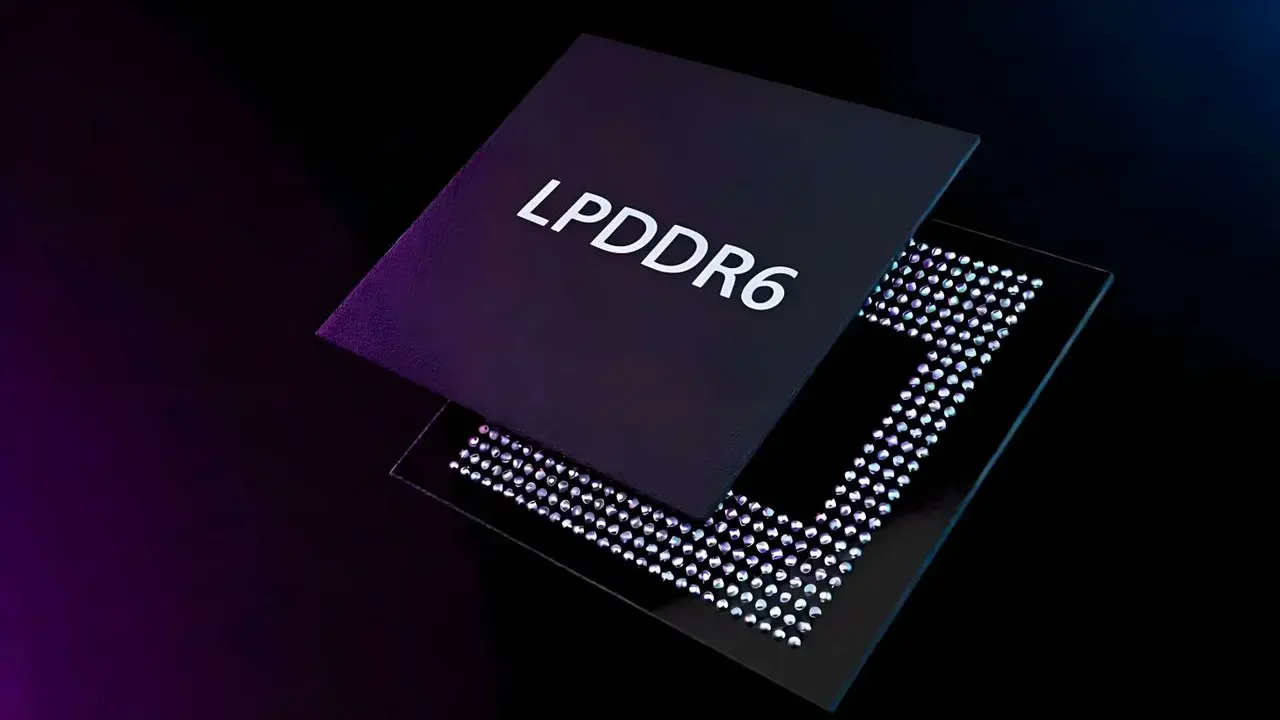
Apple is reportedly preparing a significant hardware overhaul for the upcoming iPhone 18 Pro and Pro Max models by integrating the A20 Pro chip, which is expected to shift the device architecture to a 96-bit LPDDR6 memory bandwidth. This transition marks the end of a 13-year reliance on the 64-bit standard, signaling a major evolution in how Apple manages data processing for high-intensity tasks. Industry analysts suggest that this shift is specifically designed to bolster the performance of on-device artificial intelligence models and the next generation of Siri. By increasing the memory bus to 96-bit, Apple aims to significantly reduce bottlenecks, providing the necessary bandwidth to handle complex local LLM operations effectively.
- Apple is moving away from a 13-year-old 64-bit memory architecture in favor of a 96-bit LPDDR6 interface for the A20 Pro chip.
- The transition to 96-bit technology aims to enhance the performance of on-device artificial intelligence and local Siri processing capabilities.
- DRAM production costs for the iPhone 18 Pro are estimated to rise significantly from 39 dollars to 145 dollars per unit.
- Apple is reportedly utilizing lower-cost QLC NAND storage in higher-capacity 1TB and 2TB models to balance the increased expenses of the new memory hardware.
The shift to 96-bit LPDDR6 represents a major architectural leap for mobile performance.
New Memory Standards Enhance Processing Capabilities
The technical shift toward a 96-bit bus is a calculated move to optimize memory-bound operations. While previous generations of mobile devices struggled with the limitations of 64-bit bandwidth, the A20 Pro is engineered to bypass these constraints. Experts have noted that although LPDDR5X RAM modules often require more physical space to achieve such specifications, the LPDDR6 standard provides the required 96-bit support within a more compact footprint. This allows Apple to maintain the thin profile of the iPhone 18 Pro while drastically increasing data throughput.
Leaked schematics of the A20 Pro indicate that the DRAM footprint remains manageable, confirming that Apple is prioritizing efficiency alongside raw power. As Apple Intelligence grows more demanding, the internal bandwidth must keep pace with the increasing computational load required for real-time natural language processing.
Hardware Upgrades Influence Component Costs
The integration of advanced memory technology carries a substantial financial burden. Reports suggest that the DRAM component cost for the iPhone 18 Pro could skyrocket from the 39 dollars seen in the iPhone 17 Pro to as much as 145 dollars. This triple-digit increase forces the company to reconsider its overall bill-of-materials strategy to maintain profit margins without alienating the consumer base.
Apple is balancing high-performance memory costs by optimizing storage component selection.
Storage Strategies Mitigate Financial Impact
To offset the surging costs of the A20 Pro’s memory architecture, Apple is adjusting its storage procurement strategy. While the company will continue to utilize higher-end TLC NAND for the entry-level 256GB and 512GB variants, it is reportedly pivoting to QLC NAND for the 1TB and 2TB models. This choice allows the tech giant to achieve a more favorable balance in its production expenses while still offering massive storage capacities to power users. The move reflects a broader trend of balancing cutting-edge performance with supply chain cost-efficiency.
How do you feel about Apple prioritizing expensive, high-performance memory over traditional storage NAND types? Share your thoughts on whether this is a fair trade-off for better AI performance in the comments below.
Your comment has been submitted,
it will be published after approval.