
macOS 27: Five Major Changes Coming to Apple Mac Systems

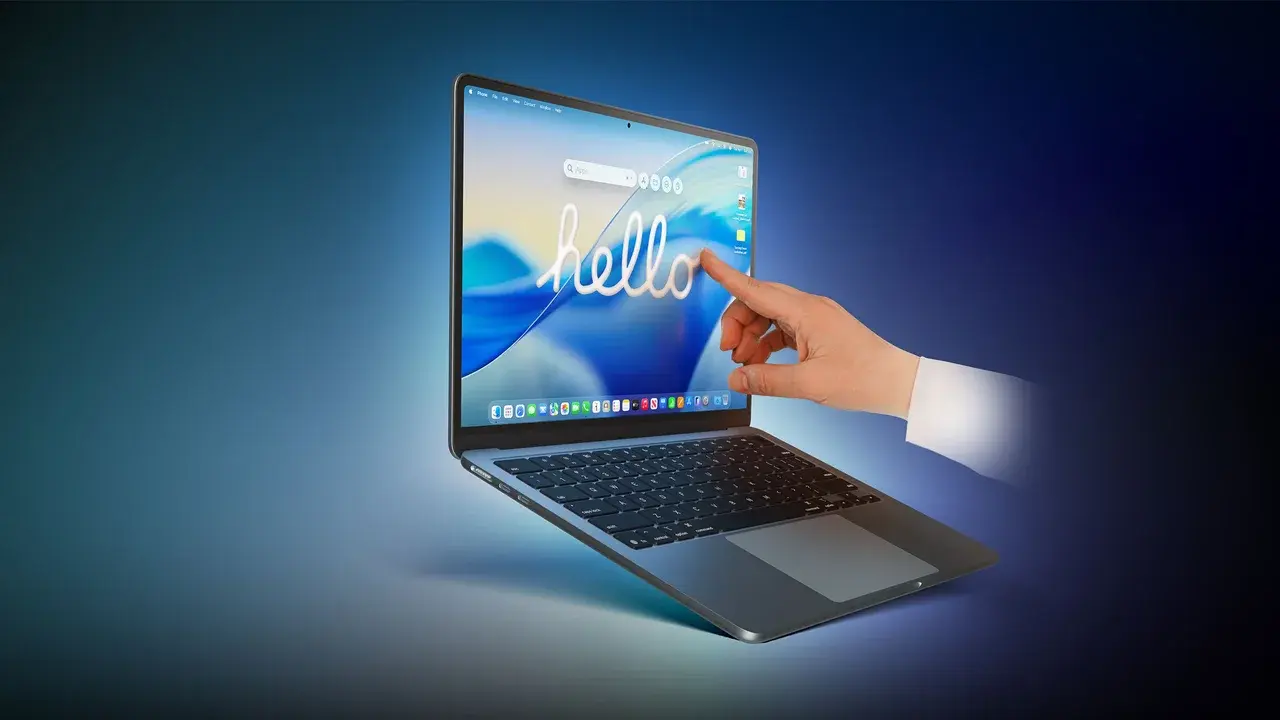
As the tech industry turns its attention to Apple’s WWDC event in June 2026, anticipation is building for the upcoming release of macOS 27. This major software update is expected to mirror the advancement cycle of iOS 27, placing a heavy emphasis on deep artificial intelligence integration, refined user interface elements, and significant performance optimizations. Apple has confirmed that this transition marks a pivotal moment for the ecosystem, as the company officially ends support for all Intel-based Mac models to focus exclusively on Apple Silicon architecture. The operating system will debut for developers in June, with a public release scheduled for the autumn of 2026.
- Apple will permanently discontinue support for all Intel-based Mac devices in the macOS 27 update.
- The new operating system will introduce advanced artificial intelligence capabilities across core system applications.
- Apple is prioritizing system stability and performance through an extensive optimization process similar to the Snow Leopard era.
- The platform will fully transition to exclusive reliance on Apple Silicon hardware architecture.
Liquid Glass Interface Receives Visual Enhancements
The iconic Liquid Glass design language is undergoing a refined evolution in macOS 27. Apple intends to address previous inconsistencies by better integrating the shadow and transparency effects that have proven highly successful on the iPhone platform. By applying these aesthetic adjustments to the desktop environment, the company aims to create a more cohesive and modern user experience. These changes focus on improving visual fluidity rather than introducing radical structural shifts.
The Liquid Glass update prioritizes visual consistency to create a seamless aesthetic experience for the end user.
Siri Becomes an Intelligent Assistant
Siri is positioned to become a significantly more capable and autonomous tool within the macOS 27 ecosystem. Development efforts are running parallel to iOS 27, ensuring the assistant can manage increasingly complex user commands. Reports suggest that Apple may even integrate a dynamic notification interface, potentially utilizing the notch area on modern Mac displays to mirror a Dynamic Island experience, thereby centralizing information flow.
Artificial Intelligence Enhances Native Applications
Apple is embedding powerful AI tools directly into its suite of native applications. The Photos app will receive advanced features such as ‘Extend’ and ‘Reframe,’ allowing users to manipulate image composition with ease. Furthermore, the Shortcuts application is being upgraded with natural language processing, enabling users to build intricate automation chains through simple voice commands. The system-wide Writing Tools will also receive a major upgrade, offering professional-grade grammar correction and generative text capabilities to assist users in their daily workflows. 
Intel Processor Support Ends Officially
The transition to Apple Silicon is reaching its final stage as macOS 27 brings an end to Intel processor compatibility. Only devices equipped with M1 chips or newer will support this version of the operating system. Consequently, the Rosetta 2 translation layer is beginning its retirement phase. Users still relying on legacy architecture will find that older applications lose functionality by the autumn of 2027, making hardware upgrades a necessity for those requiring the latest software updates.
Apple Decides on Naming and Release Dates
While Apple has yet to confirm the official branding, it is expected to follow its tradition of using California-inspired names. ‘Big Bear’ is currently the leading candidate for the official title, though ‘Emerald Bay’ remains a strong possibility given the focus on performance stability. The developer beta will launch following the WWDC keynote, with the final stable version arriving for the general public later this year.
As Apple prepares to phase out older hardware in favor of high-performance AI features, we want to hear your thoughts. Do you believe the future of macOS should focus more on aggressive artificial intelligence integration or on pure, underlying system performance? Share your perspective in the comments section below.
Your comment has been submitted,
it will be published after approval.