
New Denuvo Update Effectively Blocks Major Game Cracking Techniques

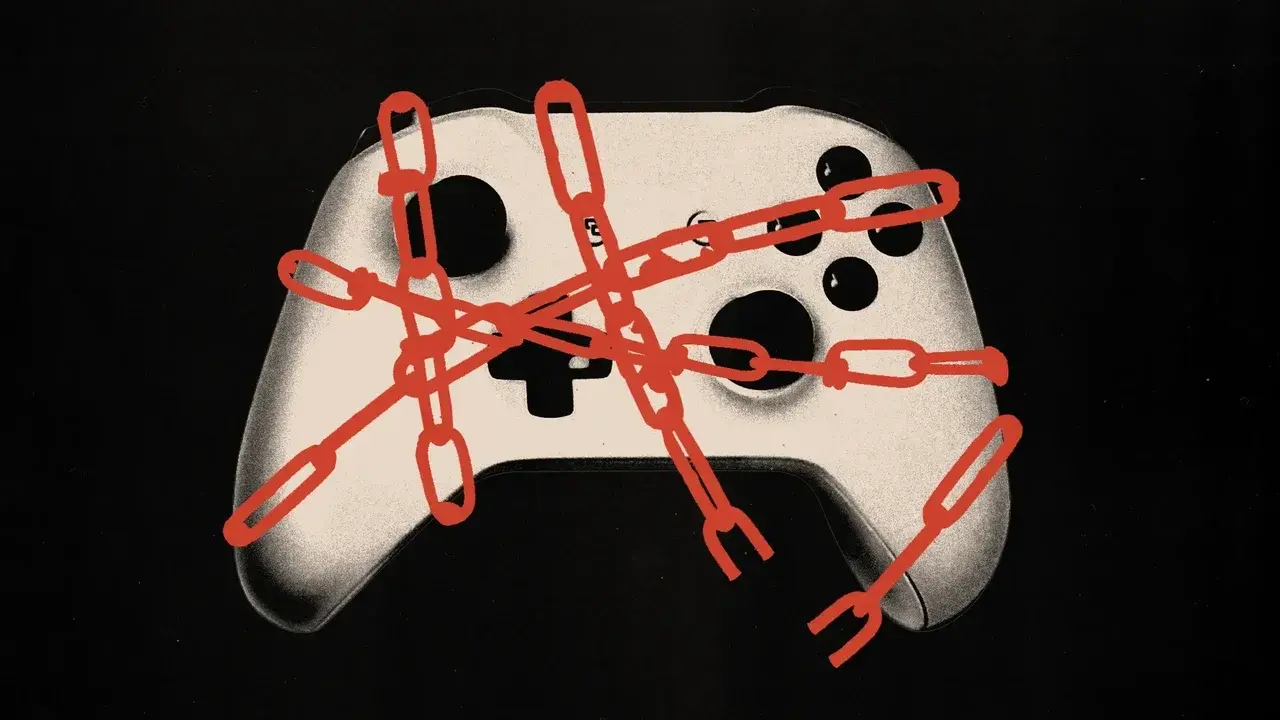
Denuvo has implemented a significant security enhancement this week by deploying a new protection mechanism designed to neutralize common game cracking techniques. The company, known for its anti-tamper software, has successfully disabled a long-standing virtualization-based method that hackers frequently exploited to bypass Denuvo security checks within the Windows operating system. By addressing this vulnerability, Denuvo aims to protect the integrity of intellectual property and ensure that developers maintain their revenue streams during the crucial initial launch window of new titles. This strategic update marks a substantial escalation in the ongoing conflict between software developers and digital piracy groups.
- Denuvo has deployed a new security patch that disables virtualization-based cracking techniques.
- The update prevents hackers from creating conflicts during the execution of Denuvo integrity checks.
- Approximately 60 different video game titles have effectively become resistant to these specific cracking attempts.
- This technological advancement aims to safeguard revenue during the critical early release periods for developers.
Virtualization Vulnerabilities are Being Addressed by Developers
The core of the recent security update involves neutralizing a specific exploit that relied on virtualization technology under the Windows environment. Previously, malicious actors could induce a calculated conflict during the execution of Denuvo’s authentication protocols. This technical interference allowed the software’s security layers to be bypassed with relative ease. However, the latest iteration of Denuvo’s protective suite effectively closes this loophole by validating the environment more strictly.
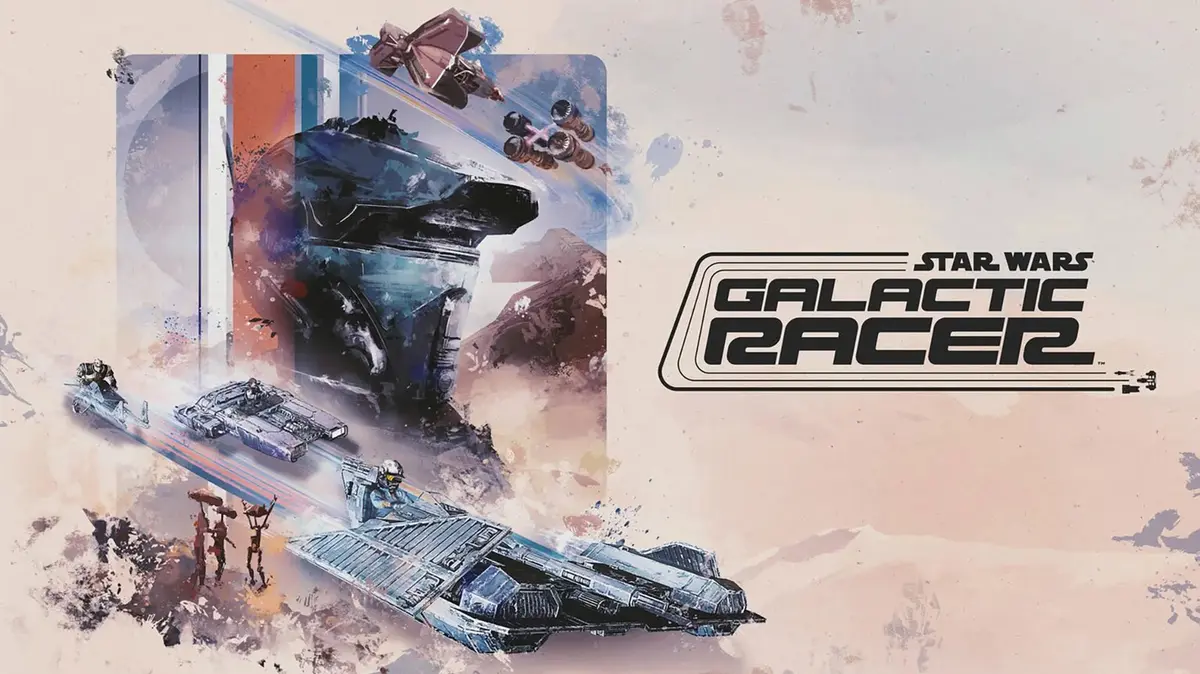
The effectiveness of this new measure was first observed in the game Star Wars: Galactic Racer, where the updated protocol successfully prevented unauthorized modifications. Security researchers and industry analysts have since identified that this protective layer has rendered roughly 60 titles currently protected by Denuvo immune to the specific cracking method that previously plagued them. This development represents a major milestone in the pursuit of digital rights management efficacy.
Industry Impact is Being Evaluated by Experts
While official statements from Irdeto or the specific game developers involved remain pending, the technical community has already begun to assess the long-term implications of this update. The inability of piracy groups to circumvent these protections is viewed as a pivotal shift in the software security landscape. By effectively blocking a popular and reliable method used by hackers, Denuvo has raised the barrier to entry for unauthorized distribution significantly.
The move is expected to have a tangible impact on the financial performance of high-profile game releases. Given that the highest volume of sales typically occurs shortly after a title hits the market, the sustained protection of these games provides a substantial safety net for developers. This update serves as a clear indication that software security remains a top priority for the gaming industry and that further innovations in defensive technology are likely on the horizon.
We are interested in hearing your thoughts on this latest development in the world of digital security. Do you believe that Denuvo’s new measures will permanently change the landscape of the gaming market, or will developers and hackers continue to engage in a perpetual cycle of adaptation? Please share your perspective in the comments section below.
Your comment has been submitted,
it will be published after approval.