
NexPhone Release Date Delayed to March 2027

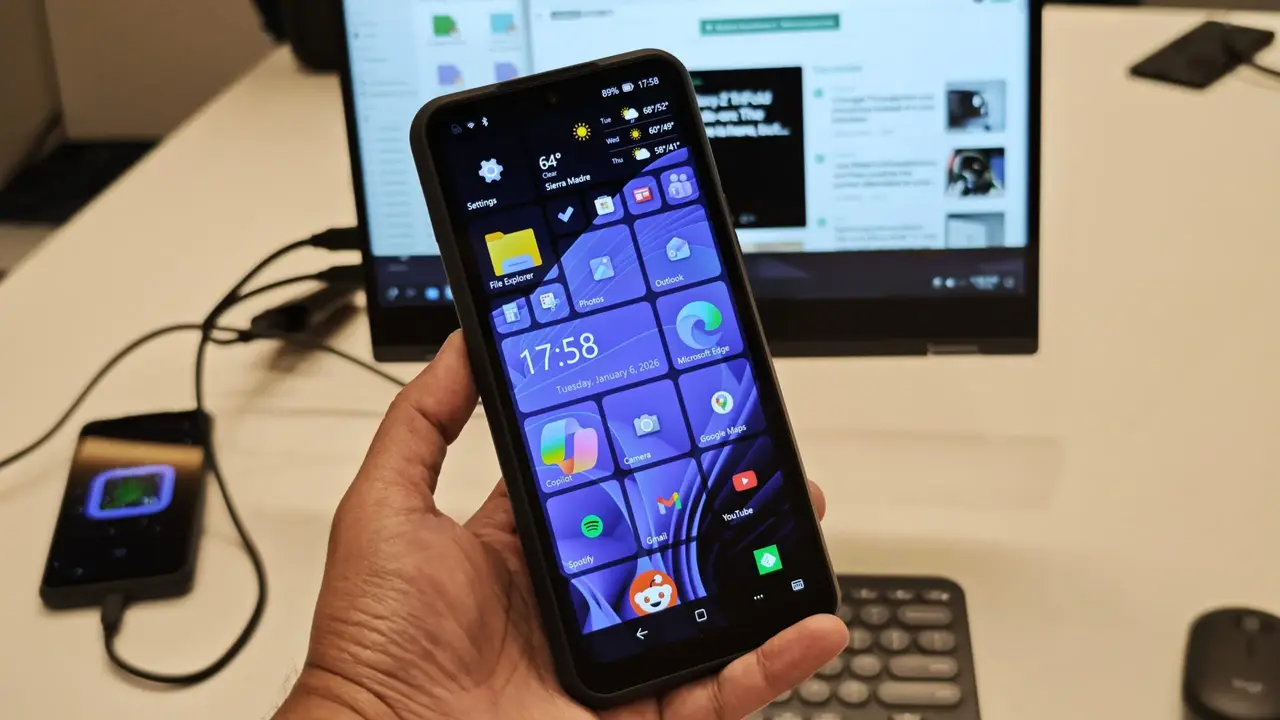
The ambitious NexPhone project, which promises to run Android, Linux, and Windows 11 on a single mobile device, has officially announced a delay in its global launch. Originally scheduled for release in November 2026, the development team confirmed that the product rollout is now pushed back to March 2027. This significant adjustment comes as the developers work to address critical hardware challenges that impact the device’s wireless connectivity. Despite the setback, the NexPhone team maintains that the extra time is necessary to ensure the seamless integration of three distinct operating systems on high-performance mobile hardware.
- The official launch date for the NexPhone has been rescheduled from November 2026 to March 2027.
- Engineers identified significant signal interference issues within the device’s antenna system during testing.
- The device features a unique architecture capable of running Android, Windows 11, and Debian Linux simultaneously.
Antenna Interference Issues Force Hardware Redesign
Technical hurdles have been identified as the primary catalyst for the current production timeline extension. During the final engineering validation phase, the development team discovered unexpected signal interference within the antenna array. Because this issue threatened to compromise the device’s wireless connectivity and data transfer stability, the engineers determined that a comprehensive hardware overhaul was mandatory. The redesign process involves a complete reconfiguration of the internal antenna placement and a thorough optimization of the supporting circuitry to ensure robust signal reception.
While this revision adds months to the development cycle, the team emphasized that user experience remains the top priority. The engineering staff noted that these hardware modifications are not merely corrective but also enhance the overall structural integrity of the internal components. By refining the device’s internal architecture now, the developers aim to prevent long-term connectivity failures that could have plagued the initial production run. Although this decision has caused temporary disappointment among early backers, the company remains committed to delivering a high-quality, stable product.
Hybrid Computing Expectations Continue to Grow
The NexPhone distinguishes itself from standard smartphones by offering a genuine hybrid computing environment in a pocket-sized form factor. The ability to switch between Android, Windows 11, and Debian Linux provides unprecedented versatility for both professional power users and software developers. By enabling full desktop operating systems on a mobile platform, the device addresses a long-standing demand for a truly portable computing solution that does not sacrifice functionality for mobility.
However, managing such a complex software ecosystem requires extreme precision in hardware-software optimization. The current delay allows the team to conduct more rigorous stress tests on the multi-OS platform. By extending the timeline to March 2027, the developers intend to ensure that transitions between operating systems remain fluid and that power consumption remains manageable under heavy multitasking loads. This additional testing window is considered essential for achieving the performance benchmarks required for such a pioneering project.
Technology Enthusiasts Monitor Project Development Closely
Delays of this nature are frequently observed in the development of highly innovative hardware projects. When deep integration between hardware components and diverse software environments is required, engineering teams often encounter unforeseen integration conflicts. The industry is currently watching the NexPhone project with great interest, as successful implementation could signal a paradigm shift in how users interact with mobile devices. Whether the team can successfully resolve these antenna complications and stabilize the hardware remains the central question for observers and potential users alike.
Do you believe that a smartphone capable of running three different operating systems will redefine the mobile landscape, or is this vision too ambitious for current hardware? We invite you to share your thoughts and predictions regarding the future of hybrid mobile devices in the comments section below.
Your comment has been submitted,
it will be published after approval.