
NVIDIA Revives GeForce RTX 50 Super Series Plans

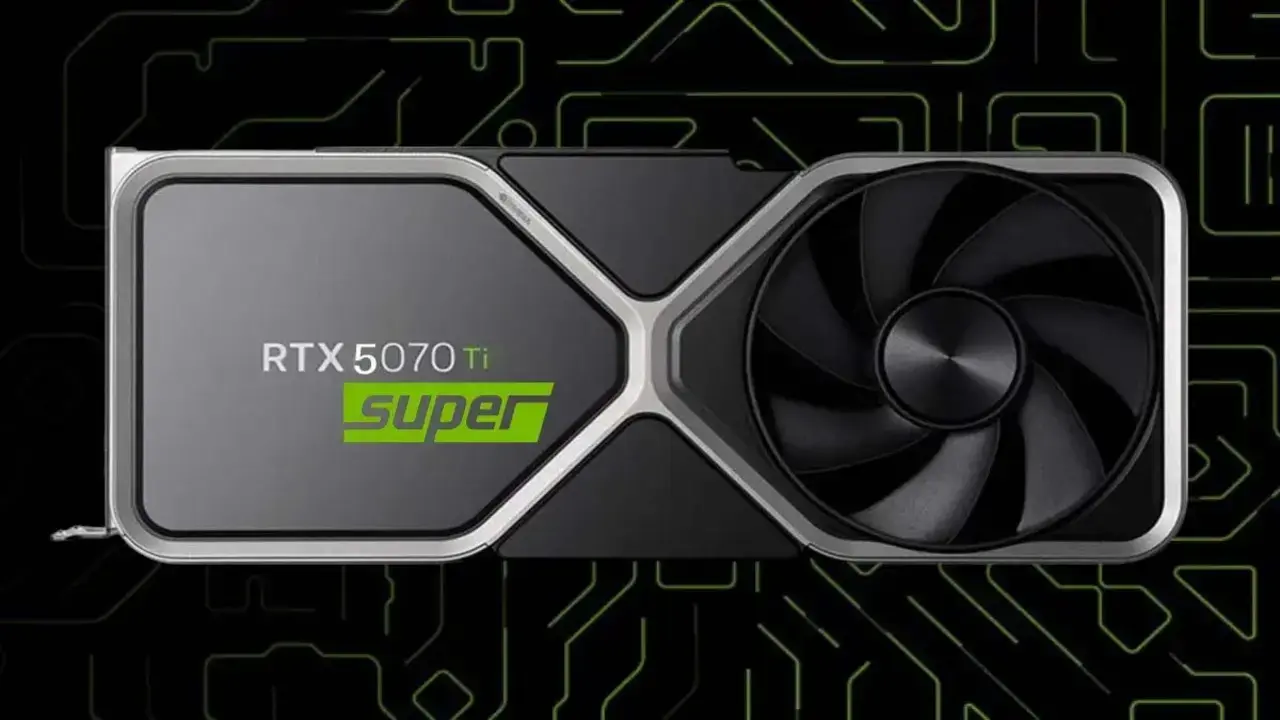
NVIDIA has officially resumed development on its highly anticipated GeForce RTX 50 Super series, marking a significant shift in the company’s desktop GPU roadmap for late 2024. According to industry reports from leaker @Zed__Wang, the tech giant is fast-tracking the production of an RTX 5060 variant equipped with a notable 12 GB of VRAM. Previously sidelined due to memory supply chain constraints, this project is now a central component of NVIDIA’s strategy to provide more robust memory options for high-demand users, with a potential retail arrival targeted for the final quarter of the year.
- NVIDIA has officially restarted development cycles for the GeForce RTX 50 Super product line.
- The upcoming RTX 5060 model will feature 12 GB of VRAM, representing a 50 percent increase over standard configurations.
- Integration of 3 GB GDDR7 memory modules will facilitate significant capacity upgrades across the entire RTX 50 series.
RTX 50 Series Super Models Are Being Developed
Rumors regarding the future of the GeForce RTX 50 Super series have circulated for months, fueled by intense competition and the ongoing demand for hardware capable of handling complex artificial intelligence workloads. While initial supply issues and market volatility forced NVIDIA to pause these plans, updated intelligence confirms that the company is actively refining its product strategy to address the needs of modern gamers and professional creators alike.
The implementation of 3 GB GDDR7 memory modules is setting new performance standards for the upcoming GPU lineup.
Technical documentation suggests that the memory upgrades will not be limited to entry-level hardware but will extend across the entire stack. Analysts anticipate that the RTX 5070 will offer 18 GB of VRAM, while high-end tiers like the RTX 5070 Ti and the flagship RTX 5080 are expected to reach a substantial 24 GB capacity. These enhancements are designed to provide a competitive edge in high-resolution gaming environments and demanding creative software suites. 
Memory Capacities Are Increasing by Fifty Percent
The transition from current 2 GB GDDR7 modules to denser 3 GB modules marks a pivotal shift in GPU architecture. By increasing data processing density, NVIDIA expects to deliver a 50 percent boost in memory efficiency, which is essential as modern game assets and textures continue to grow in size. This technical evolution ensures that future cards remain relevant as software requirements evolve.
Evidence of this development was previously spotted in compatibility tools from power supply manufacturers, confirming that NVIDIA has been preparing for this launch for an extended period. Although a definitive release date remains unconfirmed, the industry expects the GeForce RTX 50 Super family to arrive in the fourth quarter. The company remains flexible in its timeline to align with shifting market conditions and manufacturing yields.
Enhanced VRAM capacity solidifies NVIDIA’s dominant position in the high-performance graphics market.
How do you anticipate the shift to 12 GB of VRAM will influence the performance of mid-range gaming builds, and will you be upgrading to the new RTX 5060 Super when it launches? We invite you to share your thoughts and hardware expectations in the comments section below.
Your comment has been submitted,
it will be published after approval.