
OpenAI Admits ChatGPT Integration in Apple Intelligence Underperformed Expectations

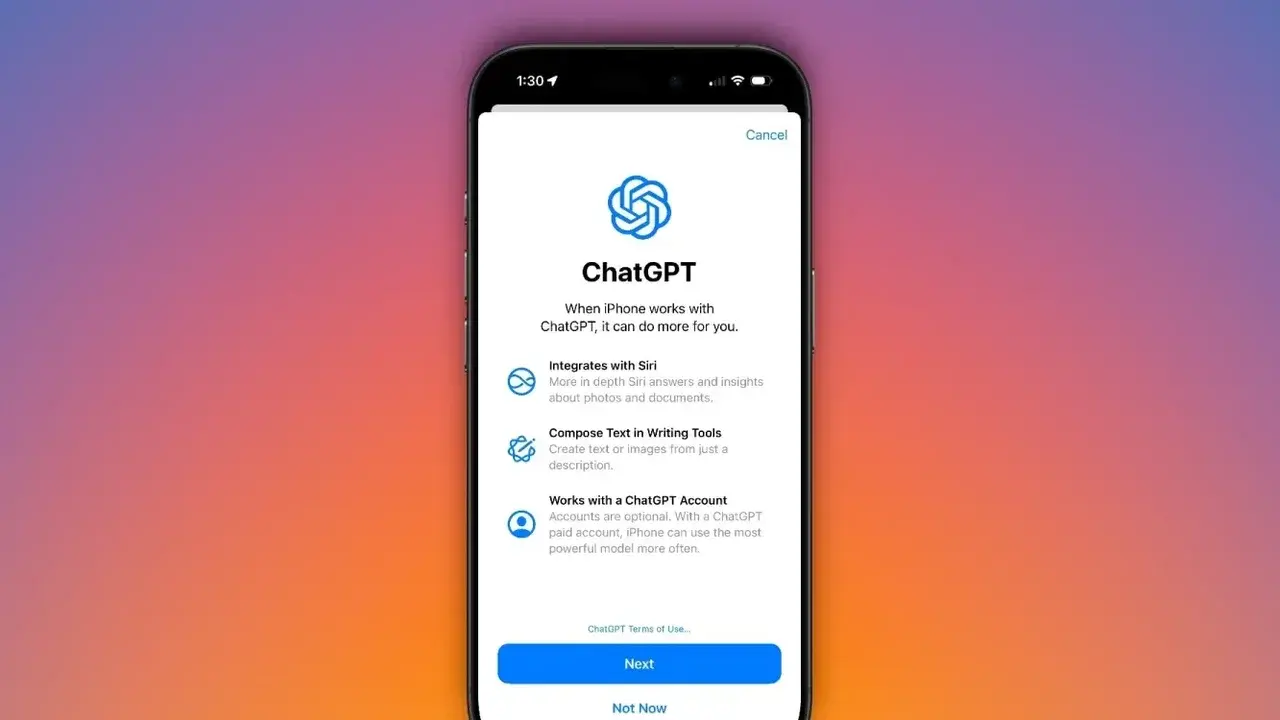
OpenAI has officially disclosed that the integration of ChatGPT into the Apple Intelligence platform has failed to meet initial performance expectations throughout 2024. According to court documents surfaced via the Financial Times, the strategic partnership between the two technology giants has resulted in lower-than-anticipated user engagement following its highly anticipated launch. Despite the massive reach and brand influence of Apple, the adoption rate of the ChatGPT feature remained stagnant, forcing OpenAI to significantly revise its weekly active user projections downward as the collaboration struggled to gain traction among the general consumer base.
- OpenAI reported that initial user engagement with ChatGPT via Apple Intelligence remained significantly lower than internal forecasts.
- Technical constraints, such as the feature being disabled by default, have been identified as primary factors hindering widespread adoption.
- The company was forced to revise its weekly active user estimates downward throughout 2025.
- Ongoing antitrust litigation involving external parties continues to complicate the public perception of the Apple-OpenAI partnership.
User Adoption Rates Remained Below Initial Forecasts
When the collaboration between OpenAI and Apple was first announced, executives anticipated a significant “halo effect” that would drive a surge in ChatGPT premium subscriptions. The expectation was that by embedding advanced artificial intelligence directly into the iOS ecosystem, millions of users would naturally transition to the platform. However, the post-launch data painted a different picture, characterized by a slow and tepid start that persisted for months. 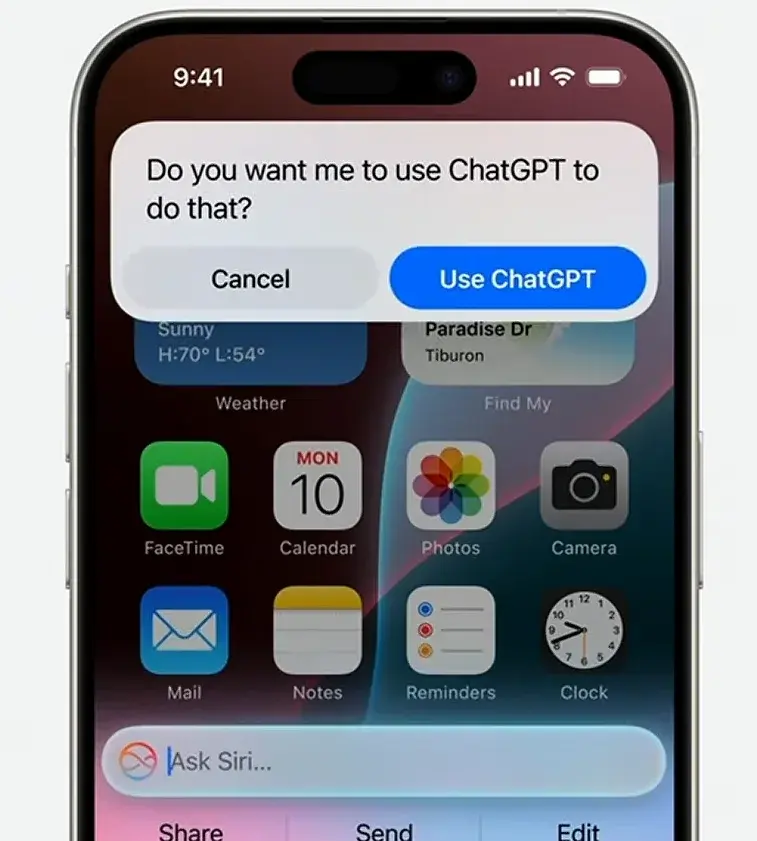
By the summer of 2025, it became clear that the integration had not achieved the intended market penetration. Internal communications revealed that OpenAI leadership expressed concern regarding whether Apple might pursue faster-moving alternatives or bring other AI models, such as Google Gemini, into the fold to compensate for the lackluster performance. The vision originally championed by Apple’s Craig Federighi, which focused on providing users with a diverse selection of AI models, appears to have been hindered by the lack of initial enthusiasm for the primary ChatGPT implementation.
Default Settings Limited Feature Accessibility
A crucial factor contributing to the low adoption rate was the decision to keep the ChatGPT integration disabled by default. Users were required to manually opt-in to the service, creating a significant friction point that discouraged casual users from exploring the tool. Analysts suggest that this design choice, while perhaps intended to protect user privacy or manage server loads, ultimately served as a barrier to the widespread normalization of the AI assistant within the Apple interface. 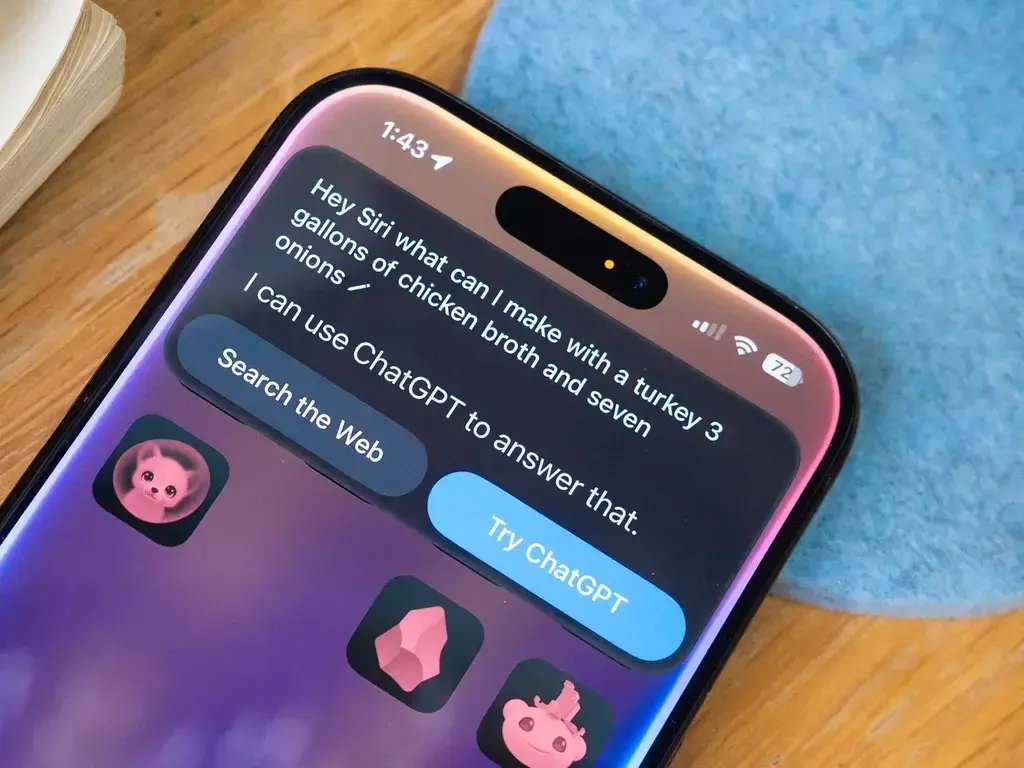
Legal Challenges Continue to Mount
The performance struggles of the integration are unfolding against a backdrop of intense legal scrutiny. Elon Musk has spearheaded an antitrust lawsuit against both Apple and OpenAI, alleging that the companies engaged in a clandestine partnership to stifle competition within the rapidly evolving AI sector. OpenAI has vehemently denied these claims, arguing that the evidence presented by the opposition contradicts their own public records and business filings.
As the companies prepare for a pivotal court hearing scheduled for January, the pressure is mounting to justify the nature of their cooperation. Both Apple and OpenAI maintain that their agreement does not constitute an exclusionary arrangement and that it serves the best interests of their respective user bases. The outcome of these legal proceedings could have profound implications for future AI partnerships in the tech industry.
Given these findings, do you believe that AI companies are struggling to turn high-level partnerships into tangible daily user habits, or is this merely a temporary hurdle for Apple Intelligence? Share your thoughts in the comments below.
Your comment has been submitted,
it will be published after approval.