
PNY Denies RTX 5090 Warranty Claim Over Third-Party Cable Usage

A high-end RTX 5090 graphics card owner recently faced a significant setback when manufacturer PNY officially denied a warranty claim following a hardware failure. The incident, which gained traction on social media platforms like Reddit this week, occurred after the user’s GPU malfunctioned while the system was idling. Despite using a high-quality ASRock PG-1600G power supply and its native 12VHPWR cable, PNY representatives argued that the failure was ineligible for coverage because the consumer did not use the specific power adapter provided in the original retail packaging. This decision has sparked a heated debate regarding manufacturer transparency and consumer rights.
- PNY rejected the warranty claim because a non-proprietary 12VHPWR cable was utilized.
- The user claims that official warranty documentation does not specify which cables are prohibited.
- Hardware failure occurred while the card was operating at default settings and idle power levels remained.
- Company representatives terminated the support ticket before the specific policy discrepancies were addressed.
Manufacturer Denies Coverage Because a Different Cable Was Selected
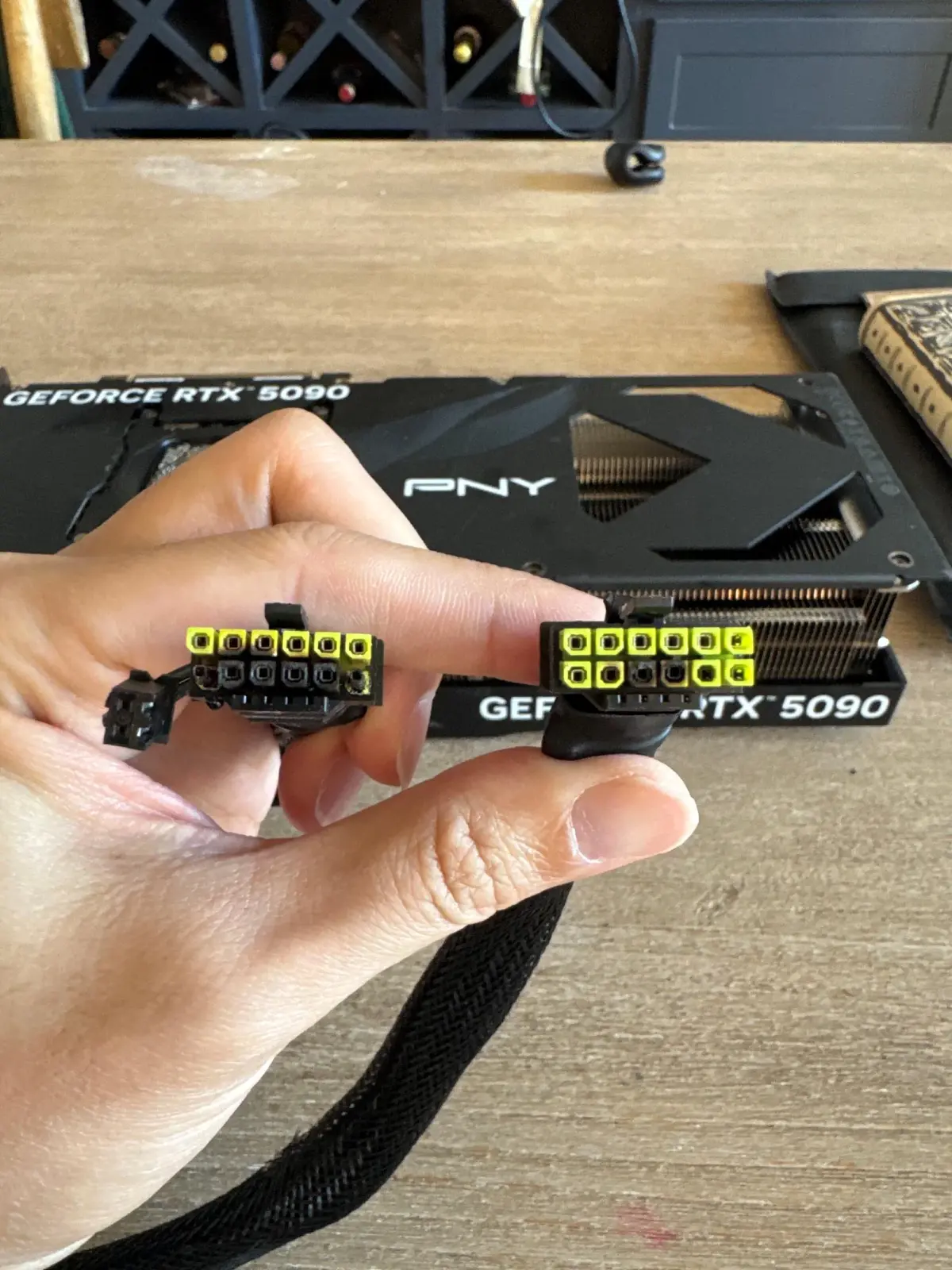
The situation began when a user reported that their newly acquired RTX 5090 stopped functioning correctly during a low-load scenario. After reaching out to PNY for a standard RMA process, the user was surprised to find their request flatly rejected. The company’s technical support team pointed to the use of a power cable not included in the original box as the primary reason for voiding the warranty. According to the manufacturer, any failure involving the 16-pin power delivery system is only covered if the user employs the specific adapter or cable that PNY provides.
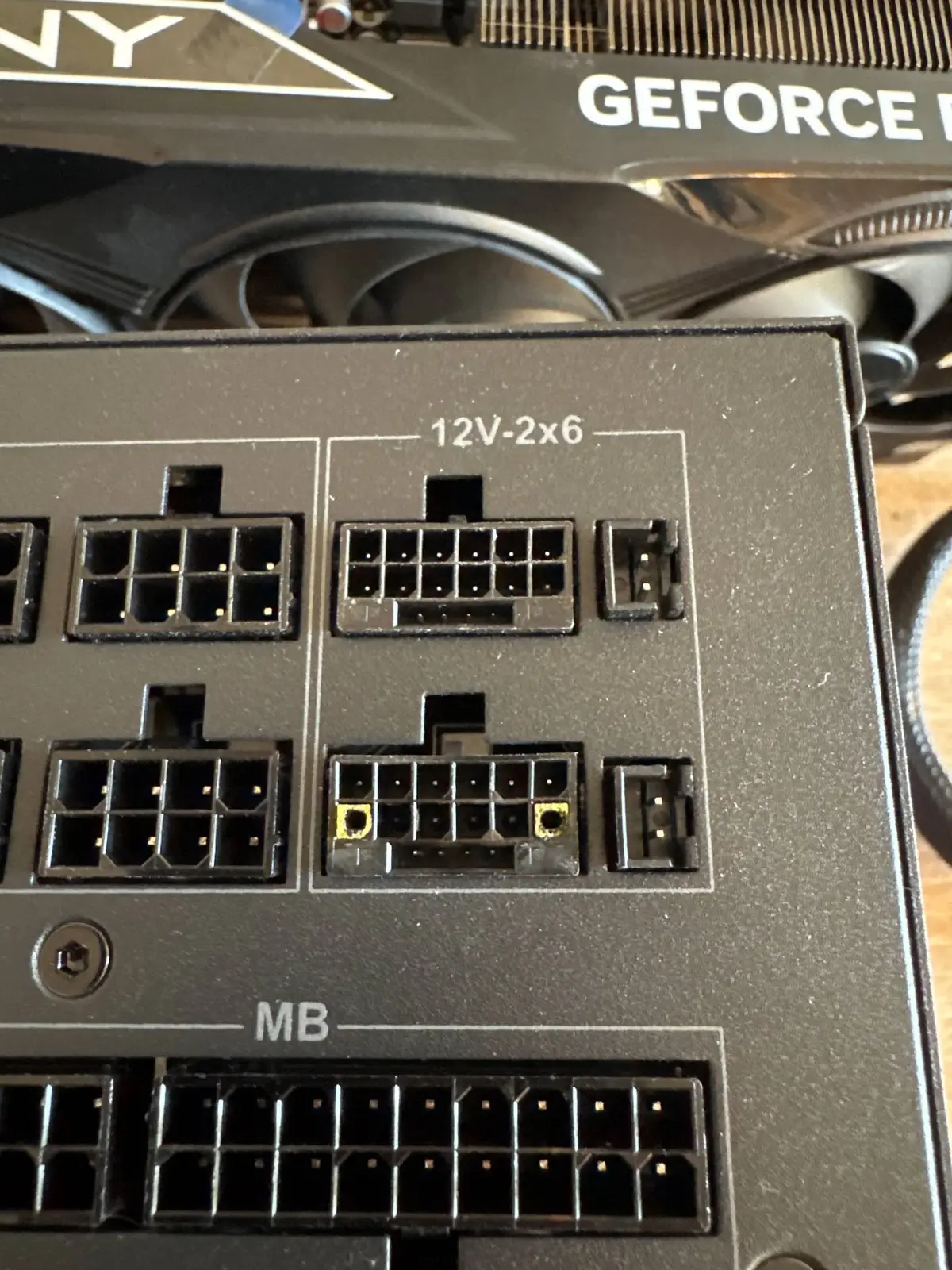
This stance is controversial because the user was not using a cheap third-party adapter. Instead, the graphics card was paired with an ASRock PG-1600G power supply, which is a modern unit built to the ATX 3.1 standard. This power supply features its own native 12VHPWR cable designed to handle the high power requirements of modern GPUs without the need for adapters. The user argued that using a native cable from a reputable PSU manufacturer is actually safer than using a bundled adapter.
Official Documentation Fails to Detail What Every User Needs
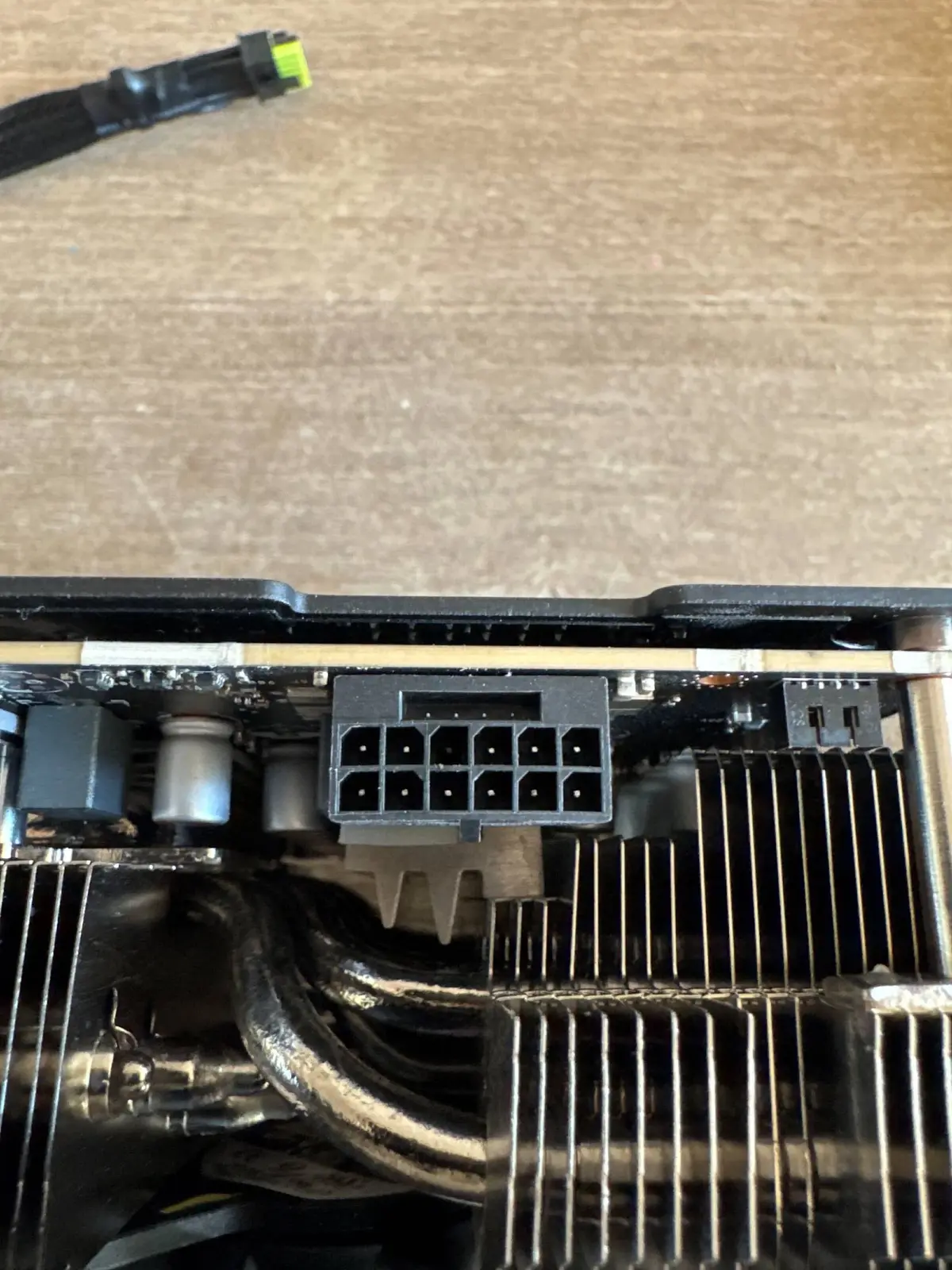
Upon receiving the denial, the user scrutinized the legal language provided in PNY’s warranty documents and installation guides. They found no mention of a requirement to use only the inbox cable for the 16-pin connector. The installation manual provided with the RTX 5090 appears to be outdated, as it only references traditional 6-pin and 8-pin power connections. There is a distinct lack of instructions regarding the specific 12VHPWR interface that defines this hardware generation.
Furthermore, the user examined the most recent revision of PNY’s warranty terms, dated February 28, 2025. Even in these updated documents, there is no explicit clause stating that the use of a native cable from a third-party power supply manufacturer would result in a loss of coverage. This discrepancy suggests that the company may be enforcing internal policies that were never clearly communicated to the consumer. The lack of transparency has led the user to feel that the rejection is based on arbitrary rules rather than documented agreements.
Technical Support Closes the Ticket Once the Final Decision Stands
When the user presented these findings to PNY’s support team, the interaction took a frustrating turn. Rather than addressing the specific questions regarding the missing clauses in the documentation, a senior technical official maintained that the company’s decision was final. The official reiterated that PNY only guarantees the functionality of the card when used with their own approved accessories. Shortly after this exchange, the company closed the support ticket, effectively ending any further path for appeal through customer service channels.
The user shared their experience on Reddit to warn other enthusiasts about the potential risks of using native PSU cables with PNY products. They clarified that the RTX 5090 was running on a stock VBIOS and that they had lowered the power limit below default settings to ensure stability. These details suggest that the hardware failure was likely a manufacturing defect rather than a result of electrical stress caused by the cable. However, without the manufacturer’s cooperation, the user is left with a non-functional component.
Industry Experts Question Whether These Warranty Clauses Actually Apply
The tech community has reacted strongly to this incident, with many experts arguing that PNY’s policy may be on shaky legal ground. Laws such as the Magnuson-Moss Warranty Act in the United States generally prevent manufacturers from voiding a warranty simply because a third-party part was used, unless the manufacturer can prove that part caused the failure. In this case, PNY has not provided technical evidence that the ASRock cable was at fault; they simply cited its presence as a reason for denial.
This case highlights a growing tension between new power standards and rigid warranty policies. As 12VHPWR connectors continue to be a focus for users, the demand for clear and transparent warranty terms has never been higher. For now, RTX 5090 owners are advised to proceed with caution and perhaps stick to inbox accessories to avoid similar complications, regardless of their third-party component quality.
Do you believe that hardware manufacturers should have the right to void warranties when users choose high-quality native power cables over bundled adapters? Share your thoughts on this growing industry controversy in the comments section below.
Your comment has been submitted,
it will be published after approval.