
Police Develop New Methods to Access Locked iPhone Devices

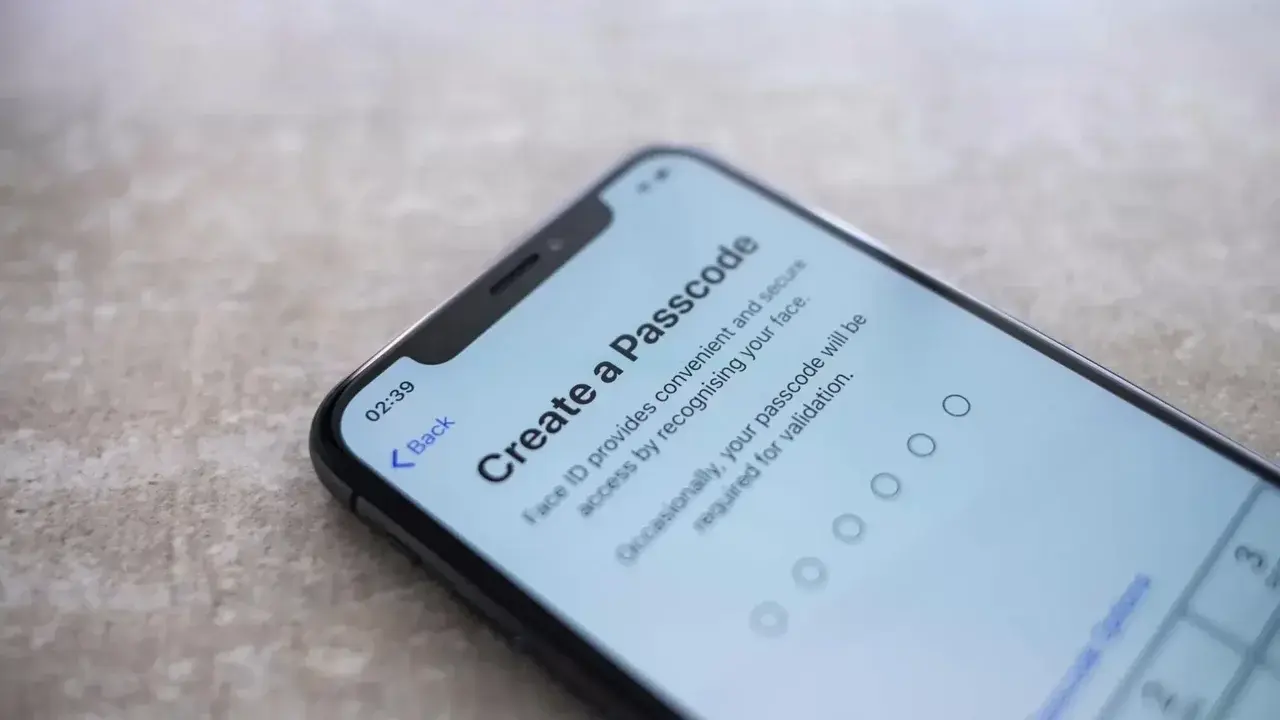
Law enforcement agencies have reportedly developed advanced techniques to bypass the security measures of locked iPhone devices, specifically targeting the recent “inactivity reboot” feature introduced by Apple in 2024. This security protocol, designed to bolster user privacy, automatically restarts iPhones that have remained idle for 72 hours, effectively locking them down and restricting forensic access. However, internal training materials from Magnet Forensics, recently highlighted by 404 Media, demonstrate that new forensic tools are successfully circumventing these protections. By keeping seized devices in an “After First Unlock” (AFU) state, authorities can maintain access to encrypted data, marking a significant evolution in digital forensic capabilities.
- Apple’s inactivity reboot feature aims to restrict forensic access after 72 hours of device idleness.
- Magnet Forensics has introduced tools like GrayKey that keep devices in an AFU state to bypass security resets.
- These new forensic methods allow investigators to extract data even if a device undergoes a power loss or unexpected restart.
- The capability to disable automatic data wiping features raises ongoing concerns regarding digital privacy and judicial oversight.
Forensic Tools are Changing Data Access Paradigms
The core of the issue lies in the transition between “Before First Unlock” (BFU) and “After First Unlock” (AFU) states. When an iPhone is in the BFU state, it is heavily encrypted and nearly impossible to access without the passcode. Conversely, the AFU state allows for broader data accessibility. Magnet Forensics has developed specialized tools such as GrayKey Preserve and Evidence Preservation Mode to ensure that a device remains in the AFU state, even if it is forced to restart due to power loss or maintenance requirements.

This technical advancement effectively neutralizes the primary security benefit of Apple’s 2024 inactivity update. By preventing the device from returning to the more secure BFU state, forensic investigators can ensure that critical evidence remains available for analysis. This shift represents a significant challenge to the privacy-centric design choices made by Apple in recent years, as the company consistently attempts to minimize the window of opportunity for unauthorized or intrusive access to user data.
Privacy Standards are Facing Significant Challenges
Beyond maintaining the AFU state, these forensic tools reportedly possess the capability to suppress automatic data-wiping features that trigger after multiple failed passcode attempts or specific time intervals. This functionality ensures that sensitive information, such as cached geolocation logs, recent iMessage exchanges, and deleted photo files, remains intact for legal scrutiny. While these capabilities are hailed by law enforcement as essential for digital investigations, they have sparked intense debate among privacy advocates and technology experts.
The ability of federal and local authorities to override built-in security features is fueling a broader discourse on the limits of digital privacy. While Apple continues to prioritize end-to-end encryption and user security as foundational pillars of its ecosystem, the development of sophisticated decryption tools highlights the ongoing tension between law enforcement’s need for evidence and the individual’s right to digital security. As these forensic methods become more prevalent, the standard for what constitutes a “secure” device is being constantly redefined by the capabilities of state-sponsored or commercial decryption technology.
We are interested in hearing your perspective on this development. Do you believe that the security features implemented by Apple are sufficient to protect your data, or should authorities have broader access for investigative purposes? Please share your thoughts in the comments section below.
Your comment has been submitted,
it will be published after approval.