
RTX 5090 Graphics Card Melts During DLSS 5 Stress Testing

A critical hardware failure has been reported involving the NVIDIA GeForce RTX 5090, as users claim the MSI GeForce RTX 5090 Gaming Trio OC model suffered severe power connector damage during DLSS 5 performance testing. The incident, which occurred when the card was subjected to intensive neural rendering workloads, resulted in the melting of the 16-pin 12V-2×6 power connector and its associated socket. This event highlights significant concerns regarding the power delivery architecture of next-generation high-performance graphics cards, as the demand for AI-driven processing capabilities pushes hardware components beyond their intended thermal and electrical thresholds during operation.
- The MSI GeForce RTX 5090 Gaming Trio OC recorded power consumption levels reaching 613.5 Watts during DLSS 5 testing.
- Physical inspection revealed the melting of the 16-pin power connector plastic housing and terminal fusion.
- Independent analysis confirms that DLSS 5 neural rendering significantly increases load on both tensor cores and memory subsystems.
- Hardware manufacturers are facing pressure to revise power management profiles or connector standards to prevent future thermal failures.
Power Consumption Exceeded Official Factory Limits
Testing conducted on the MSI GeForce RTX 5090 Gaming Trio OC revealed that the card consistently operated outside its designated factory parameters. While the manufacturer set a power limit of 575 Watts, the implementation of DLSS 5 Neural Rendering in titles like NBA 2K27 pushed the hardware to a peak of 613.5 Watts. 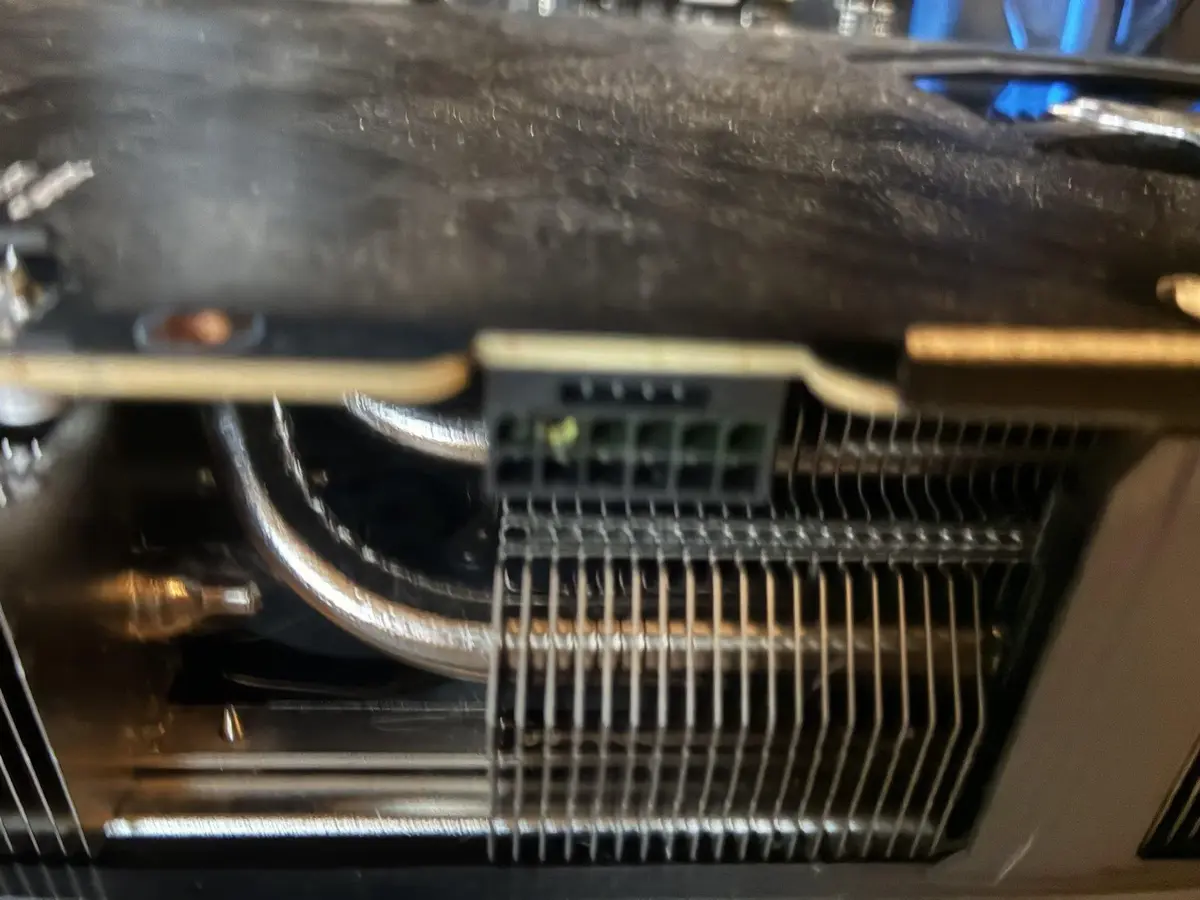 Such a surge significantly exceeds the typical 450-watt consumption expected during standard gaming sessions.
The affected user reported a sudden system shutdown accompanied by a pungent burning odor. Upon investigation, it was discovered that the 16-pin 12V-2×6 power connector had fused with the socket due to extreme heat. 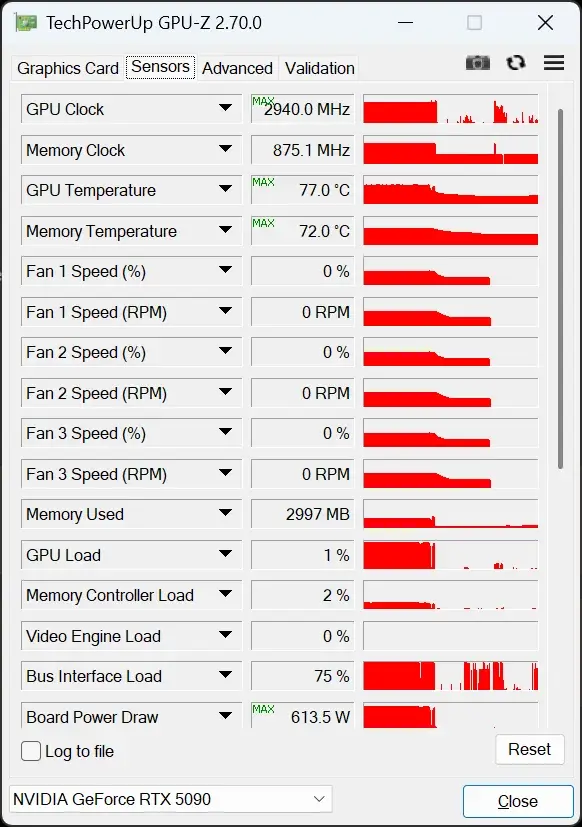 The user noted that the cable was nearly impossible to remove from the terminal, indicating a failure in the structural integrity of the connection under sustained high-amperage current.
Technical Analysis Confirms Performance Bottlenecks
Previous industry reports had already speculated that the power connectors on the GeForce RTX 5090 could become a limiting factor for DLSS 5 performance. Technical data suggests that models equipped with dual power connectors provide superior stability compared to single-connector designs, which are prone to reaching their thermal limits more rapidly under heavy neural processing loads. 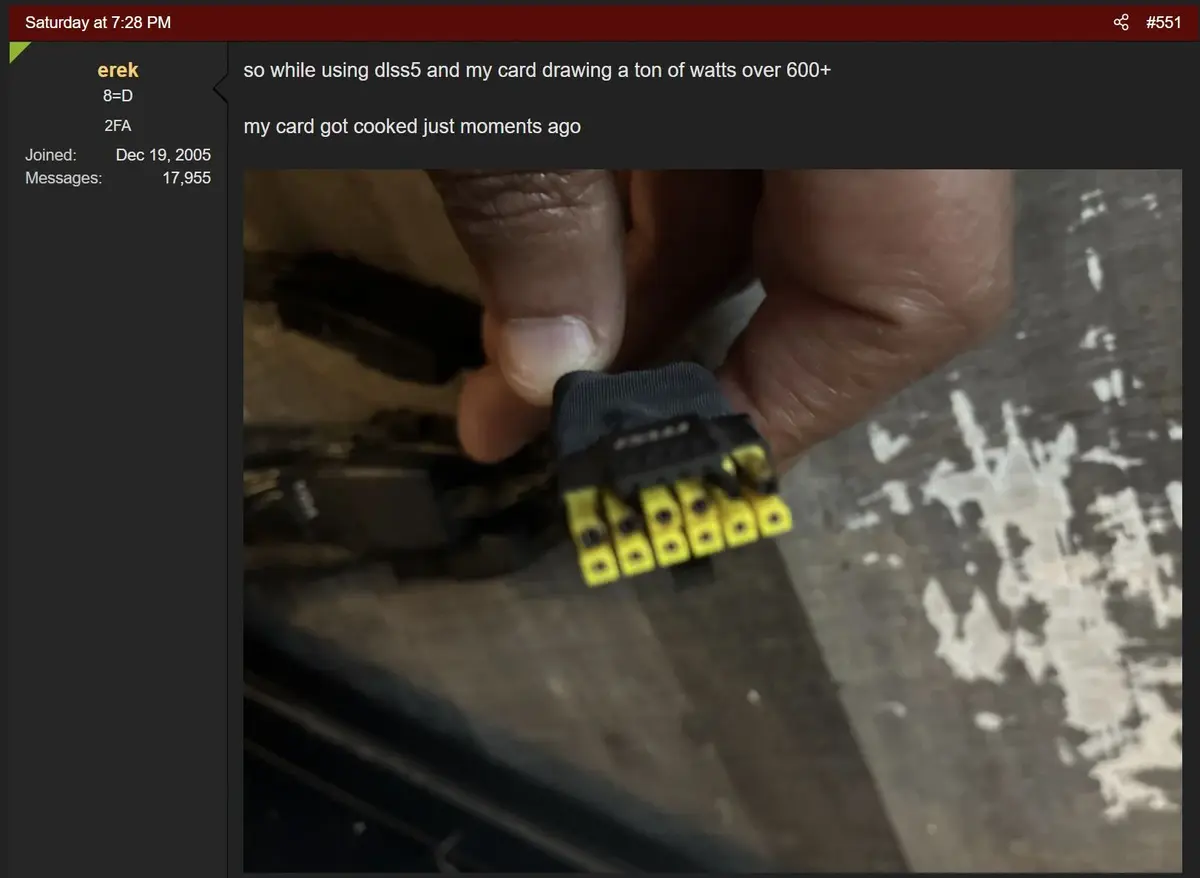
Independent benchmarks from the HardForum community support these findings, demonstrating that DLSS 5 integration in titles such as Hitman 3 causes power draw to spike from 435 Watts to over 520 Watts. The complex neural processing required by the architecture places a continuous, heavy burden on the GPU’s tensor cores, which in turn forces the memory subsystem to draw additional power to keep up with the computational pace.
Manufacturers Must Develop New Safety Standards
The industry is now anticipating responses from hardware manufacturers regarding these power-related concerns. Potential solutions involve implementing stricter software-based power limits or redesigning cooling solutions to better dissipate heat from the connector area. As AI-based rendering becomes standard in modern gaming, the durability of power delivery systems will remain a critical focus for both engineers and consumers.
We are interested in hearing your perspective on this development; do you believe that current power connector designs are sufficient for the next generation of high-performance hardware, or should manufacturers adopt more robust safety standards immediately?
Your comment has been submitted,
it will be published after approval.