
Samsung Galaxy Z Flip 8 Features Dual Processor Strategy

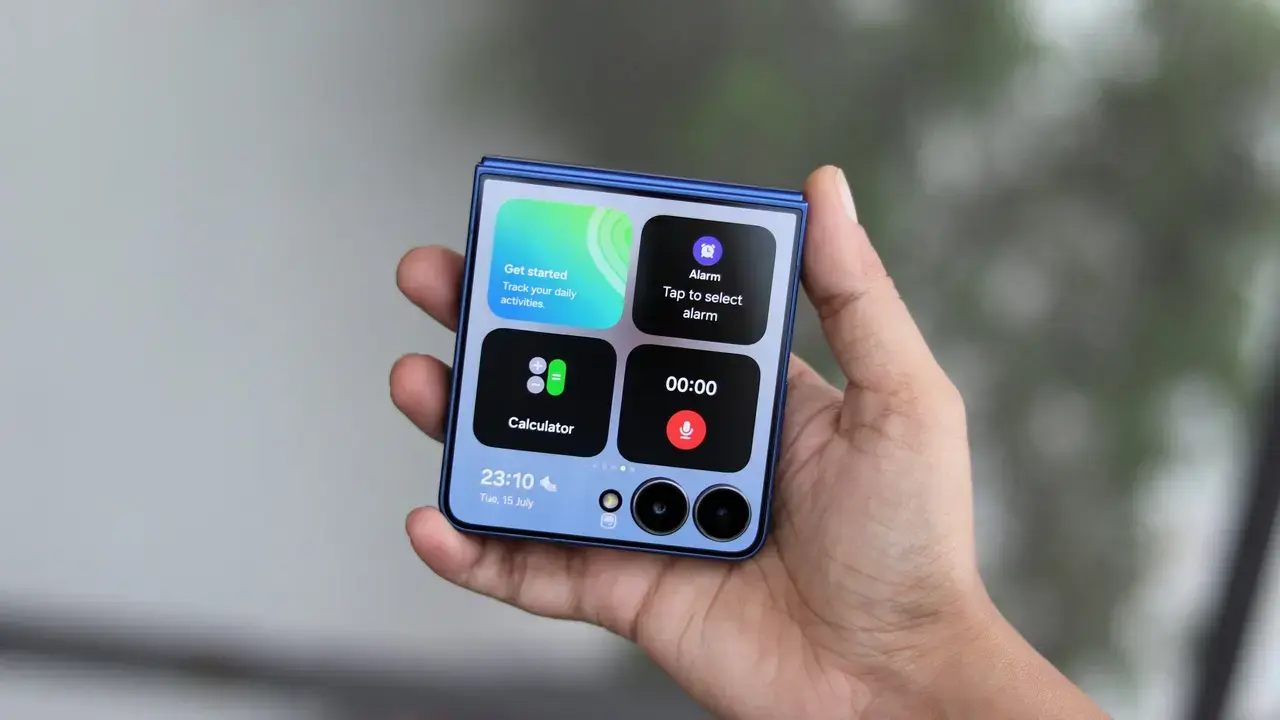
Samsung is set to redefine its hardware distribution strategy with the upcoming launch of the Samsung Galaxy Z Flip 8, which will feature both the proprietary Exynos 2600 and the Qualcomm Snapdragon chipsets. As the South Korean technology giant prepares to roll out its next-generation foldable device, recent industry reports confirm that the company will utilize a dual-processor approach to navigate regional market demands and supply chain constraints. While the specific availability of each chipset remains dependent on geographic location, this decision reflects Samsung’s ongoing effort to balance performance, production costs, and strategic partnerships on a global scale.
- Samsung will equip the Galaxy Z Flip 8 with either an Exynos 2600 or a Snapdragon processor depending on the target market.
- North American consumers will likely receive the variant powered by the Qualcomm Snapdragon platform.
- The dual-chipset strategy aims to optimize production costs while maintaining competitive retail pricing.
- The device features a refined design that is both thinner and lighter than previous iterations.
Dual Processor Strategy Influences Global Pricing
The decision to split the processor architecture for the Galaxy Z Flip 8 is primarily driven by the need to manage manufacturing overheads effectively. Industry experts suggest that the high production costs associated with the in-house Exynos 2600 chipset have prompted Samsung to pursue more flexible agreements with Qualcomm. By leveraging competitive pricing from its long-term partner, Samsung can maintain its profit margins while ensuring that the foldable device remains accessible to a broader consumer base.
Competitive pricing from Qualcomm enables Samsung to sustain healthy margins throughout its global supply chain.
Historically, Samsung has reserved the Snapdragon platform for major markets such as the United States and Canada, and this pattern is expected to continue with the Z Flip 8. Conversely, regions such as Europe and parts of Asia are likely to see the rollout of the Exynos 2600-powered variants. While this segmentation allows for localized supply management, it also introduces potential variations in benchmark performance across different regions, which remains a focal point for tech enthusiasts tracking the device’s development.

Leaked CAD-based renders indicate that Samsung is maintaining its signature aesthetic for the new foldable. However, the company has successfully engineered a thinner and lighter chassis, which is expected to provide a more ergonomic user experience compared to the previous model.
Hardware Specifications Remain Largely Consistent
While the physical design has undergone subtle refinements, Samsung appears to be taking a conservative approach regarding the camera hardware. Reports suggest that the sensor configurations will remain largely unchanged from the predecessor, as the company shifts its focus toward software-based image processing to enhance clarity and color reproduction.
A lack of major hardware upgrades in the camera department shifts consumer focus toward the device’s folding mechanism and chipset efficiency.
As competition within the foldable smartphone segment intensifies, Samsung’s reliance on both its internal technology and Qualcomm’s industry-leading chips serves as a tactical maneuver to secure its market dominance. By diversifying its hardware sources, the company is better positioned to navigate supply chain fluctuations and regional regulatory environments. Ultimately, the performance of the Exynos 2600 versus the Snapdragon variant will be the defining factor for many power users who prioritize raw speed and thermal efficiency in their daily mobile experience.
Do you believe that utilizing different processors for the same model affects the consistency of the user experience, or is this a necessary trade-off for better pricing? Share your thoughts in the comments section below.
Your comment has been submitted,
it will be published after approval.