
Samsung Plans to Launch First Rollable Smartphone by 2028

Samsung is officially preparing to expand its mobile portfolio beyond current folding technology as the South Korean tech giant aims to release its first-ever rollable smartphone by the first half of 2028. Following years of dominance in the foldable market, the company is accelerating its internal development process to introduce a device that offers a dynamic, expandable display. Industry reports indicate that Samsung is collaborating closely with Samsung Display to perfect the screen architecture required for this innovation. This strategic move represents the next major technological leap for the company, potentially marking a shift in how users interact with mobile hardware.
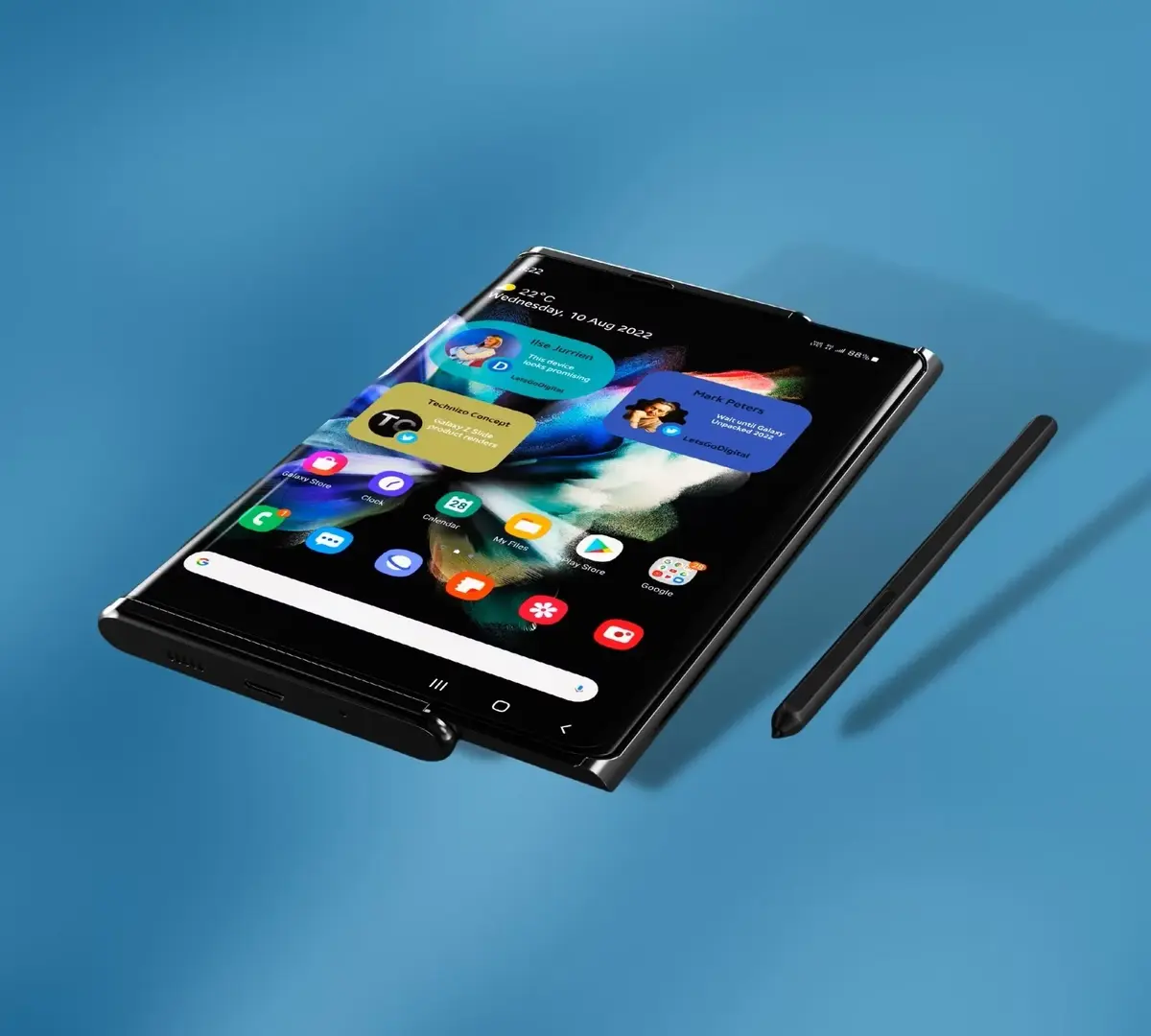
- The upcoming rollable device is reportedly being developed under the internal codename Galaxy Z Slide.
- Market research firm Omdia projects the device will feature a 10-inch screen with a 16:9 aspect ratio and 440 ppi density.
- Samsung aims to debut this technology alongside the launch of the Galaxy S28 series.
This rollable innovation signals the end of the traditional hinge-based design era for premium mobile devices.
The Galaxy Z Slide Redefines Device Mechanics
Unlike current foldable models that rely on complex hinges to bend the display, the Galaxy Z Slide utilizes a mechanism that allows the screen to extend horizontally from the main chassis. 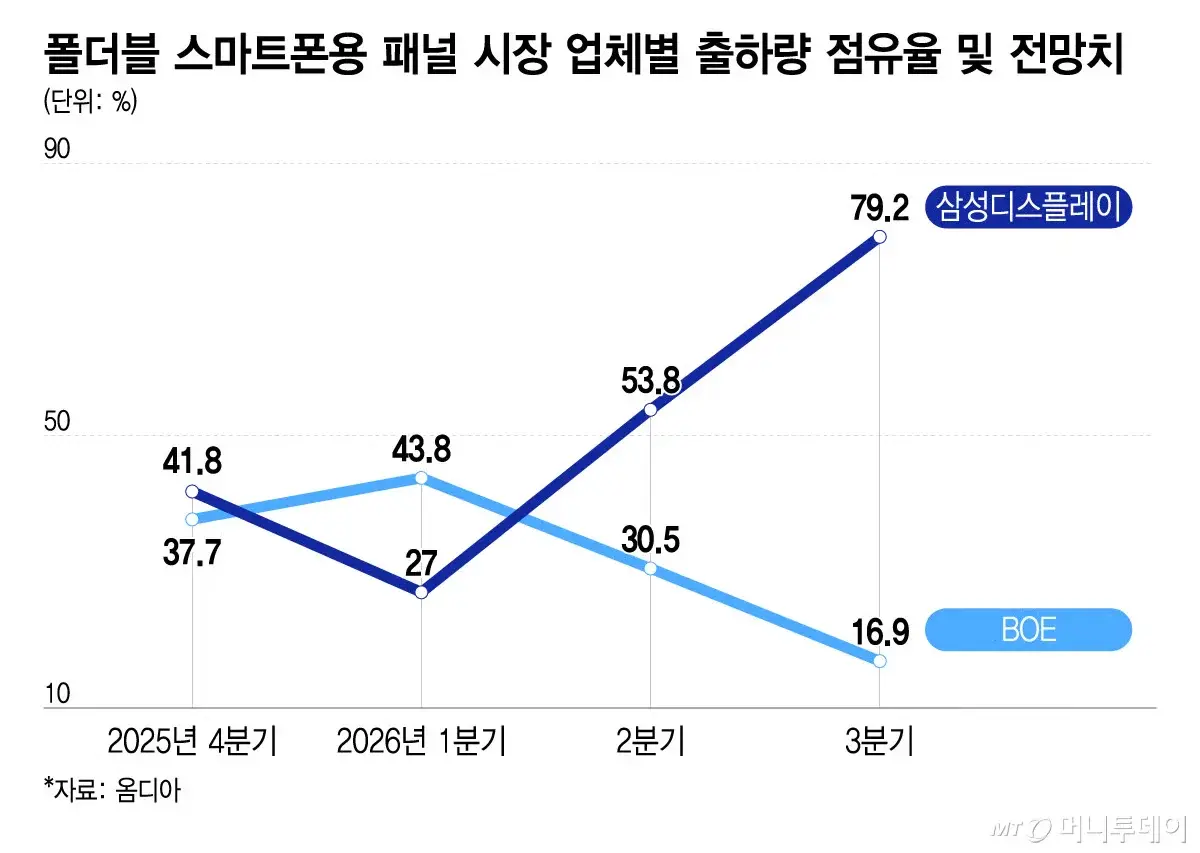 This unique approach provides a tablet-like viewing experience while maintaining the compact portability of a standard smartphone. By expanding only when necessary, the device maximizes screen real estate without the permanent bulk associated with traditional tablets.
 Engineering a rollable screen presents significant technical hurdles that the industry is still working to overcome. The display must maintain high structural integrity and color accuracy despite constant mechanical movement. Because the panel must transition between a compact and expanded state repeatedly, the substrate must be both flexible and durable enough to avoid permanent deformation or image degradation over time.
Advanced Display Technologies Support Future Designs
Samsung Display has actively showcased its commitment to this sector by presenting various prototypes at major global events. At CES 2023, the company introduced the Flex Hybrid concept, which paved the way for more radical form factors.  Furthermore, the Rollable Flex technology demonstrated at SID 2023 proved that Samsung can successfully increase a display’s surface area by more than five times its original size.
These developments underscore a massive investment in material science and mechanical engineering. If the current development timeline remains on track, consumers could witness the official unveiling of the product during the same period as the Galaxy S28 series. Such a launch would position Samsung as a leader in the next generation of mobile computing, setting a new standard for screen versatility in the smartphone market.
The successful integration of these technologies could fundamentally alter consumer expectations for mobile hardware. By moving toward a fluid, stretchable display format, Samsung aims to bridge the gap between pocket-sized devices and high-productivity tablets more effectively than ever before.
We are curious to hear your thoughts on this potential shift in mobile design; do you believe that rollable screens are superior to current foldable models in terms of daily utility and durability? Please share your opinions in the comments section below.
Your comment has been submitted,
it will be published after approval.