
Severed Fiber Cable Causes Major US Flight Chaos

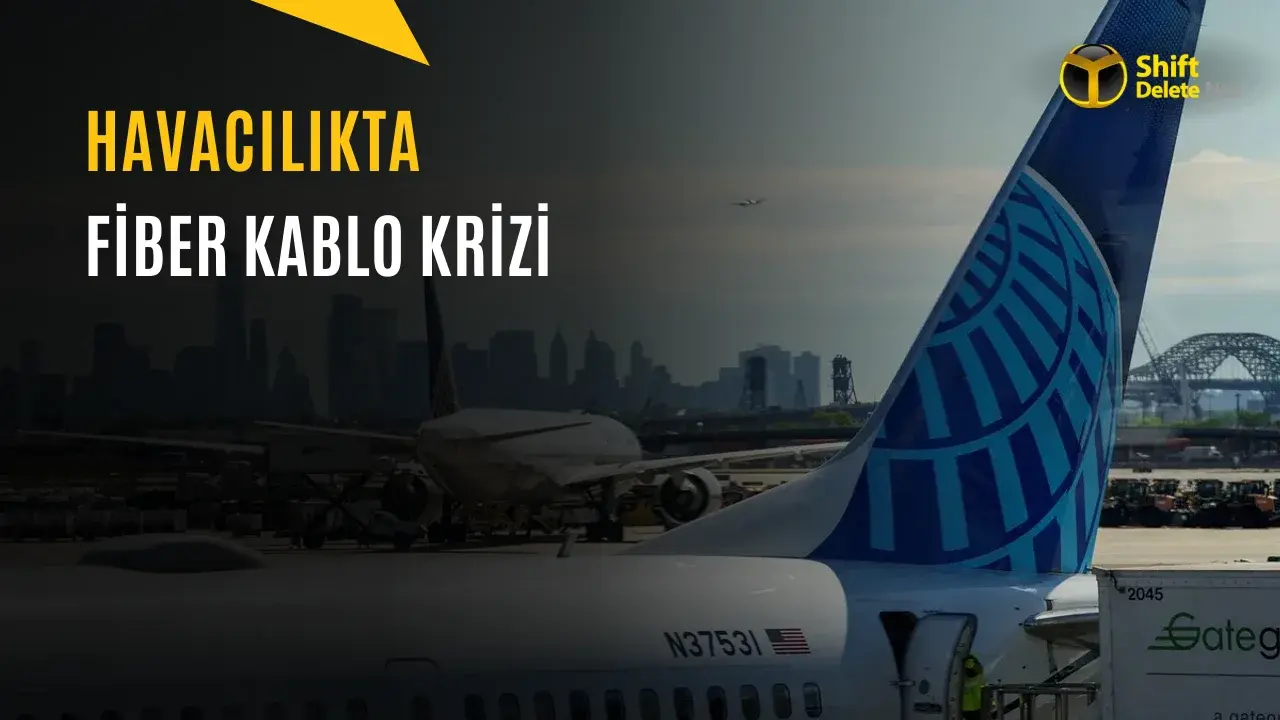
On Monday, a major US flight crisis paralyzed aviation operations across the country after a fiber cable was accidentally severed during construction work in New Jersey. The damage to this critical infrastructure led to widespread failures in air traffic control systems, grounding hundreds of aircraft and disrupting travel for thousands of passengers. FAA official Bryan Bedford confirmed that the severed fiber optic line was the root cause of the technical malfunction, which primarily affected airports throughout the northeastern United States. As emergency teams scrambled to address the outage, the incident highlighted the fragility of modern aviation networks when faced with physical infrastructure damage.
- A severed fiber optic cable in New Jersey caused the grounding of flights across the northeastern United States.
- FlightAware data indicates that over one thousand flights were canceled throughout the day due to the system outage.
- Transportation Secretary Sean Duffy confirmed that telecommunication repairs were completed by Monday evening.
- Conflicting reports have emerged regarding which specific contractor is responsible for the damage to the infrastructure.
Flight Operations Face Significant Disruptions
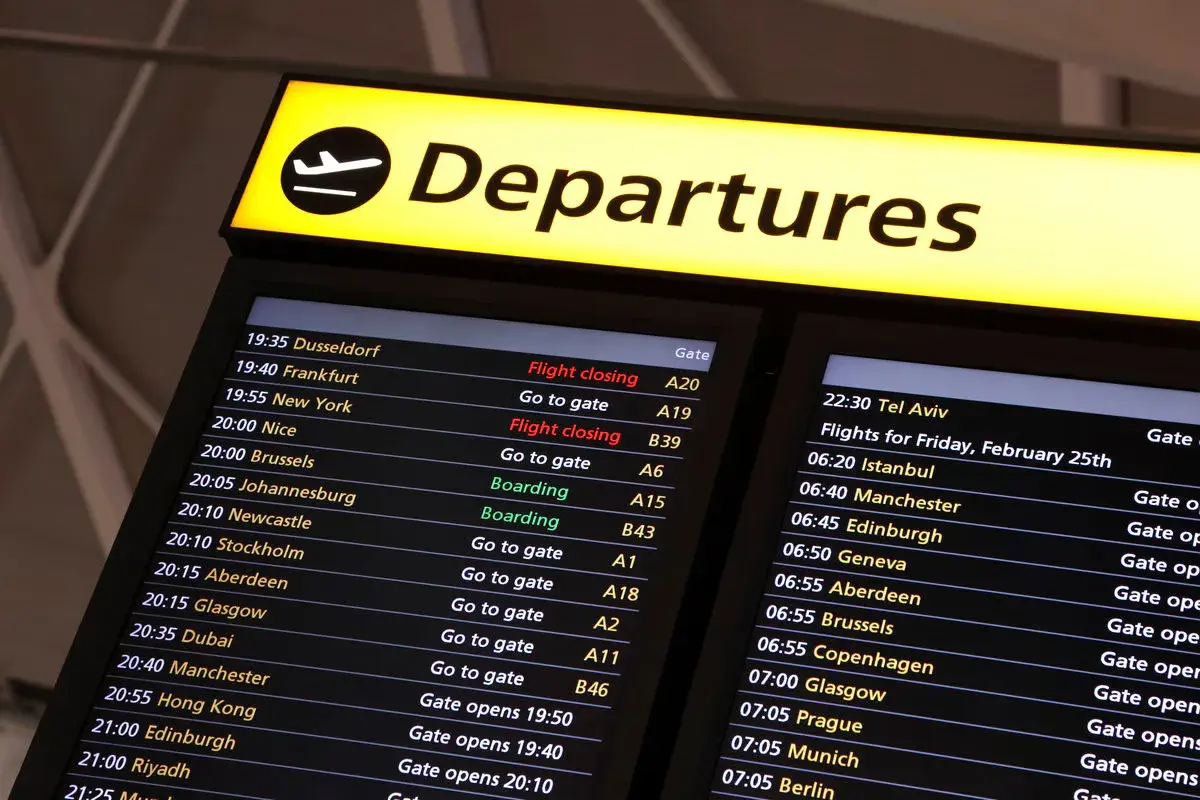
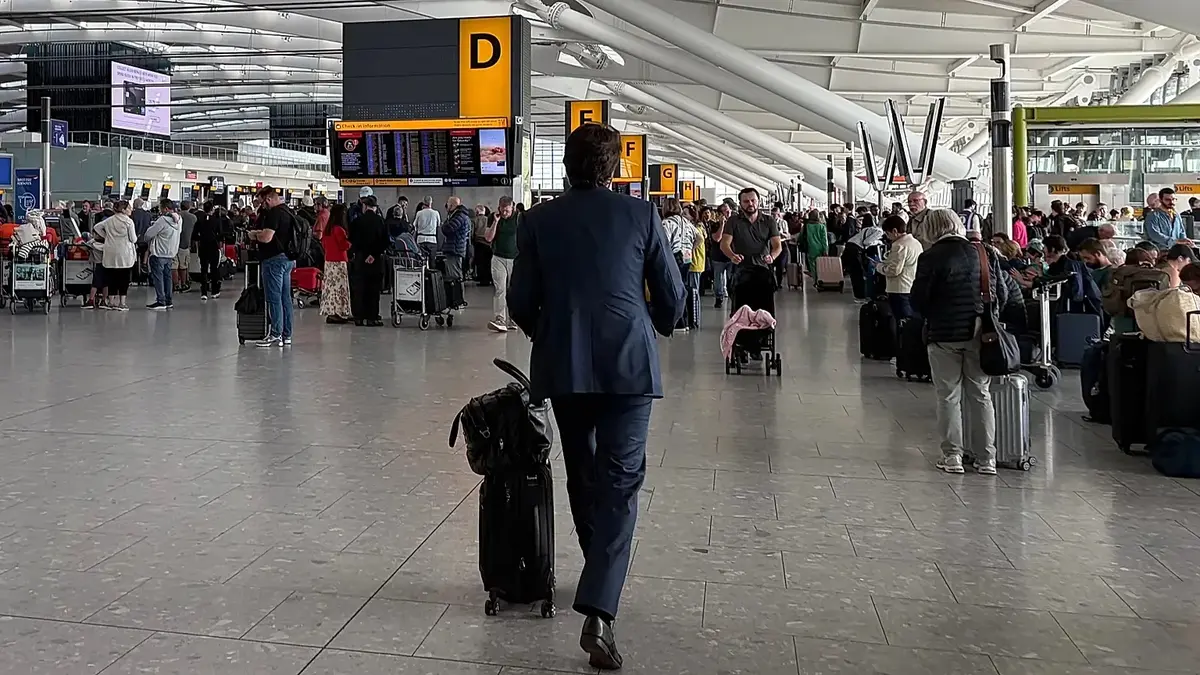
The impact of the fiber cable failure was immediate and severe, particularly for the three major airports serving the New York City metropolitan area. The inability of air traffic control systems to process data correctly necessitated a full halt of departing and arriving flights. According to tracking data provided by FlightAware, the scale of the disruption resulted in more than one thousand flight cancellations across the nation. This situation left thousands of travelers stranded in terminals, creating massive congestion and logistical nightmares for airline operators struggling to reschedule thousands of flights.
Verizon, the telecommunications provider associated with the line, issued a statement clarifying that the company was not directly responsible for the damage. Instead, they pointed to independent construction contractors working in the vicinity who inadvertently cut the critical line. This incident has underscored how vulnerable the national aviation infrastructure remains to localized physical accidents, prompting calls for a thorough review of system redundancies and security protocols to prevent similar future crises.
Dispute Over Liability Continues
The aftermath of the outage has been marked by a contentious debate regarding professional accountability. Transportation Secretary Sean Duffy initially stated that an Amtrak crew was responsible for the accident. However, Amtrak officials firmly denied these claims, asserting that the incident took place on New Jersey Transit property and involved a contractor hired by the latter organization. The finger-pointing between transportation agencies illustrates the complexity of managing shared infrastructure, where multiple entities operate in close proximity to sensitive utility lines.
Normalcy Returns After Repairs Are Completed
By late Monday evening, Secretary Duffy announced that the telecommunication lines had been successfully repaired and restored to full functionality. While the immediate technical crisis was resolved, the Secretary warned that the backlog of canceled and delayed flights would take considerable time to clear. Aviation authorities are currently working around the clock to restore standard scheduling, though travelers have been advised to check their flight status frequently as airlines normalize their operations. This event serves as a stark reminder of the digital age’s physical dependencies, prompting experts to discuss whether current safety measures are sufficient to protect the essential backbones of national transportation systems.
Given the severe impact of this infrastructure failure on thousands of passengers, how should agencies better coordinate to protect these critical communication lines in the future? Share your thoughts in the comments below.
Your comment has been submitted,
it will be published after approval.