
Snapdragon 8 Elite Gen 6 Processors Power New Flagships

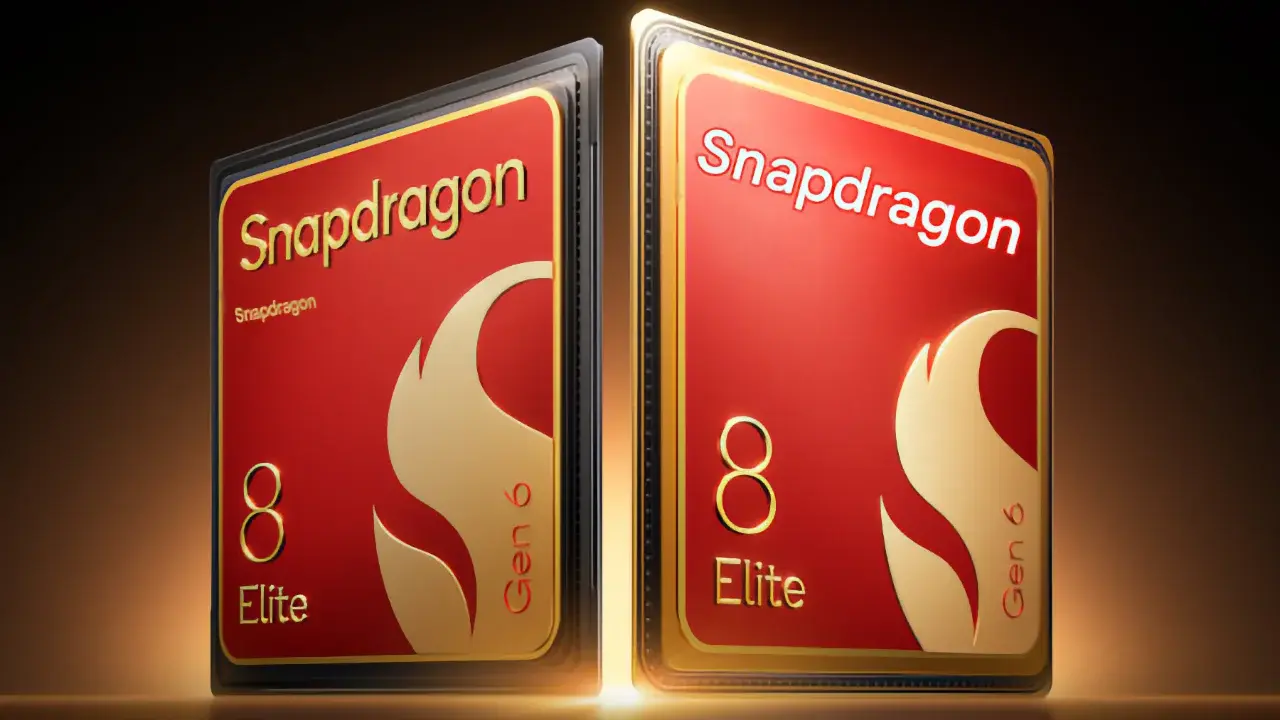
Qualcomm has officially unveiled its next-generation Snapdragon 8 Elite Gen 6 series, marking a significant leap in mobile processing technology. Built on a cutting-edge 2nm manufacturing process, this chipset family promises substantial performance gains, including a 13% increase in CPU power, 44% better graphics, and 35% faster NPU operations. Following this global announcement, major smartphone manufacturers including Xiaomi, HONOR, and OnePlus have begun confirming their upcoming flagship lineups. These devices are expected to leverage both the standard and the high-performance Extreme variant of the Snapdragon 8 Elite Gen 6 to dominate the premium Android market starting this week.
- The Snapdragon 8 Elite Gen 6 series utilizes a 2nm fabrication process to improve energy efficiency and raw computational power.
- Xiaomi leads the market adoption with the introduction of its Xiaomi 18 Pro series featuring both standard and Extreme chipset versions.
- OnePlus aims to achieve 185 FPS in mobile gaming through its specialized Wind Chaser Gaming Kernel architecture.
- Several major manufacturers including HONOR, Motorola, and iQOO have scheduled flagship launches throughout September and October.
New 2nm Architecture Enhances Performance Capabilities
The transition to a 2nm production node allows Qualcomm to strike a superior balance between thermal management and raw output. By upgrading the Oryon CPU cores, the company has significantly boosted processing overhead, while the Hexagon NPU updates ensure that on-device generative AI tasks run with unprecedented fluidity. 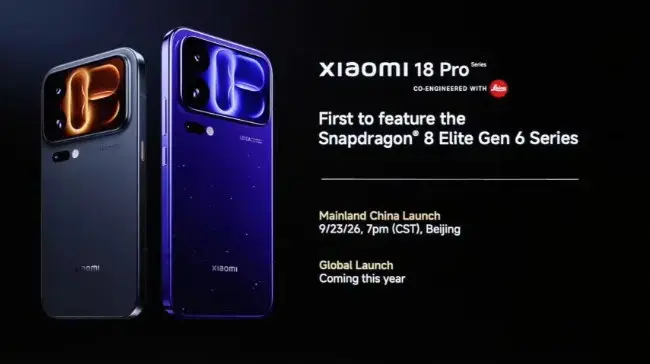 Beyond the standard platform, the introduction of the Snapdragon 8 Elite Extreme Gen 6 provides a specialized option for manufacturers aiming to push the absolute limits of mobile hardware. Most high-end flagship developers are opting for this Extreme variant to ensure their devices remain competitive in an increasingly demanding market.
Major Manufacturers Announce Their Launch Schedules
The official announcement from Qualcomm has triggered a wave of device unveilings. Xiaomi is the first to bring the technology to market with its Xiaomi 18 Pro series. While the base Pro model features the standard chipset, the Xiaomi 18 Pro Max utilizes the Extreme version to maximize performance. HONOR is also set to join the ranks on September 28th with the launch of the Magic9 Pro Max, which will be powered by the high-end Extreme platform. Meanwhile, Motorola has confirmed that its upcoming Signature 27 model will integrate this series later in the year.
Gaming Performance Reaches Higher FPS Levels
Gaming remains a primary focus for manufacturers incorporating the new Qualcomm hardware. OnePlus is positioning the OnePlus 16 as a gaming powerhouse, pairing the Snapdragon 8 Elite Extreme Gen 6 with its proprietary Wind Chaser Gaming Kernel. This integration is designed to reach a native 185 FPS, providing a desktop-like experience on a mobile device. Further details regarding this gaming-centric architecture are expected to be unveiled during a dedicated conference on September 28th. Additionally, the iQOO 16 and iQOO Pad Ultra are scheduled to debut on September 29th, with specialized gaming brands like RedMagic planning to introduce the RedMagic 12Pro+ in October.
Competitive Dynamics Shift in the Android Market
The shift to 2nm architecture is fundamentally altering the competitive landscape for Android flagships. As thermal efficiency and processing speed become more accessible, the battle between manufacturers is intensifying. Consumers can expect these hardware improvements to translate into tangible benefits, ranging from longer battery life during intensive tasks to significantly improved responsiveness in AI-driven applications. As more devices hit the shelves in the coming weeks, the industry will gain a clearer picture of how these chips perform in real-world scenarios.
We are eager to hear your thoughts on these new hardware developments. Which of the upcoming flagship smartphones are you most excited to see, and do you believe the 2nm transition will make a noticeable difference in your daily mobile experience? Let us know in the comments section below.
Your comment has been submitted,
it will be published after approval.