
Turkey and US Resume Critical F-16 Procurement Negotiations

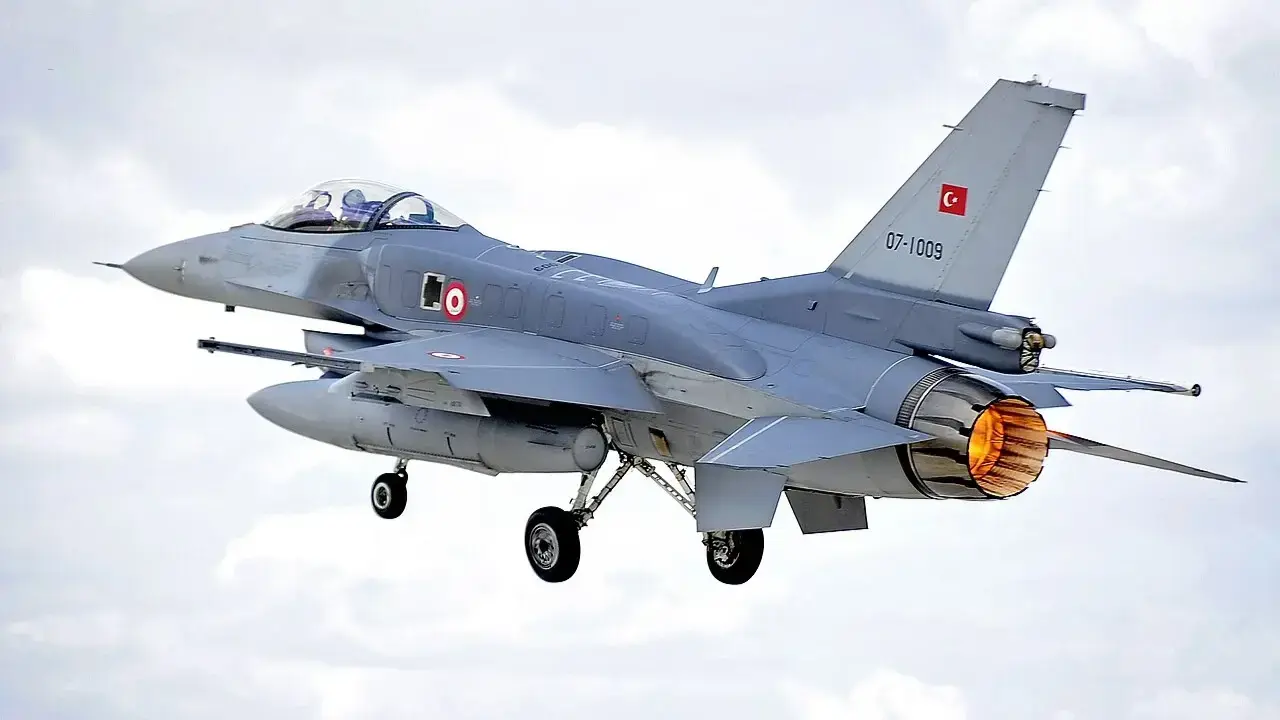
A new phase of negotiations between Turkey and the United States has officially commenced regarding the procurement and modernization of F-16 fighter jets. According to reports from Al-Monitor, these technical discussions have gained significant momentum ahead of potential high-level diplomacy between Turkish President Recep Tayyip Erdoğan and US officials during the United Nations General Assembly in New York. While neither the Turkish Ministry of National Defense nor the Pentagon has issued a formal statement, the renewed dialogue marks a crucial step in addressing the supply of 40 new F-16 Block 70 aircraft and the technical configuration of the broader defense package.
- Turkey is seeking to procure 40 new F-16 Block 70 fighter jets along with associated equipment.
- The current defense package is estimated to have a total valuation of approximately 6.5 to 7 billion dollars.
- Turkish defense authorities are prioritizing the integration of national systems like the MURAD AESA radar under the ÖZGÜR project.
- Technical teams are currently focusing on finalizing delivery schedules and defining the scope of modernizations.
Turkey Aims to Strengthen Air Force Capabilities
The primary objective of the current negotiations remains the acquisition of 40 new F-16 Block 70 units. Initially, the request from Ankara included a comprehensive package involving the modernization of existing aircraft, but the scope has since been narrowed. Turkey has reportedly opted out of receiving 79 modernization kits from the US, shifting the focus toward the new purchase and the utilization of domestic technological solutions for its current fleet.
Minister of National Defense Yaşar Güler confirmed that Turkey has already provided an initial payment of approximately 1.4 billion dollars for these new aircraft. 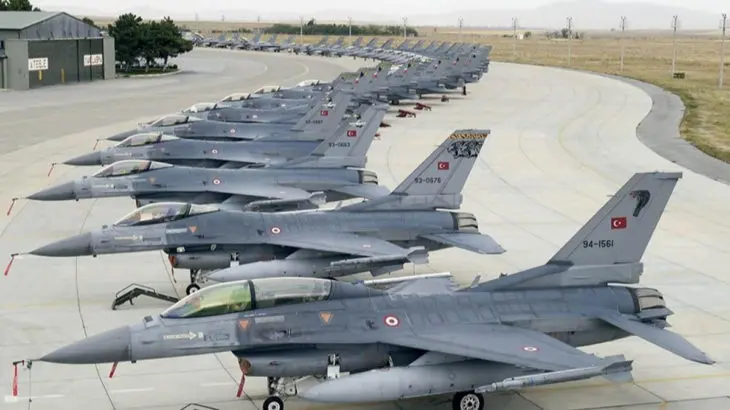 As the discussions continue, both parties are working to reconcile the total project cost, which is projected to reach between 6.5 and 7 billion dollars when accounting for weaponry and support systems.
Domestic Modernization Efforts Gain Momentum
With the shift in the modernization kit requirements, the Turkish defense industry has accelerated its focus on the ÖZGÜR project. This initiative aims to enhance the structural integrity and avionics of the existing F-16 fleet using indigenous technology. Companies such as TUSAŞ and ASELSAN are leading the integration of the MURAD AESA radar, national mission computers, and advanced display systems to ensure the fleet remains combat-capable.
Delivery Schedules Remain a Primary Concern
Despite the resumption of talks, a definitive delivery timeline for the F-16 Block 70 jets has not been finalized. Lockheed Martin has not yet disclosed specific production slots or confirmed delivery dates for the Turkish order. Consequently, the ongoing negotiations are expected to revolve heavily around technical specifications and establishing a reliable roadmap for when these advanced aircraft will enter service with the Turkish Air Force.
Diplomatic Relations Influence Defense Cooperation
The timing of these discussions coincides with broader diplomatic efforts to recalibrate the defense relationship between Ankara and Washington. Beyond the F-16 deal, topics such as Turkey’s potential return to the F-35 program and the ongoing impact of CAATSA sanctions remain relevant. While some US legislators have advocated for prioritizing the F-16 modernization to resolve outstanding disputes, no official agreement regarding these complex issues has been reached to date.
Ultimately, the modernization of the F-16 fleet, the acquisition of new platforms, and the development of the national KAAN fighter jet represent a multi-layered transition for the Turkish Air Force. As these negotiations unfold, the international community continues to monitor how these technical discussions might influence long-term security cooperation in the region.
What are your thoughts on the impact of these F-16 negotiations on regional air superiority and the future of Turkey’s defense industry? We invite you to share your perspective in the comments section below.
Your comment has been submitted,
it will be published after approval.