
Turkey Announces Significant Hike for Highway and Bridge Tolls

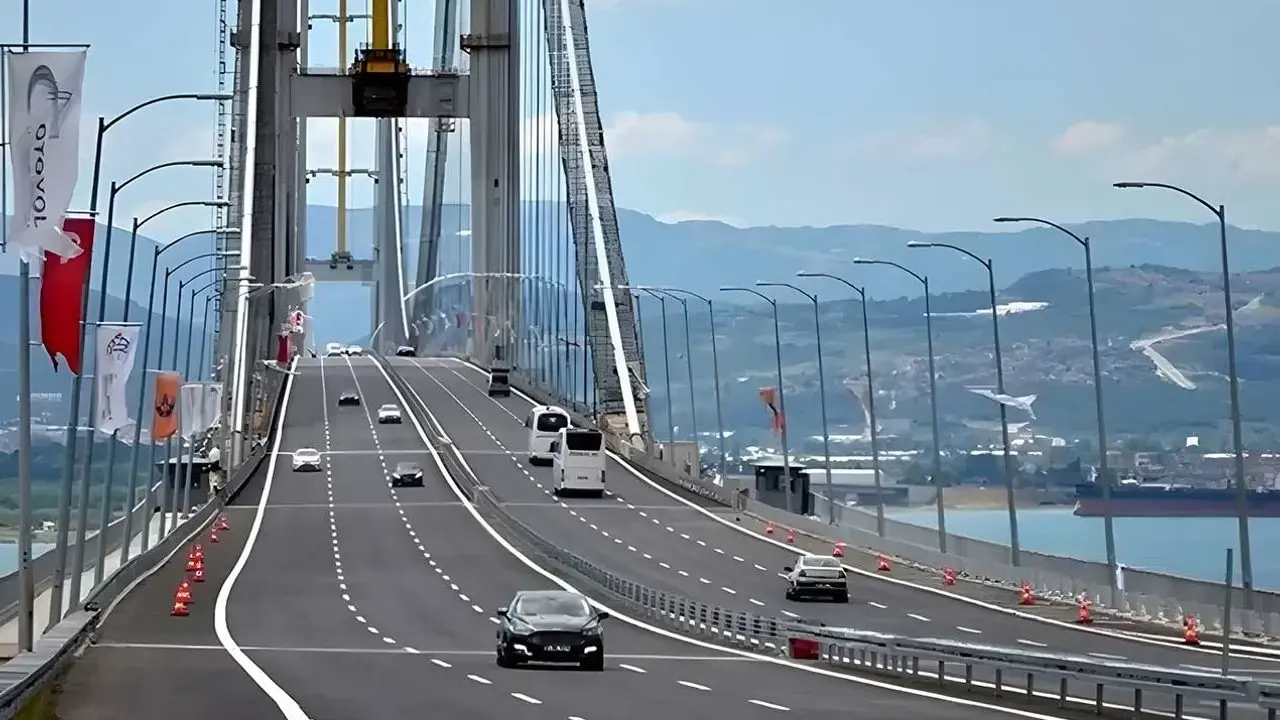
The General Directorate of Highways has officially announced a nationwide adjustment to highway and bridge toll rates, which came into effect on July 1, 2026. This comprehensive price revision, implemented under the Public-Private Partnership model, was activated across all major transit points starting at midnight on June 30. The latest increase in transportation costs impacts both individual vehicle owners and the commercial logistics sector significantly. Detailed information regarding the updated tariffs for various vehicle classes is now available for public review on the official website of the General Directorate of Highways.
- Highway and bridge toll rates were officially increased across Turkey on July 1, 2026.
- The toll for passenger cars crossing the Osmangazi and 1915 Çanakkale bridges reached 1,170 TL.
- Cumulative toll rate increases have reached 47.6 percent since the beginning of the year.
New Toll Rates Strain Household Budgets
The revised fee structure has introduced a substantial financial burden for regular commuters, particularly those relying on major arterial bridges. As part of the update, the toll for passenger vehicles crossing the Osmangazi Bridge and the 1915 Çanakkale Bridge has been set at 1,170 TL. These figures represent a significant shift in the operational costs of daily travel for citizens.
Drivers face a staggering 47.6 percent cumulative increase in transit costs since the start of the year.
Furthermore, the Yavuz Sultan Selim Bridge has seen its rates adjusted, with Class 1 vehicles now subject to a 110 TL toll. These adjustments are designed to align infrastructure maintenance and operational expenses with current economic conditions.  While authorities cite the necessity of the Public-Private Partnership model for funding, the impact on the average driver remains profound.
Transportation Costs Impact Economic Sustainability
The recent hike in highway and bridge tolls is part of a broader trend of rising transportation expenses, which include fuel prices and routine vehicle maintenance. This convergence of costs creates a difficult environment for citizens who must travel frequently between cities for employment or personal reasons. Observers in the transportation sector have begun to question the long-term sustainability of such high transit costs for the average commuter.
The rising cost of infrastructure usage threatens to reshape travel habits across the nation.
The General Directorate of Highways maintains that these revisions are essential to sustain the quality and safety of Turkey’s extensive road network. By indexing fees to economic indicators and contractual obligations, the government aims to ensure that these massive infrastructure projects remain operational under the current cooperation frameworks.
Official Channels Provide Current Tariff Data
To avoid potential delays or confusion at toll collection points, the authorities strongly advise drivers to consult the official portal, kgm.gov.tr, for the most accurate and up-to-date pricing information. Since toll rates vary considerably based on vehicle classification, checking the specific tariff before embarking on a journey is a recommended practice for effective budget management. Staying informed through official sources helps motorists navigate these changes with greater predictability.
How do you feel about these latest adjustments to highway and bridge toll rates, and will these increased expenses alter your future travel plans? Please share your thoughts and experiences with us in the comments section below.
Your comment has been submitted,
it will be published after approval.