
Turkey Sets 2027 Deadline for Historic Moon Mission

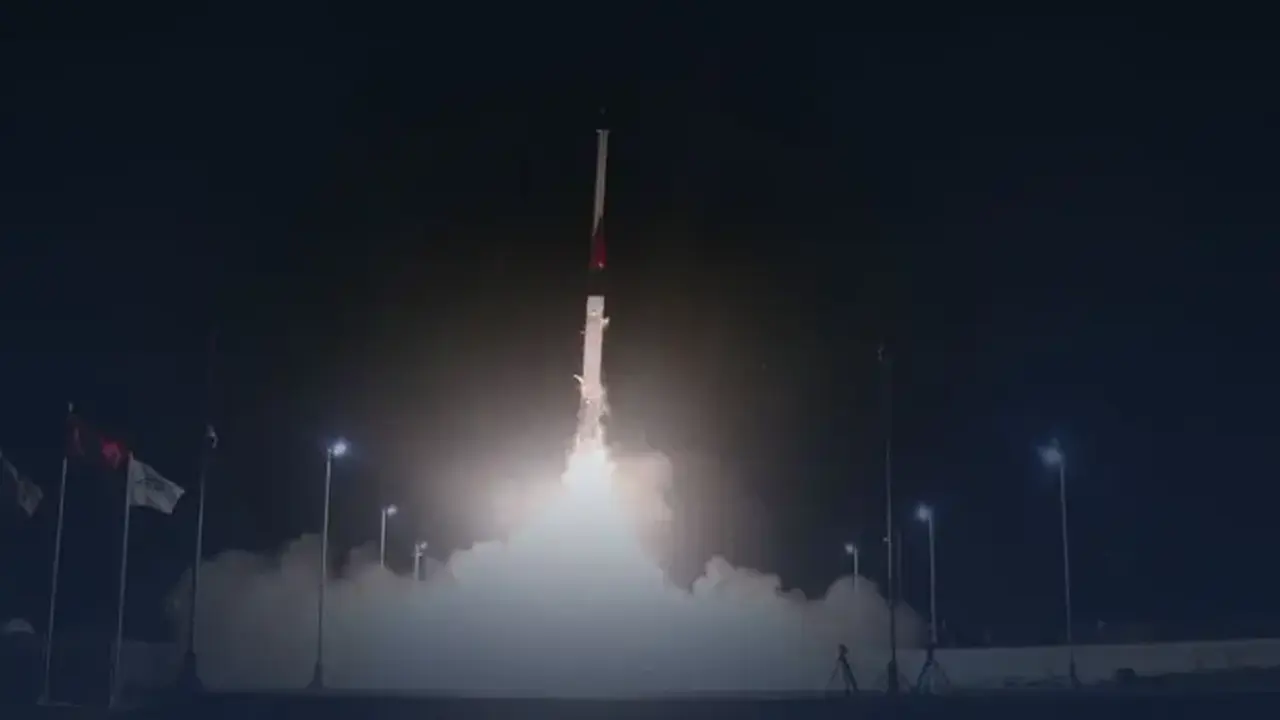
Turkey has officially set its sights on the lunar surface, as Minister of Industry and Technology Mehmet Fatih Kacır announced that the nation’s Moon mission is scheduled for launch in early 2027. This ambitious program, coordinated by the Turkish Space Agency (TUA) with the collaborative support of ROKETSAN, TÜBİTAK SAGE, and DeltaV, aims to transport a locally developed space vehicle to the Moon using a cutting-edge hybrid propulsion system. Following the successful completion of rigorous testing phases, the project represents a significant leap forward in Turkey’s strategic objective to establish a sovereign presence in deep space exploration.
- Turkey plans to launch its lunar spacecraft in the early months of 2027 using a domestic hybrid rocket engine.
- The construction of a dedicated spaceport in Somalia will facilitate Turkey’s independent access to orbital flight.
- Antalya will host the 77th International Astronautical Congress in 2026 to foster global collaboration in space technology.
This mission marks the first time a hybrid propulsion system will be utilized for a deep space exploration endeavor.
Hybrid Propulsion Systems Enhance Mission Flexibility
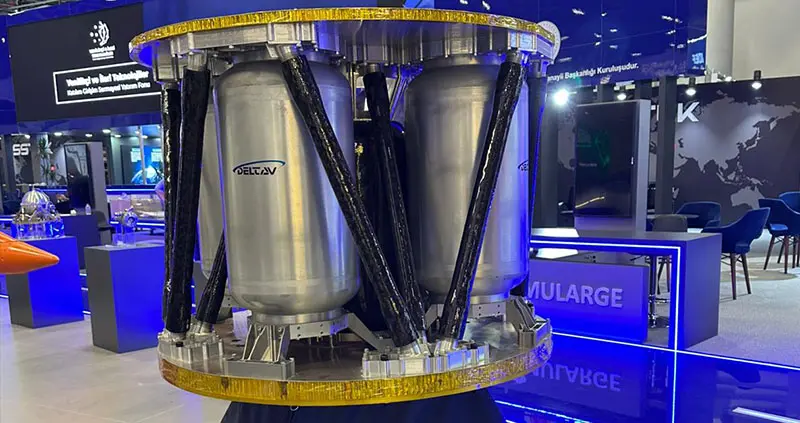
The core of Turkey’s lunar vehicle technology lies in its hybrid propulsion system, which bridges the gap between traditional solid and liquid-fueled rocket engines. While solid propellants are reliable, they lack the ability to be throttled or restarted mid-flight. Conversely, while liquid engines offer high control, their complex plumbing often creates engineering bottlenecks.
By utilizing a hybrid design, Turkish engineers can control the flow of the liquid oxidizer over the solid fuel source, allowing the spacecraft to adjust thrust levels precisely. This capability is essential for a lunar landing, where the vehicle must perform controlled, incremental decelerations. This technological choice simplifies the overall architecture while maintaining the flexibility required for landing on the Moon’s surface.
Somali Spaceport Facilitates Efficient Orbital Launches
To support its long-term space ambitions, Turkey is currently constructing a launch facility in Somalia. The selection of this geographic location is deeply rooted in the laws of orbital mechanics. Because the site sits near the equator, it benefits from the Earth’s rotational velocity, providing rockets with a significant “free” boost during liftoff toward the east.
This equatorial advantage reduces fuel requirements and allows for significantly heavier payloads to be carried into orbit.
Minister Kacır highlighted that once operational, this facility will grant Turkey the autonomy to launch its own domestically manufactured satellites and spacecraft without relying on external launch providers. This infrastructure is a critical component of Turkey’s broader roadmap toward becoming a self-sufficient spacefaring nation.
Space Ecosystem Expands Through New Research Centers
Beyond the launch site, Turkey is fostering a robust industrial ecosystem to support these advancements. A dedicated space technopark is being established within the Middle East Technical University (ODTÜ) campus. This hub is designed to bridge the gap between academic research and commercial aerospace manufacturing, creating a collaborative environment for engineers and private firms.
Furthermore, Turkey is preparing to lead the global conversation on space policy by hosting the 77th International Astronautical Congress (IAC) in Antalya from October 5–9, 2026. With over 10,000 delegates from more than 100 countries expected to attend, the event will culminate in the signing of the “Antalya Declaration,” which aims to emphasize stability, peace, and cooperation in space exploration activities for the benefit of all nations.
What are your thoughts on Turkey’s choice of hybrid engine technology for its upcoming Moon mission? Share your insights on the future of lunar exploration in the comments section below.
Your comment has been submitted,
it will be published after approval.