
Türkiye Aims to Become a Key Player in Quantum Technologies

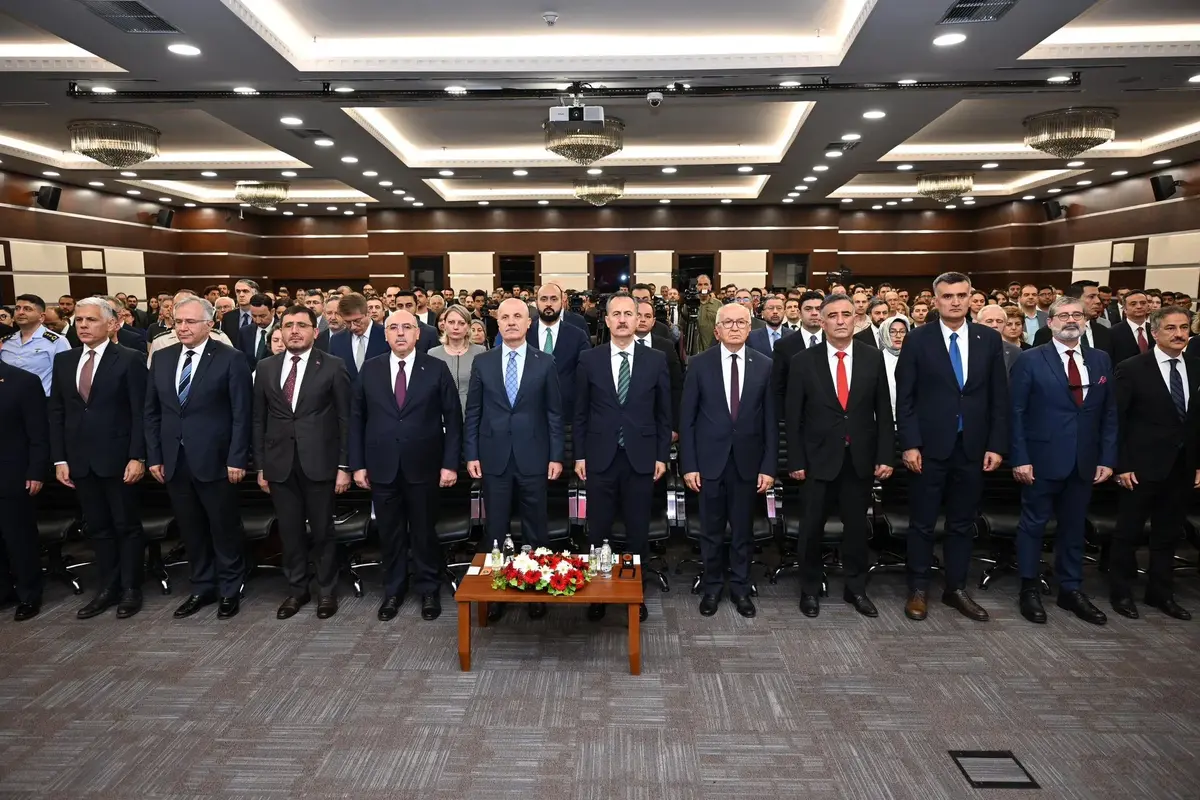
Professor Haluk Görgün, the President of the Defense Industry Agency of Türkiye, officially unveiled the nation’s new strategic roadmap for quantum technologies during a high-level meeting held in Ankara. The event, which brought together leadership from the Council of Higher Education, various university representatives, and defense sector stakeholders, focused on integrating advanced quantum capabilities into the country’s security infrastructure. By prioritizing development in fields ranging from cryptology to precision navigation, Turkish officials aim to secure a position among the global leaders that produce and govern these transformative technological advancements.
- The Defense Industry Agency launched a comprehensive roadmap to consolidate quantum research across universities and private enterprises.
- Strategic initiatives including the Quantum Technology Development Platform and the SSB Quantum Algorithm Competition aim to foster a localized ecosystem.
- Officials identified technological independence in quantum science as a critical component of national sovereignty and future security.
Türkiye views the mastery of quantum technologies as a fundamental requirement for maintaining its role as a strategic game-changer in global defense.
{{WP_IMAGE_1}}
Strategic Ecosystems Foster Collaborative Innovation
The newly announced roadmap serves as a blueprint for connecting diverse entities, including SMEs, technology parks, and academic institutions, under a unified strategic umbrella. This holistic approach is designed to mitigate the fragmentation of research efforts by centralizing resources through the Quantum Technology Development Platform and the Turkey Quantum Platform. By establishing these structural pillars, the agency intends to create a seamless pipeline that moves quantum research from theoretical exploration to practical defense applications.
Furthermore, the introduction of the Strategic Competency Development Cooperation Protocol and the SSB Quantum Algorithm Competition underscores the government’s commitment to cultivating specialized human capital. These programs are specifically tailored to attract young researchers and innovative firms to contribute to the national defense sector. By incentivizing collaboration, the government hopes to accelerate the transition from laboratory prototypes to field-ready technologies that can compete on the international stage.
Technological Independence Strengthens National Sovereignty
President Görgün emphasized that reliance on foreign technology in critical sectors poses a significant risk to national independence. He argued that the acquisition of quantum capabilities is not merely a matter of supply chain management but a vital pillar of the nation’s sovereign strength. This vision, championed by President Recep Tayyip Erdoğan, focuses on transforming Türkiye into a proactive power within the volatile global security environment.
The defense industry ecosystem is currently aligning its priorities with the needs of the next generation of warfare. By integrating quantum algorithms into existing communication and navigation systems, the state aims to build a robust defense architecture that remains resilient against sophisticated modern threats. This long-term commitment reflects a broader shift toward self-reliance in high-technology domains.

The commitment to fostering a domestic quantum workforce remains the cornerstone of the nation’s technological independence policy.
As the project moves forward, the collaboration between the defense industry and academic institutions will continue to expand. The agency has expressed its gratitude to all stakeholders involved in the initiative and remains dedicated to supporting the researchers who are building the future of the nation’s defense capacity. Through sustained investment and strategic planning, Türkiye aims to secure its technological future in the rapidly evolving quantum landscape.
How do you believe the integration of quantum technologies will influence the future of global defense systems; share your insights in the comments section below.
Your comment has been submitted,
it will be published after approval.