
Vivo X Fold 6 Challenges Upcoming Galaxy Z Fold 8 Ultra

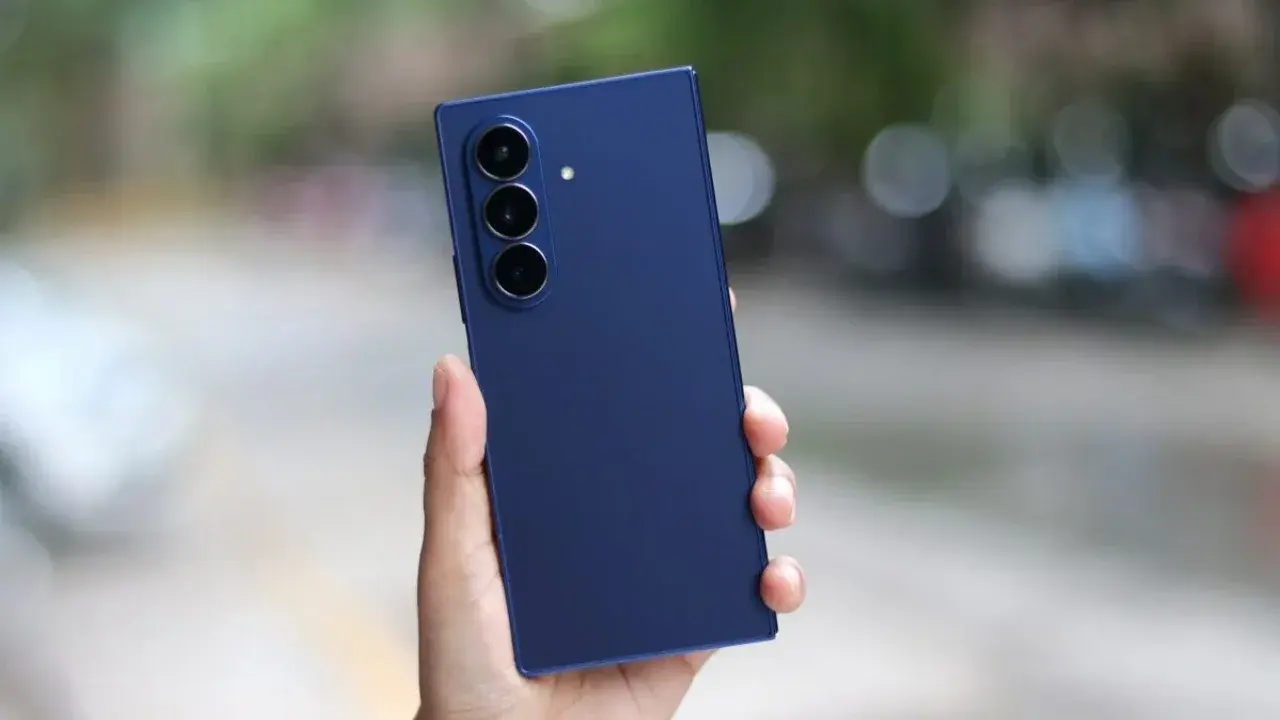
Vivo has officially introduced its latest flagship foldable, the X Fold 6, positioning itself as a formidable competitor to Samsung’s highly anticipated Galaxy Z Fold 8 Ultra. Unveiled in global markets, the new device aims to disrupt the foldable smartphone sector by integrating high-end Samsung hardware while offering distinct software experiences. As industry analysts monitor the developments, this launch underscores the intensifying rivalry between major manufacturers in the foldable segment, with both brands racing to capture market share in Asia and Europe before the next generation of Samsung devices hits the shelves.
- The Vivo X Fold 6 utilizes Samsung’s M14 OLED display technology and 200MP ISOCELL HPB camera sensors.
- The device is powered by the MediaTek Dimensity 9500 Super processor and features a 7,000mAh battery capacity.
- Samsung is expected to prioritize a thinner, lighter design and advanced software integration in the upcoming Galaxy Z Fold 8 Ultra.
The integration of Samsung-manufactured components into a direct competitor’s flagship device highlights a complex landscape of supply chain interdependence.
Vivo Incorporates Samsung Hardware into Flagship Foldable
The Vivo X Fold 6 arrives with a sophisticated display setup, featuring a 6.51-inch cover screen and an 8.02-inch primary interior panel. Both screens utilize LTPO OLED technology, supporting variable refresh rates between 1Hz and 120Hz for optimized performance. Notably, the internal screen relies on Samsung Display’s M14 OLED panels, which are recognized for their industry-leading brightness and color accuracy. 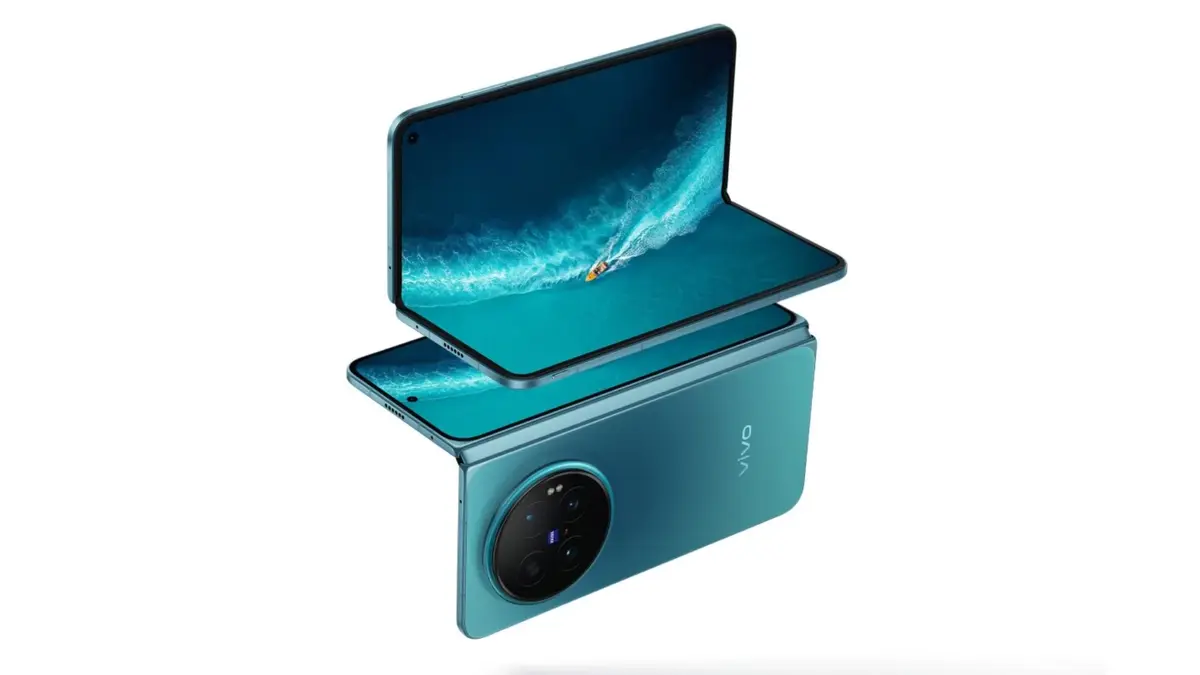
Photography enthusiasts will note the inclusion of Samsung’s 200MP ISOCELL HPB sensor as the primary camera, complemented by 50MP telephoto and 50MP ultra-wide lenses. This robust camera array ensures that the X Fold 6 maintains a competitive edge in mobile imaging. 
Under the hood, the device runs on the MediaTek Dimensity 9500 Super chipset, paired with 12GB or 16GB of RAM. The inclusion of a massive 7,000mAh battery, supported by 80W wired and 40W wireless charging, positions the phone as a long-lasting contender in the premium category.
Samsung Prepares Counter-Strategy with New Model
While Vivo focuses on hardware prowess, Samsung is expected to differentiate its Galaxy Z Fold 8 Ultra through superior industrial design and software maturity. Market expectations suggest that the upcoming Galaxy flagship will feature a noticeably thinner and lighter frame, improving ergonomics for daily use. 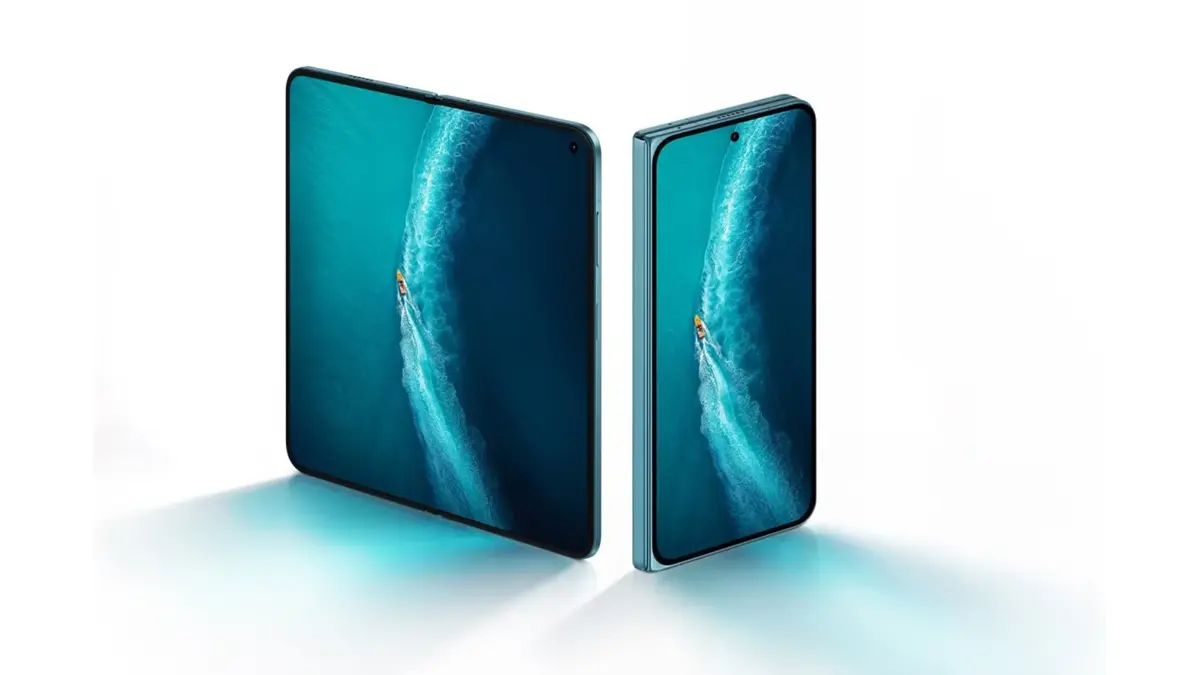
Samsung is also likely to leverage its software ecosystem, with the device launching on Android 17 and One UI 9.0. This ecosystem advantage offers features such as enhanced UWB connectivity and advanced 4K 60fps HDR video recording capabilities across all cameras. In contrast, the X Fold 6 debuts with Android 16 and the OriginOS 6 Fold interface, marking a difference in the user experience philosophy of the two manufacturers.
The battle for foldable market dominance hinges on whether consumers prioritize raw hardware specifications or the refinement of integrated software ecosystems.
We are curious to hear your take on this rivalry between hardware-heavy competitors and ecosystem-driven giants. Do you believe Samsung’s software advantages will be enough to keep the Galaxy Z Fold 8 Ultra at the top of the market, or is it time for a change in leadership? Share your thoughts in the comments section below.
Your comment has been submitted,
it will be published after approval.