
watchOS 27 Features Bring Advanced Artificial Intelligence to Apple Watch

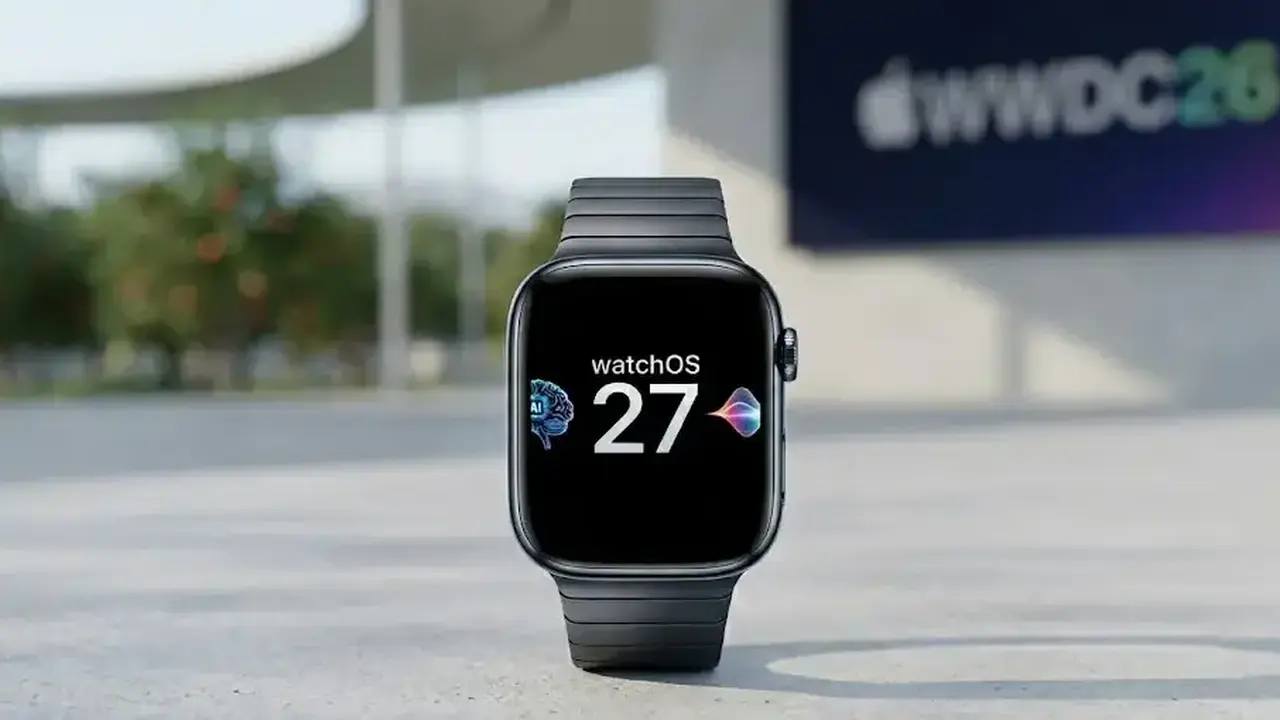
Apple has officially announced watchOS 27, the latest iteration of its wearable operating system, which introduces significant advancements in artificial intelligence to the Apple Watch ecosystem. Scheduled for a public release this fall, the update aims to redefine the user experience by transforming the device from a standard health tracker into a sophisticated, context-aware personal assistant. By leveraging enhanced machine learning capabilities, Apple intends to solidify its position in the competitive wearable technology market while deepening the integration between its various hardware platforms. This update represents a major strategic shift toward proactive, AI-driven functionality for all supported Apple Watch models.
- Apple is integrating advanced artificial intelligence into Siri to enable smarter, context-aware responses on the wrist.
- The new Smart Stack feature dynamically adjusts the watch interface based on the user’s specific location, time, and current activity.
- Improved health tracking algorithms provide more precise metrics for sleep analysis and heart rate variability.
- The update enhances cross-platform synchronization between the Apple Watch and other devices running iOS, macOS, or iPadOS.

Artificial Intelligence Becomes the Core of watchOS 27
The primary highlight of the watchOS 27 update is the deep integration of artificial intelligence across the entire user interface. Apple has overhauled Siri, allowing the digital assistant to analyze on-screen content and execute complex, multi-step commands with greater accuracy than previous versions. By understanding the user’s daily habits and preferences, the system can provide personalized activity suggestions and alternative travel routes in real-time.
The Apple Watch effectively transitions into a proactive, intelligent companion that anticipates user needs before they are explicitly stated.

Interface Designs Adapt to User Context
Beyond intelligence, the update focuses heavily on interface optimization through the evolution of the Smart Stack feature. The operating system now employs dynamic widget management, which automatically prioritizes information based on the user’s immediate environment. For instance, the watch face might display transit information during the morning commute, while shifting to fitness and recovery metrics as the day progresses toward the evening. This contextual awareness ensures that users have access to relevant data without manual intervention.
Health Metrics Reach New Levels of Precision
Health tracking remains a cornerstone of the Apple Watch experience, and watchOS 27 introduces significant refinements in this area. New, highly sensitive algorithms improve the accuracy of deep sleep analysis and pulse monitoring, providing users with more reliable data regarding their physical well-being. These advancements underscore Apple’s commitment to delivering professional-grade health monitoring through a consumer-facing device.

As the rollout approaches, the increased synergy between the Apple Watch and the broader Apple ecosystem suggests a more cohesive user experience for those embedded in the company’s hardware environment. By prioritizing seamless connectivity and intelligent automation, Apple continues to set the benchmark for high-performance wearable devices. This update is expected to provide a substantial competitive advantage when it arrives on supported devices later this year.
We are eager to hear your thoughts on these upcoming changes; please share your expectations or which specific AI feature you find most useful in the comments section below.
Your comment has been submitted,
it will be published after approval.