
WhatsApp Upgrades Two-Step Verification to Strong Alphanumeric Passwords


WhatsApp has officially announced a significant security enhancement by updating its two-step verification system, shifting from traditional six-digit numerical PINs to more robust, complex alphanumeric passwords. This strategic move, implemented globally to bolster account protection, aims to mitigate the growing threat of unauthorized access and cyberattacks. By requiring users to incorporate letters, numbers, and special characters, the messaging platform is effectively closing security gaps created by simple, predictable codes like ‘123456’. This development highlights the platform’s ongoing commitment to user privacy and aligns with modern digital security standards, including the widespread adoption of passkey technology that now secures over one billion user accounts worldwide.
- WhatsApp replaces six-digit numeric PINs with complex alphanumeric passwords to enhance user account security.
- New security protocols utilize special characters to render accounts more resistant to brute-force cyberattacks.
- Android users receive a redesigned calling interface that displays origin and group information for unknown callers.
Two-Step Verification Standards are Being Raised
The implementation of two-step verification has long served as a critical defense layer, ensuring that even if a one-time password is intercepted, the account remains secure. WhatsApp is now evolving this feature by demanding more sophisticated login credentials. By transitioning to a system that accepts a combination of letters, numbers, and symbols such as ‘@’ or ‘$’, the company is significantly increasing the difficulty for attackers attempting brute-force entry. 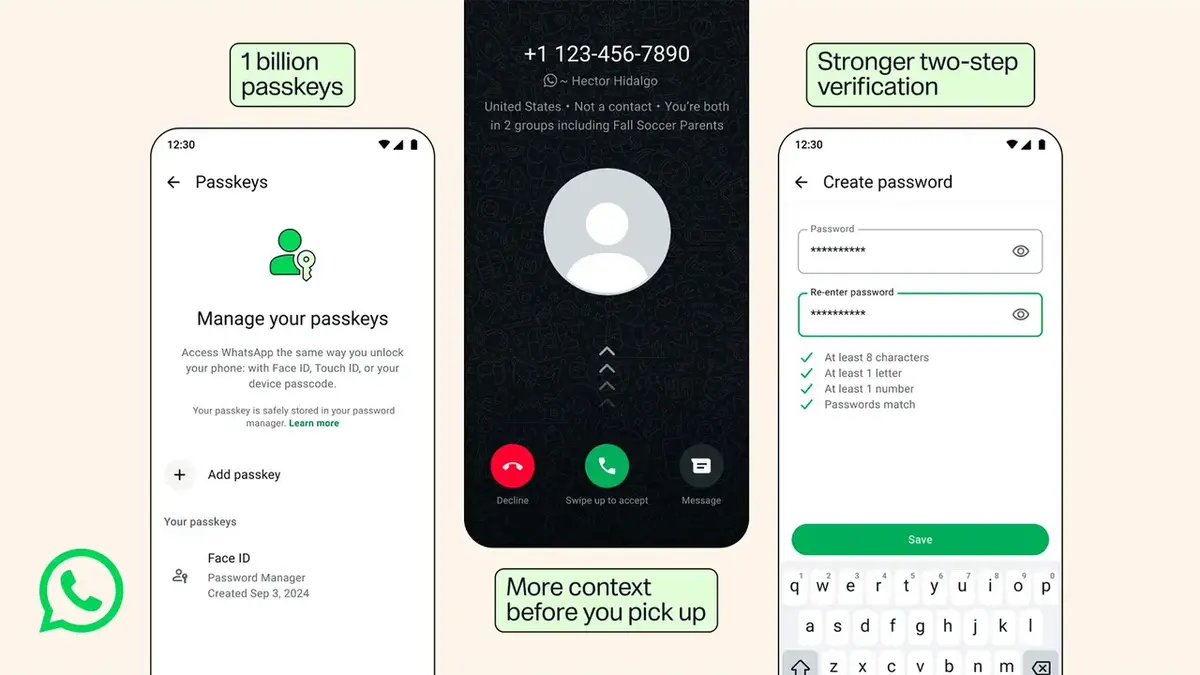
Previously, the reliance on six-digit codes often led users to select easily guessable combinations, which left their personal information vulnerable to exploitation. With this update, WhatsApp is proactively steering its user base toward better cybersecurity habits. This change is viewed as a major milestone in the platform’s mission to ensure that private conversations remain shielded from malicious third parties in an increasingly dangerous digital landscape.
Android Calling Interfaces are Being Redesigned
Beyond the improvements to verification, WhatsApp is introducing a functional upgrade for its Android platform to address the issue of spam and unwanted communication. Users receiving calls from unknown numbers will now benefit from an enhanced interface that provides greater context regarding the caller. The updated screen will display essential metadata, such as the country of origin and whether the number is present in any of the user’s shared groups.
This visual contextualization allows individuals to verify the legitimacy of a call instantly, reducing the stress associated with anonymous contact attempts. By integrating these details directly into the calling screen, WhatsApp is simplifying the decision-making process for users who need to identify potential threats before answering. These adjustments form part of a broader initiative to foster a safer and more transparent communication environment. While currently rolling out on Android, industry experts anticipate that these security-oriented features will be extended to other operating systems in the near future, further cementing the platform’s dedication to global user protection.
How do you feel about the transition to more complex passwords on WhatsApp, and do you believe these changes will effectively protect your account from modern cyber threats? We invite you to share your thoughts and security habits in the comments section below.
Your comment has been submitted,
it will be published after approval.