
Why the Galaxy S26 Ultra Screen Eliminates Screen Protectors

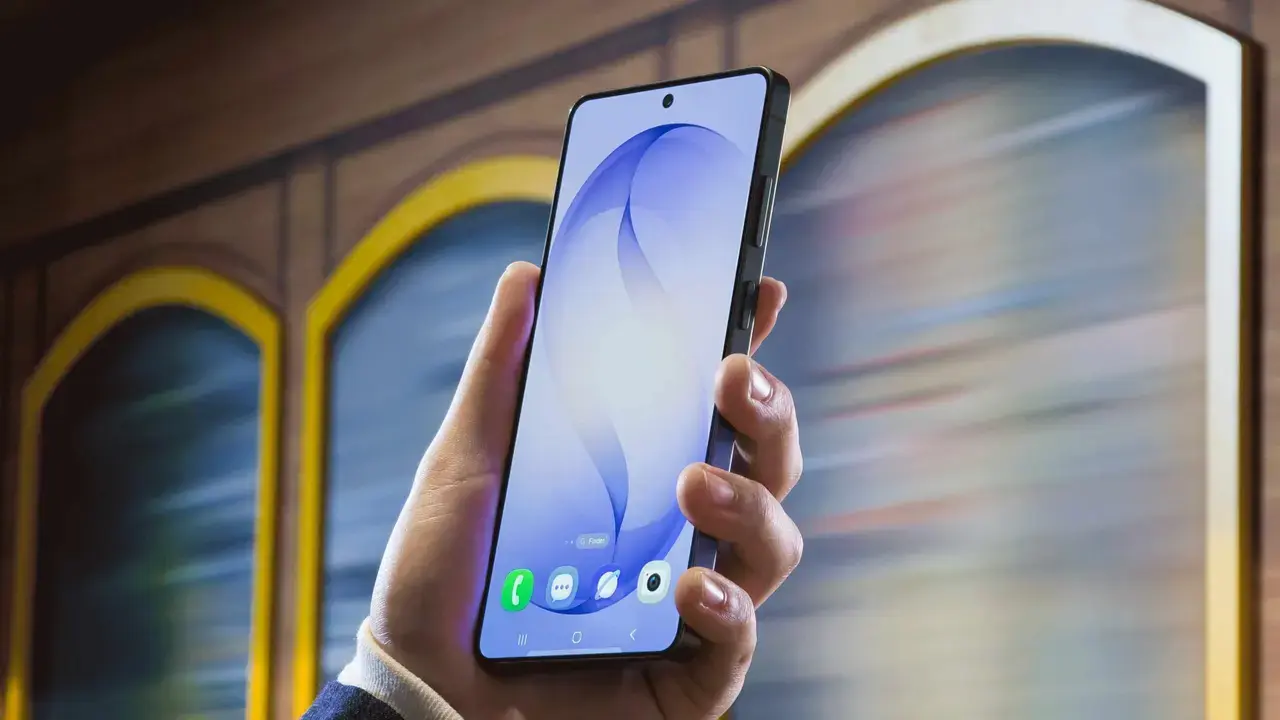
Samsung is set to redefine mobile durability standards with the launch of the Galaxy S26 Ultra, a flagship device that aims to render traditional screen protectors obsolete. By integrating cutting-edge Gorilla Armor 2 technology alongside a sophisticated anti-reflective coating and the world’s first built-in Privacy Display feature, the company has engineered a screen that is exceptionally resistant to everyday hazards. This transition marks a significant shift in smartphone design, as the Galaxy S26 Ultra provides high-level scratch and impact resistance without requiring auxiliary layers, allowing users to experience the display’s original clarity and tactile responsiveness without compromises.
- The Gorilla Armor 2 technology provides four times higher scratch resistance compared to standard glass materials.
- A specialized anti-reflective coating reduces glare under direct sunlight by approximately 75 percent.
- The integrated Privacy Display feature eliminates the necessity for physical privacy films by restricting viewing angles digitally.
Gorilla Armor 2 Enhances Display Durability
The Galaxy S26 Ultra debuts the exclusive Gorilla Armor 2 technology, developed through a strategic partnership with Corning. Unlike standard glass, this proprietary glass-ceramic composite offers enhanced protection, effectively withstanding drops from heights of up to 2.2 meters. This represents a substantial improvement over the Gorilla Glass Victus 2, which typically handles impacts from one meter. 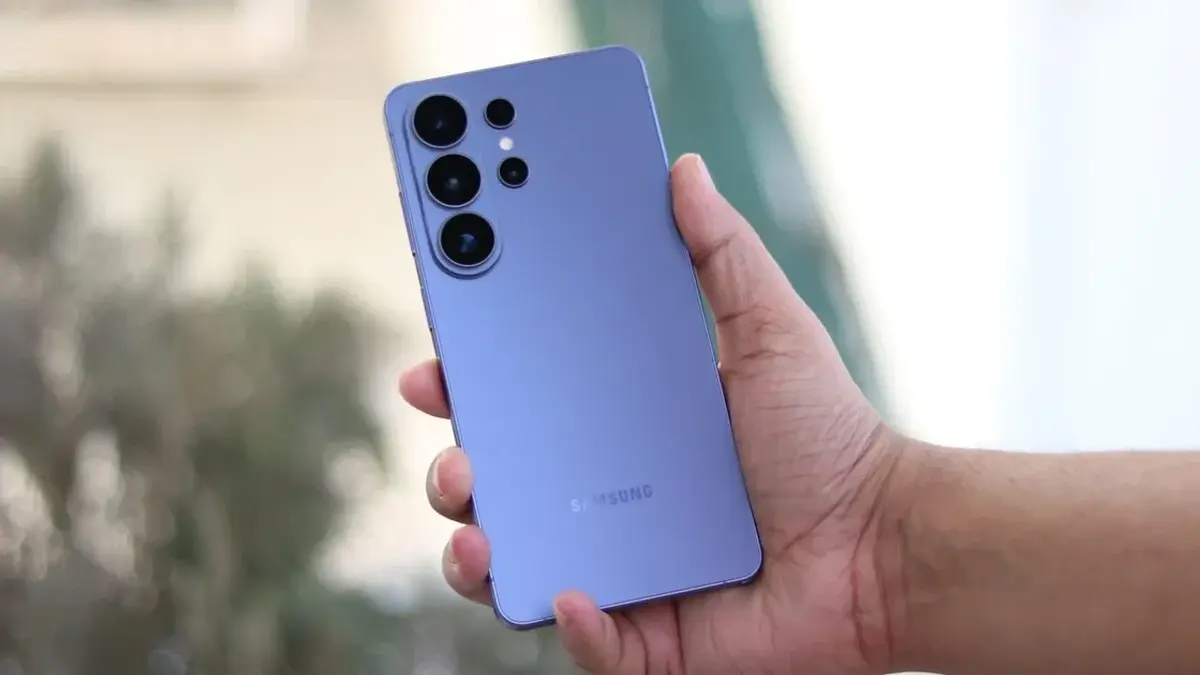
Gorilla Armor 2 preserves the pristine condition of the screen by proactively preventing the formation of micro-scratches during daily use.
Anti-Reflective Technology Improves Visual Clarity
Traditional matte screen protectors frequently introduce a haze that degrades overall screen sharpness. In contrast, the Galaxy S26 Ultra incorporates an advanced anti-reflective layer directly into the glass structure. This manufacturing choice minimizes light interference by 75 percent, ensuring that users maintain perfect visibility even in challenging outdoor environments. By removing the need for aftermarket films, Samsung restores the intended visual fidelity of its high-resolution panels.
Privacy Display Technology Increases Security
External privacy filters often compromise display brightness and introduce undesirable moiré patterns. Samsung addresses these limitations by introducing a software-driven Privacy Display feature that users can activate manually or set to trigger automatically. By narrowing the effective viewing angle, the technology ensures that sensitive information remains visible only to the person positioned directly in front of the device, effectively replacing the need for bulky physical privacy accessories.
Screen Protection Becomes a Personal Choice
The sophisticated hardware integrated into the Galaxy S26 Ultra effectively transitions screen protection from a necessity to a matter of personal preference. While the device is built to survive without additional layers, Samsung continues to offer specialized, compatible films for users who desire an extra margin of safety. Unlike generic third-party alternatives, these official accessories are engineered to maintain the device’s original touch sensitivity and optical performance. The industry is currently observing whether these advancements will permanently alter consumer habits regarding smartphone maintenance.
Do you believe these advanced display technologies will lead to the permanent end of screen protectors, or do you still prefer the extra layer of security for your device? Please share your thoughts with us in the comments section below.
Your comment has been submitted,
it will be published after approval.