
Apple Continues iPhone Air 2 Development as Samsung Withdraws

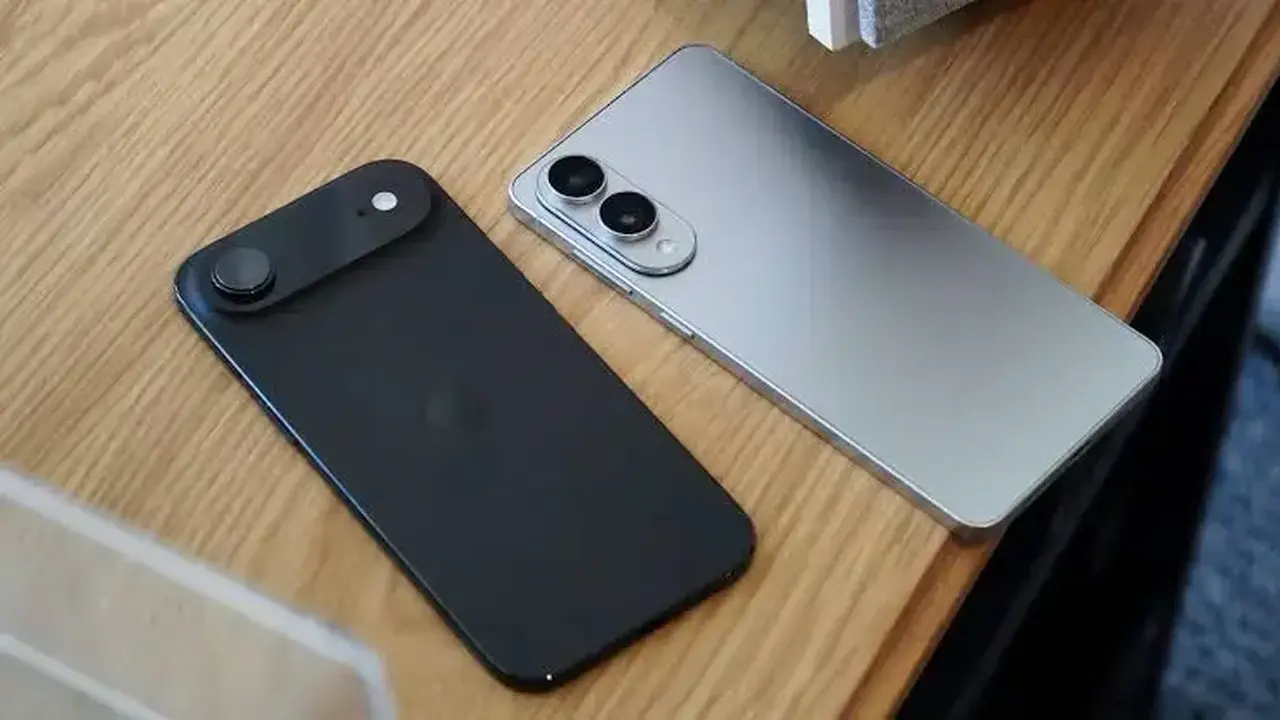
A significant strategic shift is unfolding within the premium smartphone sector as Apple prepares for the development of the iPhone Air 2, while Samsung has officially abandoned its plans for a similar ultra-thin flagship device. Following the tepid market performance of first-generation ultra-thin smartphones, which were hampered by battery constraints and limited camera capabilities, the two tech giants have chosen diverging paths. While Samsung has opted to prioritize its traditional flagship lineup to mitigate risks, Apple is doubling down on its commitment to the ultra-thin form factor, aiming to rectify previous hardware shortcomings in a successor expected to arrive in the spring of 2027.
- Samsung has officially cancelled its ultra-thin smartphone project following disappointing sales figures for its initial model.
- Apple is actively developing the iPhone Air 2 to address hardware limitations found in previous thin-profile devices.
- The upcoming iPhone Air 2 is expected to feature a dual-camera system and improved battery efficiency powered by the A20 chip.
Apple remains committed to the ultra-thin smartphone market despite initial industry failures.
Samsung Chooses Traditional Models While Apple Increases Investment
Supply chain reports indicate that Samsung has shifted its focus away from ultra-thin experimental hardware. The company concluded that the consumer trade-offs regarding battery capacity and performance were too high to justify further investment in this specific niche. Consequently, the South Korean manufacturer is pivoting back to its established flagship series, where it plans to leverage more conventional, high-performance features.
Conversely, Apple maintains a strong belief in the future of sleek, high-end mobile technology. Industry analysts note that Cupertino is aggressively pursuing a refined design philosophy that does not sacrifice the core functionality users expect from a premium device. This divergence highlights a broader debate in the tech industry regarding whether consumers prioritize absolute portability or traditional hardware robustness.
{{WP_IMAGE_1}}
iPhone Air 2 Features Are Designed to Resolve Hardware Constraints
The upcoming iPhone Air 2 aims to solve the primary complaints that plagued its predecessor. According to industry intelligence shared via Bloomberg, the device will move beyond the single-camera configuration of the previous generation. It is slated to feature a dual-camera setup, incorporating a high-resolution ultra-wide lens to complement the primary sensor. This improvement is essential for maintaining the competitive edge Apple holds in mobile photography.
The integration of the A20 processor is expected to drastically improve energy efficiency and battery life.
Technical enhancements are also expected in the internal architecture of the device. The iPhone Air 2 will be powered by the new A20 processor series, which is being optimized specifically for the unique thermal and power constraints of a thinner frame. By pairing this advanced silicon with new battery chemistry and improved power management software, Apple hopes to deliver a device that offers both elegance and longevity. As the market looks toward 2027, it becomes clear that Apple is willing to invest heavily in design innovation to redefine the standard for flagship smartphones.
Do you believe the future of smartphones lies in ultra-thin designs, or is battery life the only feature that truly matters to you? Share your thoughts in the comments section below.
Your comment has been submitted,
it will be published after approval.